Rift in Saudi Arabia: the “state clubs” dominate while the rest struggle to survive
- August 31, 2024
- 0
The dominance of PIF-backed clubs is creating inequality in Saudi Arabia's football league, leaving other teams in sporting and financial crisis.

The dominance of PIF-backed clubs is creating inequality in Saudi Arabia's football league, leaving other teams in sporting and financial crisis.
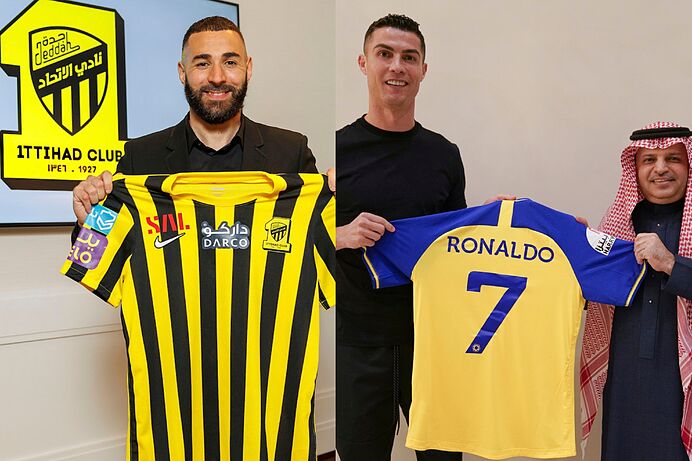
Football in Saudi Arabia is facing a deep divide. While clubs backed by the PIF sovereign fund expand their rosters with international stars and promising young talent, the rest of the teams face unprecedented sporting and financial crises.
Al Nassr, Al Hilal, Al Ahli, and Al Itthad, along with Al Ettifaq —indirectly supported by the league— continue to strengthen their squads with multimillion-dollar investments. For instance, Al Ittihad closed the transfer window by signing Moussa Diaby from Aston Villa for €60 million.
In contrast, clubs like Al Wehda have only 14 players ready for the season, highlighting the growing gap between the “rich” and “poor” teams.
The disparity is not only seen in player quality but also in the bureaucracy of the Center for Football Excellence Acquisitions. While PIF clubs enjoy free rein to acquire top international talent, others face significant obstacles that limit their competitiveness.
Last summer, Saudi Arabia made headlines in European football with a €1.5 billion investment in top-tier signings. Cristiano Ronaldo, Laporte, Mané, and Telles joined Al Nassr; Neymar, Malcom, Rubén Neves, and Bono signed for Al Hilal; Benzema, Kanté, and Fabinho went to Al Ittihad; and Mahrez, Firmino, Gabri Veiga, and Kessie arrived at Al Ahli.
These elite players raise the level of PIF-backed clubs, leaving the rest with few competitive tools.
Only Al Qadsiah, supported by Aramco, manages to compete through strategic signings like Aubameyang, Nacho, and young prospect Equi Fernández. Other clubs, such as Al Shabab and Al Fateh, rely on standout players like Yannick Carrasco and Denayer.
The situation has sparked criticism among fans, who argue that the league’s fund distribution lacks professionalism and transparency.
While some clubs enjoy abundance, the rest struggle to maintain competitiveness and relevance in Saudi Arabia’s football league, highlighting a rift that could reshape the league’s future.