ChatGPT and OpenAI’s historic leap: record funding round values company at $157 billion
- October 3, 2024
- 0
OpenAI, creator of Chat GPT, closed its largest funding round yet, amid mounting losses and leadership turmoil at the top.

OpenAI, creator of Chat GPT, closed its largest funding round yet, amid mounting losses and leadership turmoil at the top.
On Wednesday, OpenAI, the company behind ChatGPT, announced it had closed a record-breaking funding round that raised $6.6 billion, boosting its valuation to $157 billion.
This marks the largest capital injection in the history of generative artificial intelligence, positioning the company among the world’s top three privately held start-ups, alongside SpaceX and ByteDance.
Despite this financial milestone, not all news is positive. Still, the company projects revenues of $2.7 billion from Chat GPT Plus subscriptions — soon to rise from $20 to $22 per month — and an additional $1 billion from licensing its language models to third-party apps and services.
“Every week, more than 250 million people around the world use ChatGPT to improve their work, creativity, and education,” the company noted in a statement, underlining the platform’s global influence.
Investor interest in the deal had been widely reported in U.S. media. Microsoft, already a $13 billion backer of the start-up, remains its key strategic partner, while Nvidia also emerged among the likely participants. Apple, however, stepped away from negotiations despite integrating OpenAI’s models into its new AI system.
Since its launch in late 2022, Chat GPT has ignited a global boom in generative AI, pushing tech giants like Google, Meta, and Amazon to accelerate their own competing initiatives. This fierce race has made the sector one of the most dynamic and contested in the global tech landscape.
Yet, OpenAI’s rise has been accompanied by internal strains. Just last week, Mira Murati, one of Chat GPT’s creators, resigned as CTO after six and a half years with the company.
Her departure follows other high-profile exits, including Greg Brockman, John Schulman, Peter Deng, and cofounder Ilya Sutskever, who launched his own AI company in June.
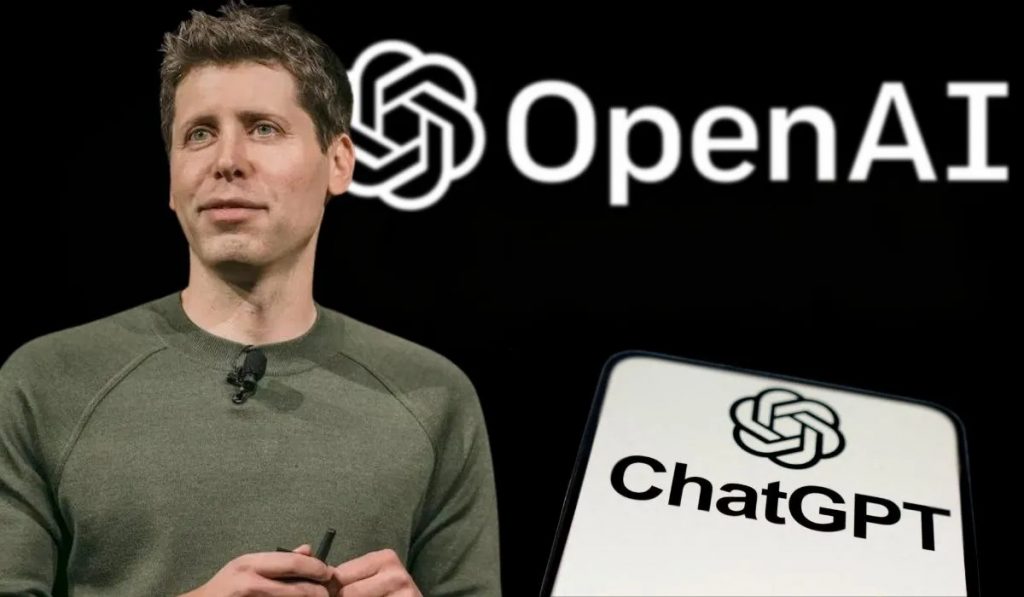
These resignations are linked to CEO Sam Altman’s strategy of steering OpenAI toward a profit-driven model, diverging from the nonprofit mission envisioned when the organization was founded in 2015.
This conflict had already triggered Altman’s brief ousting in November 2023 and continues to fuel criticism from Elon Musk, another cofounder who left in 2018.
With only three of the original eleven founders still involved, OpenAI’s future lies at the crossroads of unprecedented economic growth and the challenge of sustaining ethical legitimacy in AI development.