Israel Bans UN Agency for Palestinian Refugees
- October 29, 2024
- 0
The Israel Parliament bars UNRWA from operating in its territory, including East Jerusalem, sparking international criticism and concern.

The Israel Parliament bars UNRWA from operating in its territory, including East Jerusalem, sparking international criticism and concern.
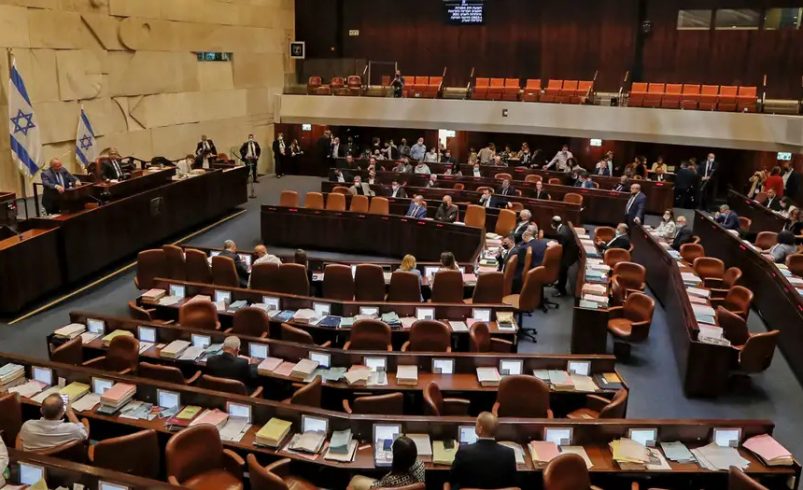
The Parliament of Israel, the Knesset, passed a controversial law on Monday, October 28, 2024, prohibiting the United Nations Relief and Works Agency (UNRWA) from operating anywhere in Israel, including East Jerusalem, which was unilaterally annexed by Israel in 1967.
The vote concluded with 92 in favor and 10 against, cementing the legislation after its initial approval in July.
Under the new law, UNRWA is barred from any representation, service provision, or activities—direct or indirect—within sovereign Israeli territory. This severely limits the agency’s ability to coordinate humanitarian efforts, particularly in Gaza and the West Bank, where access depends on permits and coordination with Israel.
Refugee camps in East Jerusalem, such as Shuafat, will also be directly affected, threatening access to essential services like education and healthcare.
During the parliamentary debate, Ahmad Tibi of the Arab party Hadash-Taal called the measure “fascist,” sparking heated exchanges among legislators. The bill gained broad support from opposition and centrist parties, reflecting a wide consensus on the issue. A second related bill under discussion aims to revoke UNRWA’s tax and immunity status and potentially designate it as a “terrorist organization” due to alleged links with Hamas.
UNRWA condemned the legislation as “outrageous,” warning it could worsen the humanitarian crisis in Gaza, where the agency remains the primary provider of aid after more than a year of conflict between Israel and Hamas.
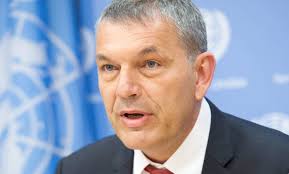
Philippe Lazzarini, head of UNRWA, called the move on X (Twitter) a “dangerous precedent” and part of an ongoing campaign to discredit the organization.
The law has drawn international concern. Even the United States, a traditional ally of Israel, expressed “deep concern” about the potential impact on Palestinian refugees and regional stability. Critics argue the measure highlights the tension between national policies and the obligations of states toward international humanitarian organizations operating in conflict zones.
This decision represents a new chapter in the complex relationship between Israel and UNRWA, further complicating the delivery of humanitarian aid to Palestinian populations.
It is expected to intensify tensions in East Jerusalem and create additional logistical challenges for UNRWA’s operations in Gaza and the West Bank, while raising broader questions about the responsibilities of governments and international agencies in ensuring humanitarian access during ongoing conflicts.