Singapore regulates cohabitation with cats in public housing after decades of ban
- November 13, 2024
- 0
After 35 years of prohibition, Singapore now allows cats in public homes, though the new rules raise questions about implementation.

After 35 years of prohibition, Singapore now allows cats in public homes, though the new rules raise questions about implementation.
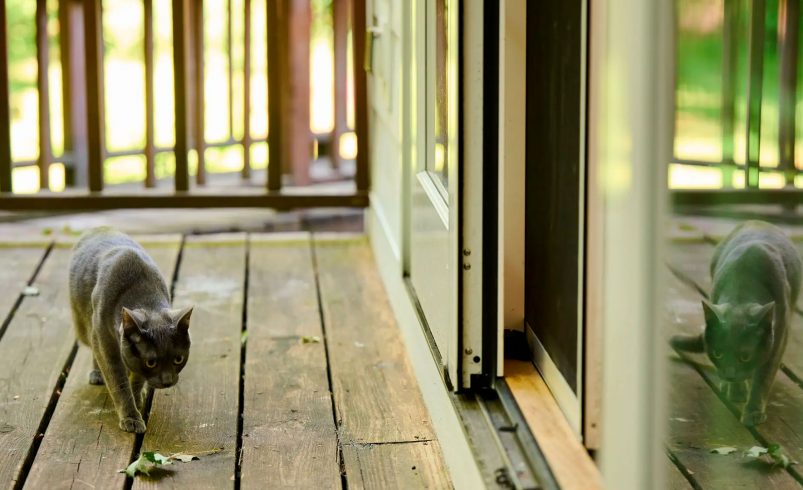
For decades, cats were considered illegal in public housing in Singapore, forcing owners to hide their pets to avoid penalties. This changed this year when the government lifted the 35-year-old ban, marking a turning point in the relationship between citizens and felines.
Despite this historic move, the new regulations have created confusion among cat owners, as they are not fully clear and leave several questions unanswered.
Each household in public housing may have up to two cats, provided certain requirements are met: completing a free online course on pet care, ensuring the felines have a microchip, and registering them properly.
However, multiple issues remain. For instance, what happens if two people move in together and collectively exceed the two-cat limit? There are also concerns about abandoned cats still registered under former owners’ names. Additionally, there is fear of potential animal abuse, either by owners or neighbors opposed to having cats nearby.
“The new rules do not require owners to secure their apartments for the cats as a condition for the license, raising concerns about accidents in high-rise public housing,” the article notes. Animal rights advocates also question how the government will effectively enforce these rules.
The original ban, introduced in the 1960s, aimed to maintain hygiene and order in public housing managed by the Housing & Development Board (HDB), during a period of housing crisis and overcrowding. Cats were considered difficult to control, with their fur, waste, and meowing posing potential disturbances to neighbors.
Today, more than 80% of Singapore’s population, over 4.6 million people, live in HDB flats. Prior to the legal change, violating the ban could result in fines of up to SGD 4,000 (approximately USD 2,970).

The new regulation seeks to integrate cats into public life and recognize the emotional bond between people and their pets. However, adaptation will be complex, requiring education, monitoring, and possibly legal adjustments as unforeseen situations arise.
Singapore’s experience highlights the challenge of balancing urban living, animal protection, and citizens’ needs. As cats legally enter public housing, authorities and owners must find a balance that ensures harmony, safety, and well-being for all.