Germany: Early Elections Put Merz in the Spotlight
- February 24, 2025
- 0
Merz, likely next chancellor, says Europe must strengthen itself and reduce dependence on United States influence after conservative victory.
Merz, likely next chancellor, says Europe must strengthen itself and reduce dependence on United States influence after conservative victory.

Friedrich Merz, a traditional conservative and probable next chancellor of Germany, declared on Sunday that Europe needs to move toward independence from the United States following the Union Christian Democratic Party (CDU)’s victory in the national elections.
The vote also showed rising support for the far-right, with the ultranationalist Alternative for Germany (AfD) securing a striking 20.8% of the vote.
At 69 years old and with no prior government experience, Merz will now lead Europe’s largest economy and most populous state. His party, together with allied CDU members, captured 28.6% of the votes, according to preliminary results. Upon announcing the win, Merz told supporters, “Let the party begin,” signaling his intent to quickly start coalition negotiations.
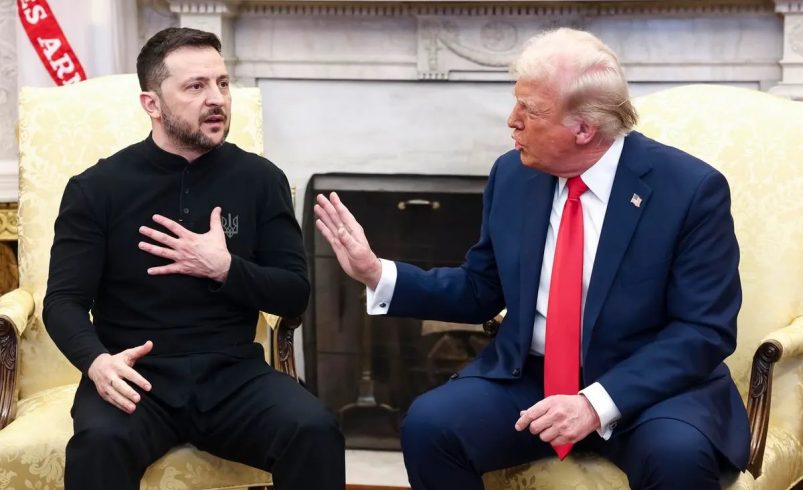
During a televised roundtable, Merz criticized perceived United States interference in the German election.
“The interventions from Washington were no less dramatic or shocking than those from Moscow,” he said, adding that his priority would be “to create unity in Europe and gradually strengthen it to achieve true independence from the United States.”
Merz emphasized, “I never thought I’d have to say something like this on TV. But after Donald Trump’s statements last week, it’s clear that some Americans are largely indifferent to Europe’s future.” His remarks reflect growing concern in Germany over United States influence in key European strategic matters.
The domestic political landscape also shifted dramatically. The Social Democratic Party (SPD), led by Chancellor Olaf Scholz, fell to 16.4% after the collapse of the “traffic light” coalition.
Meanwhile, AfD consolidated its position as the second-largest party, though other parties plan to exclude it from government through a political “firewall.”
The CDU’s victory and AfD’s rise highlight the increasing importance of immigration, the economy, and geopolitical tensions, including the United States’ policies toward Europe. Trump’s perceived interference, particularly after promoting peace talks on Ukraine without involving Kyiv or European leaders, intensified the debate over European autonomy.
Merz now faces the complex task of forming a government and defining Germany’s foreign strategy. Strengthening Europe and reducing dependence on the United States will be central to his agenda, as he navigates a global context shaped by populism, far-right movements, and the need for continental unity in the face of geopolitical challenges.
In this new political chapter, Germany, under Merz, aims to assert itself as an independent actor in Europe, balancing domestic leadership with a strategic role on a continent increasingly challenged by United States influence and international tensions.