IMF and Argentina strike $20 billion deal
- April 12, 2025
- 0
Argentina and the IMF sealed a technical agreement worth $20 billion, a key step to stabilize the economy and regain access to international markets.

Argentina and the IMF sealed a technical agreement worth $20 billion, a key step to stabilize the economy and regain access to international markets.
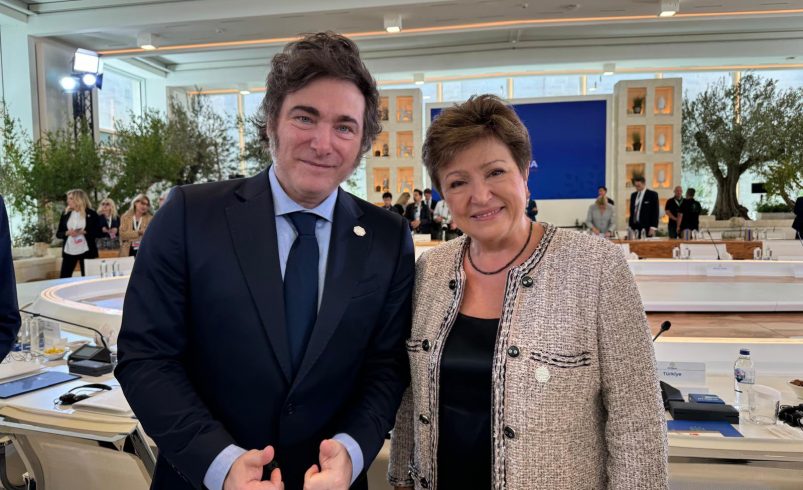
The International Monetary Fund (IMF) and Argentina authorities reached a technical understanding that marks a significant milestone in the government’s economic stabilization strategy.
The 48-month program, under the Extended Fund Facility (EFF), includes $20 billion in financial support and has already been approved by the IMF’s Executive Board.
President Javier Milei had previously pledged to secure such a deal by April as part of his plan to strengthen public finances and restore international credibility.
According to the IMF’s statement, “the agreement is based on the authorities’ impressive initial progress in stabilizing the economy, supported by a strong fiscal anchor that is driving rapid disinflation and a recovery in activity and social indicators.”
The IMF emphasized that the program aims to consolidate macroeconomic stability, strengthen external sustainability, and foster stronger, more sustainable growth in a challenging global environment.
The first program review is scheduled for June 2025, tied to an additional disbursement of $2 billion. Argentina will receive an immediate $12 billion tranche.
Economy Minister Luis Caputo and Central Bank President Santiago Bausili explained that the funds will be used both to reinforce the Central Bank’s balance sheet and to meet upcoming debt payments to the IMF, which currently total $41.36 billion.
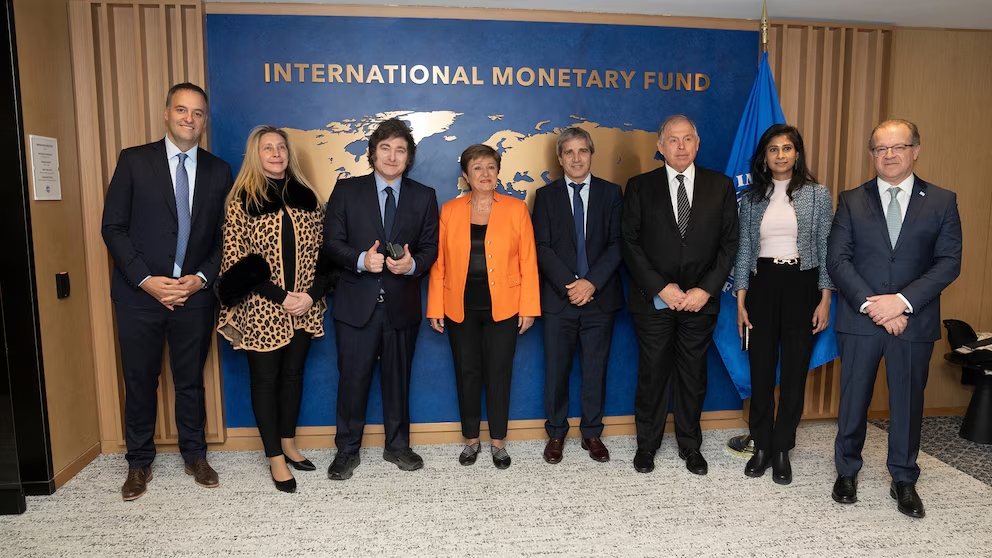
Bausili also announced changes to foreign exchange rules for imports. The current 30-day waiting period for paying for final goods and services has been scrapped, allowing small and medium-sized companies to access dollars as soon as shipments leave their port of origin.
For capital goods, importers will be able to pay 20% upfront, 50% upon shipment, and the remaining 30% when the goods are registered in Argentina.
The Central Bank will maintain its policy of halting monetary expansion, ruling out deficit financing. Officials confirmed that a new monetary regime will soon be implemented, removing the cap on Broad Monetary Base growth.
Under this system, the Bank will intervene only if the exchange rate moves beyond the established floating bands.
With this agreement, the Milei administration is betting on sending a strong signal of fiscal and monetary discipline—essential to rebuild market confidence and pave the way for fresh bilateral and multilateral financing.