Pope Francis Dies at 88 in the Vatican
- April 21, 2025
- 0
Pope Francis passed away following a stroke and cardiovascular collapse. The Vatican has begun the mourning period and is preparing the conclave.

Pope Francis passed away following a stroke and cardiovascular collapse. The Vatican has begun the mourning period and is preparing the conclave.
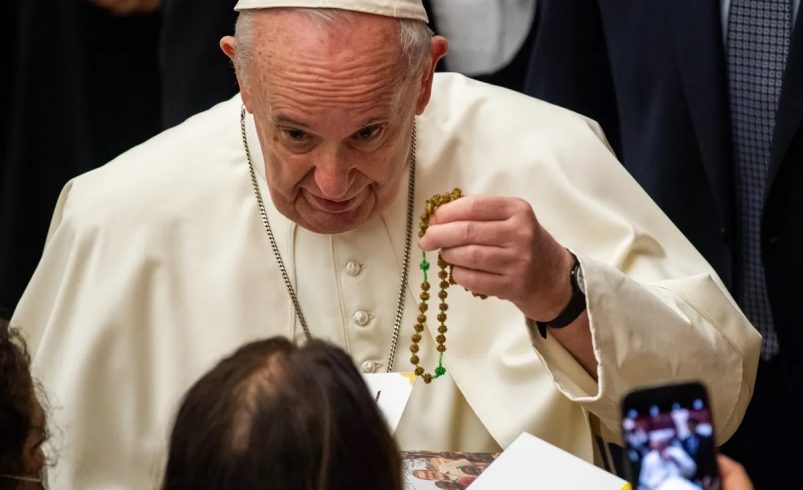
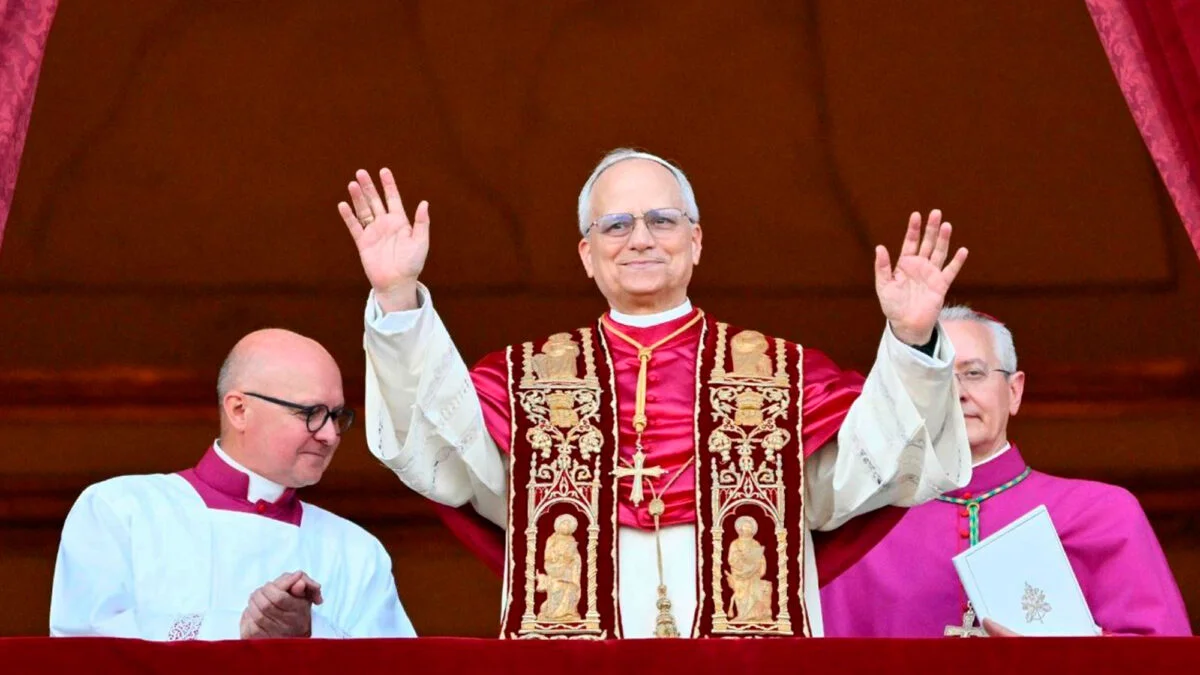
Pope Francis Dies at 88 in the Vatican “Let us renew our hope and trust in one another, even in those who are different from us or come from distant lands, bringing unknown customs, ways of life, and ideas. For we are all children of God.” These were the last words of Pope Francis during his Easter Sunday appearance, read by a cleric from the balcony of St. Peter’s Basilica as he observed.
Less than 24 hours later, the Vatican announced his death in Rome at age 88.
“At 7:35 this morning (local time), the Bishop of Rome, Francis, returned to the Father’s house. He dedicated his entire life to serving the Lord and His Church,” stated the papal chamberlain, Irish-American Cardinal Kevin Farrell, in a video message.
Farrell will oversee the transition to a new pope. “He taught us to live the values of the Gospel with faithfulness, courage, and universal love, especially for the poor and marginalized. With immense gratitude for his example as a true disciple of the Lord Jesus, we entrust the soul of Pope Francis to the infinite merciful love of the Triune God.”
On Monday afternoon, the Vatican reported that Pope Francis died from a stroke and irreversible cardiovascular collapse.
Born in Argentina as Jorge Mario Bergoglio, he was elected head of the Catholic Church in March 2013 following Benedict XVI’s resignation, becoming the first Latin American pope in history. His death follows a period of declining health that kept him hospitalized for five weeks due to pneumonia.
Despite his illness, Francis continued to make occasional public appearances. He missed Good Friday and Holy Saturday services but commemorated Holy Thursday with the traditional visit to Regina Coeli prison, although he did not perform the foot-washing ceremony.
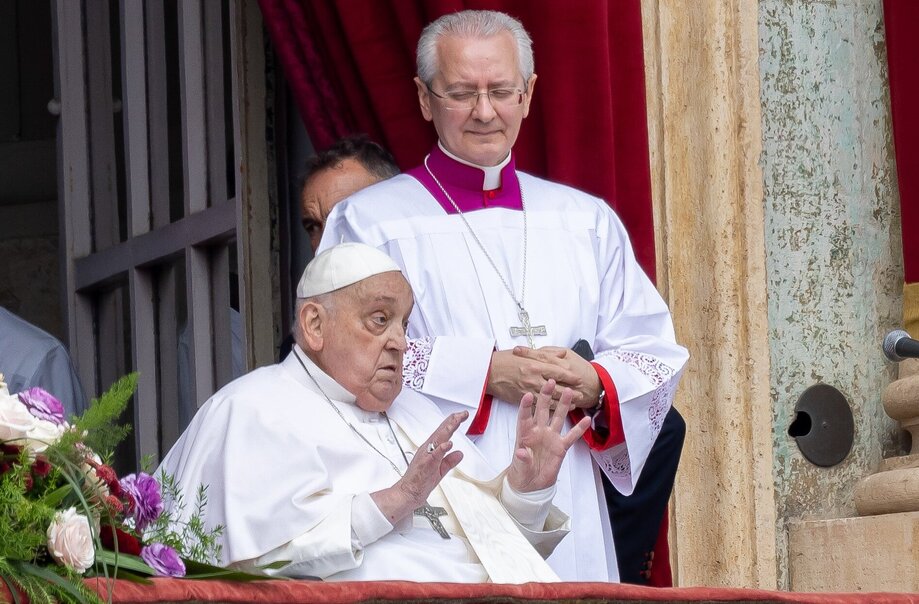
After his death, official duties were assumed by the chamberlain, currently Cardinal Kevin Farrell. He officially confirmed the death alongside a physician and death certificate; no autopsy will be conducted. On Monday at 8:00 p.m. local time, the Vatican carried out the rites of reading the official death record and placing the pope’s body in his coffin, validated by Farrell.
Farrell also closed and sealed Pope Francis’ private residence in the Casa Santa Marta, where he chose to live instead of the traditional papal apartment.
Farrell, with a team of three assisting cardinals, will establish the mourning schedule, including the funeral and burial, which must take place between the fourth and sixth day after death. The transfer of the body to St. Peter’s Basilica for public viewing is scheduled for Wednesday morning.
True to his austere style, Francis requested that his body not be placed on the traditional catafalque but inside a simple wooden coffin. He will be the first pope in over a century not buried in the crypt of St. Peter’s Basilica, but in the Basilica of Santa Maria Maggiore in Rome.
News of his death first reached his native Argentina. Hours later, President Javier Milei expressed condolences on X, describing Francis as a model of kindness and wisdom.
World leaders including Emmanuel Macron, Giorgia Meloni, Pedro Sánchez, Charles III, Donald Trump, Claudia Sheinbaum, Gustavo Petro, Gabriel Boric, and Luiz Inácio Lula da Silva also paid tribute, highlighting his humility, closeness to the poor, and commitment to social justice.
The sports world also honored Pope Francis, particularly the Argentine club San Lorenzo de Almagro, of which he was a devoted fan. The club posted an emotional message on X: “He was never just one of us—he was always one of our own… From Jorge Mario Bergoglio to Francis, one thing never changed: his love for El Ciclón.”
The death of Pope Francis begins the mourning period in the Vatican, a process that includes preparations for the conclave to elect the next pontiff, typically 15–20 days after a pope’s passing. His legacy of humility, service to the poor, and dedication to social justice leaves a profound impact on the Church and the world.