Macron Considers Recognizing Palestine in June
- April 10, 2025
- 0
France signals it could recognize Palestine this year; Macron supports a two-state solution and criticizes Israel’s policies in Gaza.

France signals it could recognize Palestine this year; Macron supports a two-state solution and criticizes Israel’s policies in Gaza.
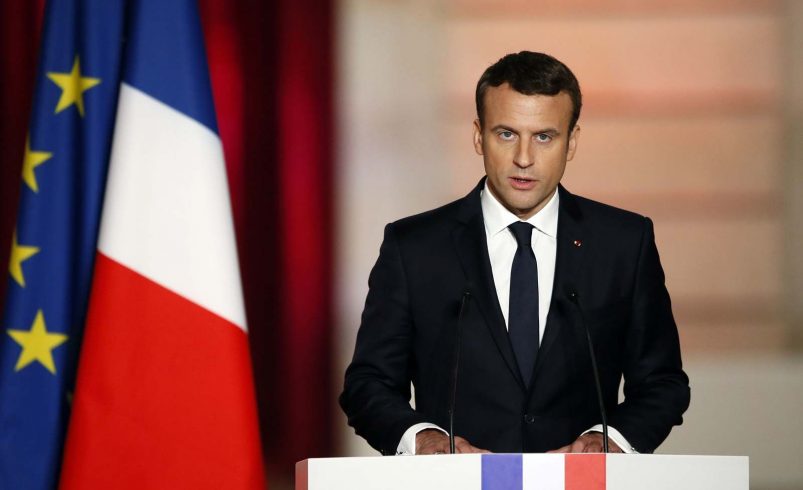
French President Emmanuel Macron announced that his country could recognize the State of Palestine during the first half of this year, at an international summit he will co-chair with Saudi Arabia at the UN headquarters in New York.
The announcement comes amid the Israeli offensive in Gaza, which has left over 30,000 dead and worsened the humanitarian crisis in the region.
“I will not do it to please anyone, but because it is the right thing to do,” Macron said in an interview with France 5, following his visit to Egypt. In the city of Al Arish, near the Gaza Strip, he met with President Abdel Fatah al Sisi and King Abdullah II of Jordan.
During the visit, the French leader reiterated his support for a two-state solution and criticized any attempts at annexation or forced displacement by Israel. “I will do it because it is just, and because I want to take part in a collective dynamic that also allows those who support Palestine to recognize Israel,” he added.
Palestinian Foreign Minister Varsen Aghabekian Shahin described the potential decision as “a step in the right direction.” Meanwhile, Israeli Foreign Minister Gideon Saar voiced his opposition on X, calling any unilateral recognition “a reward for terrorism” and an encouragement for Hamas.
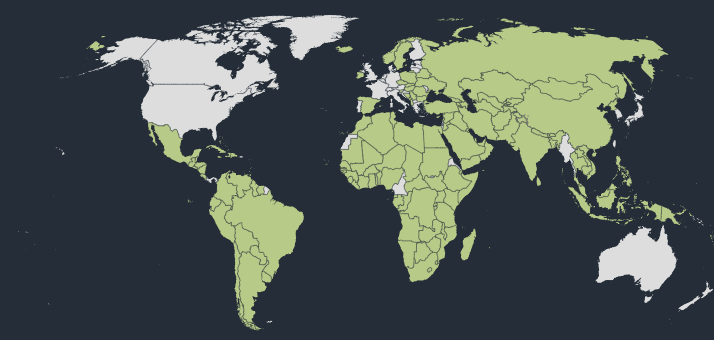
Support for Palestine is also growing in Europe: in 2024, Ireland, Norway, and Spain recognized the Palestinian state, followed shortly after by Slovenia. Israel responded by withdrawing its ambassadors from those countries.
Meanwhile, the humanitarian crisis in Gaza continues to worsen. Doctors Without Borders reported that Israel is deliberately blocking access to clean water as part of its military offensive, affecting thousands of families who must travel long distances to collect between 12 and 16 liters of water per day.
The UN, UNICEF, and WHO called for immediate international action, warning of serious violations of international humanitarian law.
Since early March, the total blockade has prevented the entry of food, medicine, and fuel. The shutdown of the Mekorot pipeline, which supplies 70% of the population, threatens to collapse the water distribution system.
During the 60-day truce between January and March, humanitarian organizations were able to deliver supplies, but the reinforced blockade since March 2 has halted aid completely.
The conflict has already caused the deaths of 408 humanitarian workers, including 280 from UNRWA, and over a thousand children were killed or injured in just the first week after the ceasefire ended.
Israeli forces continue displacing hundreds of thousands of people with no safe refuge, while the use of water as a weapon of war could constitute a serious violation of international law.