The Thirst of ChatGPT: The AI devouring water while generating words
- April 1, 2025
- 0
Generating a 100-word text in ChatGPT consumes 519 ml of water, highlighting the environmental impact of artificial intelligence at scale.

Generating a 100-word text in ChatGPT consumes 519 ml of water, highlighting the environmental impact of artificial intelligence at scale.

What price does the planet pay for every word generated by artificial intelligence? This question becomes critical when examining the resource demands of advanced models like ChatGPT.
Each seemingly simple interaction with the chatbot hides a voracious system that leaves a significant environmental footprint.
Since its 2022 launch, ChatGPT has been used by roughly 25% of Americans, according to the Pew Research Center. Yet everyday usage carries disproportionate water and electricity consumption, raising questions about sustainability.
Generating a 100-word text in ChatGPT consumes an average of 519 milliliters of water, equivalent to a bottle. While this may seem small, its impact multiplies on a large scale.
If just 10% of the U.S. workforce used the service weekly, annual water consumption would exceed 435 million liters, enough to supply all households in Rhode Island for a day and a half, according to analysis by The Washington Post and the University of California, Riverside.
Data centers generate massive heat performing thousands of calculations per response. To prevent overheating, cooling systems often use water, similar to how sweat regulates body temperature. In water-scarce areas, electric air conditioning is used, increasing energy consumption.
Each 100-word response also consumes 0.14 kWh, enough to power 14 LED bulbs for an hour. Multiplied by millions of users, the impact is huge. If just 10% of U.S. workers used ChatGPT weekly, annual electricity use would match that of all households in Washington D.C. for 20 days.
Rising energy demand strains states like Georgia, Arizona, and Texas, where data centers proliferate due to cheaper electricity. Local communities worry about environmental, social, and economic impacts.
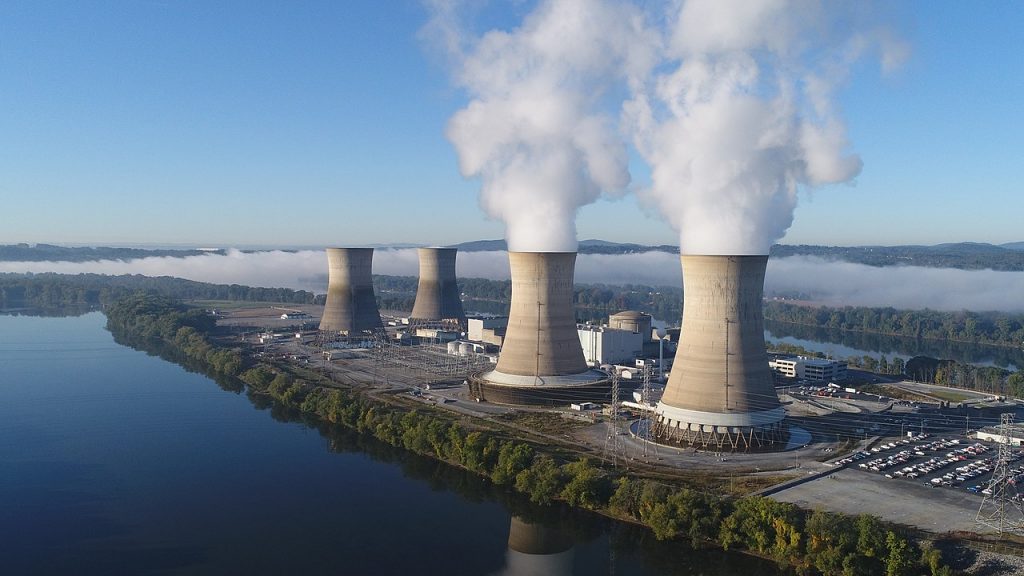
Some companies are working to reduce the environmental footprint of artificial intelligence. Microsoft plans to use energy from the Three Mile Island nuclear reactor, while Google aims to replenish 120% of water usage by 2030. Yet full implementation will take years.
Technology’s impact on the planet is real: about 1% of global CO₂ emissions come from watching online videos, and this could reach 8% by 2025. The AI industry urgently needs innovation to minimize its impact. Enjoying the benefits of artificial intelligence requires a serious commitment to environmental sustainability.