Researchers unveil first therapeutic vaccine against lung cancer
- May 8, 2025
- 0
The experimental vaccine aims to activate patients’ immune systems to fight cancer, with clinical trials underway in Europe and Latin America.

The experimental vaccine aims to activate patients’ immune systems to fight cancer, with clinical trials underway in Europe and Latin America.
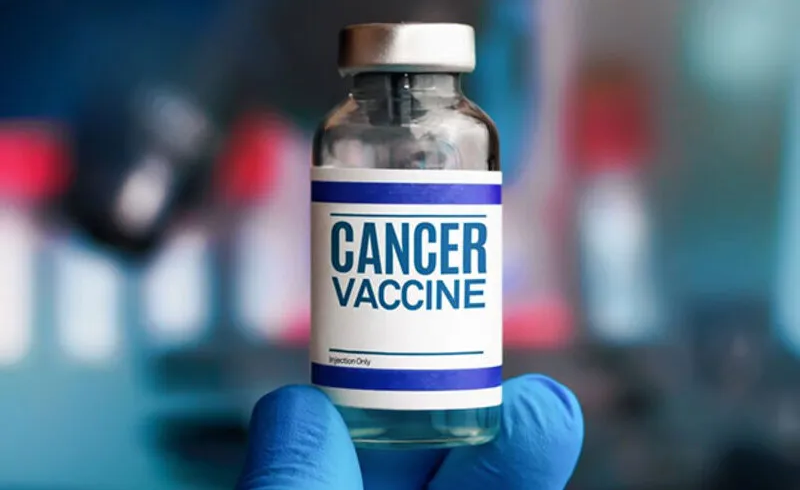
Researchers from several institutions have developed the first therapeutic vaccine specifically targeting lung cancer, now entering clinical trials in seven countries across Europe and Latin America.
Named LungVax, the vaccine works by stimulating the patients’ immune system to attack active tumor cells, particularly those associated with non-small cell lung cancer, the most common and deadly type.
Lung cancer, which begins with abnormal cell growth in the lungs, remains one of the deadliest cancers worldwide. Symptoms often appear only in advanced stages, complicating early diagnosis, and it ranks as the second leading cause of cancer mortality in both sexes, accounting for 11.8% of deaths.
Unlike traditional vaccines that prevent disease, LungVax induces antibody production against EGF (epidermal growth factor), blocking tumor cell proliferation.
This antigen is overexpressed in many types of cancer, and when combined with a carrier protein and an adjuvant like montanide ISA 51, it enhances the immune response without the need for additional chemical treatments.
The ongoing clinical trials aim to assess LungVax’s effectiveness as a complement to standard therapies, including chemotherapy and immunotherapy.
More than 700 patients are participating in countries such as Spain, Cuba, Turkey, Malaysia, South Africa, Serbia, and Venezuela. Previous phase II studies showed promising results, with median survival increases of up to 12 months in certain groups and notable improvements in patient quality of life.

Experts caution that while the vaccine is not a definitive cure, its potential as a therapeutic tool is significant. If proven effective, LungVax could pave the way for other therapeutic cancer vaccines, representing a major step forward in modern medicine.
Initial results from phase III are expected between late 2025 and early 2026. Positive outcomes could trigger regulatory approval processes, including with the EMA, marking a historic milestone in global lung cancer treatment.