Argentina prepares for legislative elections: complete lists for deputies and Senators in October
July 28, 2025
0
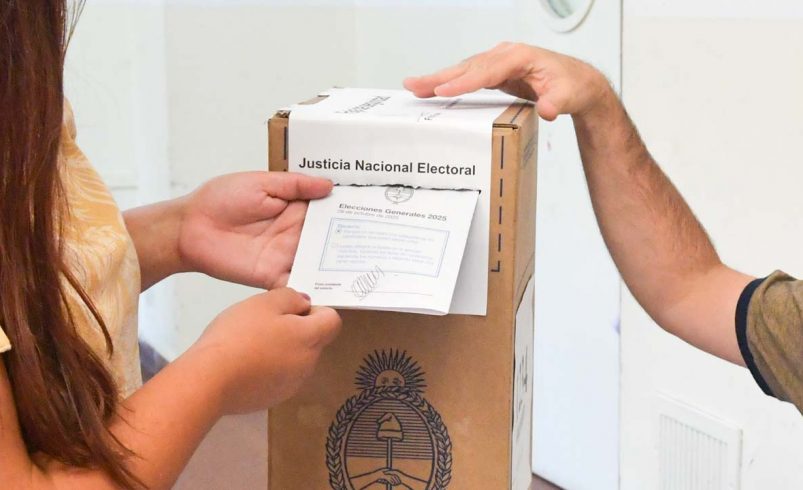
With the Argentina legislative elections set for October, all official lists for deputies and senators across 24 districts are now confirmed.
As the Argentina legislative elections on October 26 approach, the political landscape is heating up. Voters will choose 127 deputies across 24 districts and 24 senators in eight provinces, shaping the composition of Congress for the coming term.
Official data compiled by the National Electoral Chamber shows that 297 lists from 129 political forces are running nationwide.
For the Chamber of Deputies, there are 226 lists, while 71 lists compete for the Senate. The provinces voting for senators this cycle include Buenos Aires, Chaco, Entre Ríos, Neuquén, Río Negro, Santiago del Estero, Salta, and Tierra del Fuego.
Buenos Aires and Córdoba lead in the number of deputy lists with 19 each, followed by CABA with 17 and Santa Fe with 16. For senators, CABA has 15 lists, and Chaco 10. Overall, there are 2,656 candidates between both chambers.
Milei and candidate Patricia Bullrich
Two political forces stand out for their nationwide reach: La Libertad Avanza (LLA), either alone or in alliance with PRO, and the Peronist movement in its various forms. Both have candidates in 23 provinces and the City of Buenos Aires. LLA’s strategic moves during the August 17 list closure largely displaced PRO candidates from the top spots in nine districts, while in Río Negro the alliance with PRO collapsed amid legal disputes.
In Buenos Aires, the country’s largest district with 35 deputy seats at stake, 18 lists will compete. Fuerza Patria, the Peronist coalition, is led by former foreign minister Jorge Taiana, alongside Jimena López, Juan Grabois, Vanesa Siley, and Sergio Palazzo.
LLA’s ticket features José Luis Espert as head, with Karen Reichardt and Diego Santilli following. Other contenders include Florencio Randazzo for Provincias Unidas, Nicolás Del Caño for the Left Front, and María Eugenia Talerico for Potencia.
The entire territory in elections
In Córdoba, nine deputy seats are contested across 18 lists. Provincias Unidas heads the ticket with former governor Juan Schiaretti, while LLA nominated businessman Gonzalo Roca.
PRO also ran independently with Oscar Agost Carreño, and the Radical Civic Union chose Ramón Mestre. Other candidates include Pablo Carro for Fuerza Patria and Natalia de la Sota for Defendamos Córdoba.
Provincial dynamics vary widely. Chaco has 10 lists for deputies and three for senators, with LLA and the UCR fielding Mercedes del Rosario Goitía as deputy candidate and Juan Cruz Godoy for Senate.
Neuquén has nine lists for deputies and eight for Senate, with LLA candidates Nadia Márquez and Gastón Riesco, while Fuerza Patria runs Silvia Sapag and Beatriz Gentile. Río Negro voters will choose two deputies and three senators from seven lists, with major competition between LLA, Fuerza Patria, and local alliances.
Other provinces such as Salta, San Juan, Santa Cruz, Santiago del Estero, Tucumán, and Tierra del Fuego feature multiple lists and varied alliances, reflecting both national and provincial political tensions. Across all districts, the contests highlight the fragmentation and strategic alliances that define Argentina’s current political scenario.
As the Argentina legislative elections approach this October, voters are set to decide not just on representatives, but also on the direction of national policies and the balance of power between the government and opposition. With more than 2,600 candidates in the race, the upcoming vote promises to be one of the most complex and closely watched electoral processes in recent Argentine history.