More than Half of coastal settlements relocate due to rising seas
- September 26, 2025
- 0
An international study reveals that 56% of coastal communities have moved inland due to sea level rise, while the most vulnerable remain exposed.

An international study reveals that 56% of coastal communities have moved inland due to sea level rise, while the most vulnerable remain exposed.

A global study led by Monash University found that 56% of human settlements along coasts have relocated inland as a response to rising seas.
The research, published in Nature Climate Change, analyzed satellite data from 1992 to 2019 across more than 1,000 coastal regions in 155 countries, showing how the environment is reshaping society.
Lead author Professor Wang Xiaoming explained that this phenomenon is not uniform: “Relocation inland happens where people have the means. Poorer communities cannot move and remain exposed to increasing climate risks.”
The report shows that while more than half of settlements moved inland, 28% stayed in place and 16% actually moved closer to the shoreline. This trend was most frequent in South America (17.7%) and Asia (17.4%), raising concerns about the vulnerability of these regions.
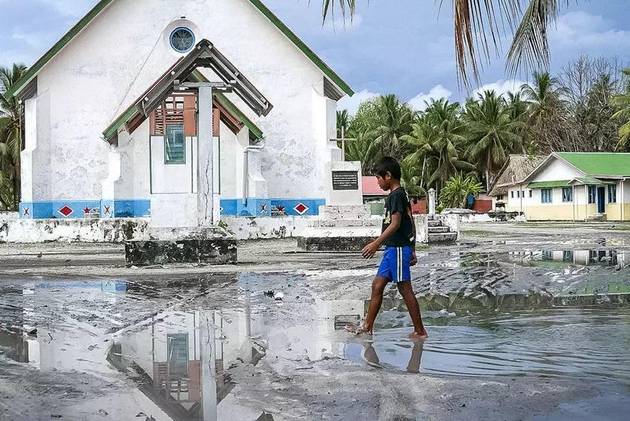
In Oceania, both wealthy and poor communities moved closer to the coast, but for different reasons: the former due to profitable economic activities, and the latter due to overconfidence in protective infrastructure, which increases exposure to risk.
The study, conducted with Sichuan University and researchers from Denmark and Indonesia, concludes that coastal relocation is “inevitable” and requires careful long-term planning. Without action, the adaptation gap between wealthy and poor regions will continue to widen.
Key points