Syria opens a new political chapter with its first parliamentary elections since Assad’s fall
- October 5, 2025
- 0
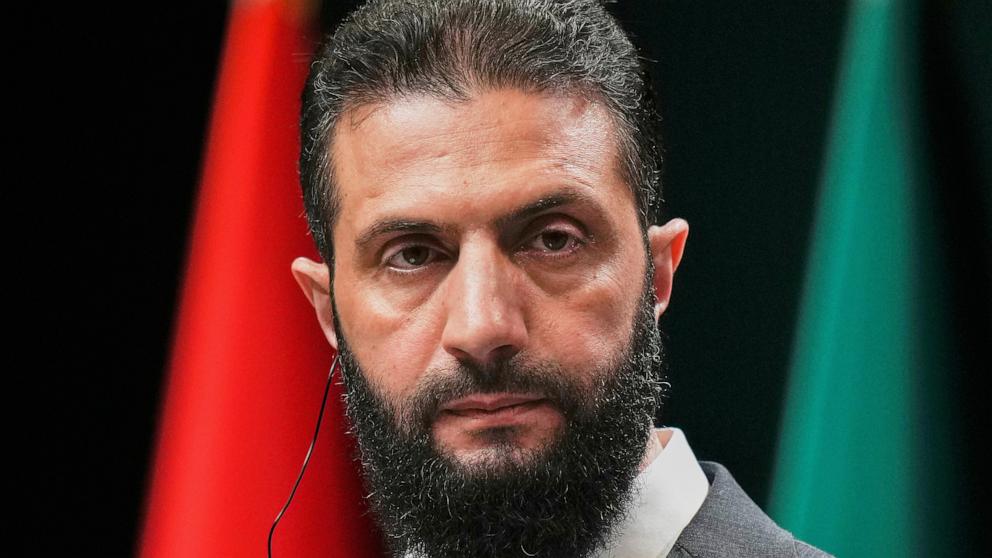
Syria held its first elections since Bashar al Assad’s downfall, a process overseen by the new interim government under Ahmed al Sharaa.

Syria held its first elections since Bashar al Assad’s downfall, a process overseen by the new interim government under Ahmed al Sharaa.
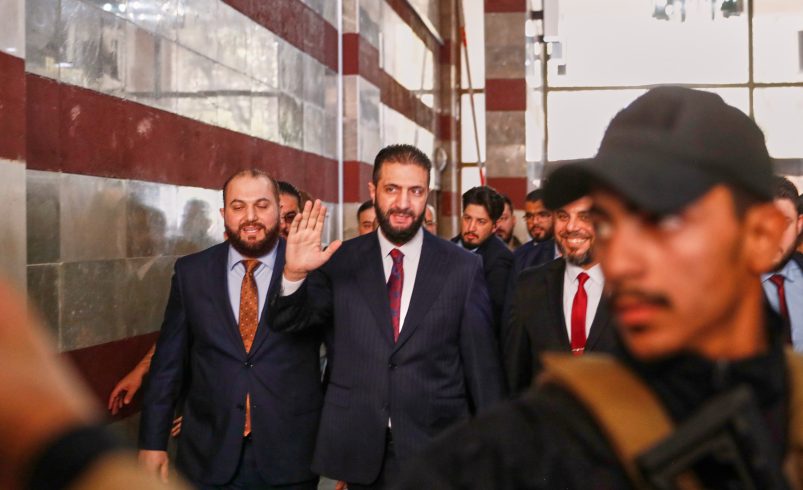
Polling stations across Syria closed on Sunday after a calm day of voting, marking the country’s first parliamentary elections since the fall of Bashar al Assad last December.
Around 6,000 accredited members voted under the supervision of the Supreme Committee for Elections, selecting representatives for the new People’s Assembly that will govern the country for the next term.
“Voting has concluded in all Syrian provinces. Subcommittees are now counting the ballots,” announced Nawar Najmeh, spokesperson for the Supreme Committee for Elections, on X. State news agency SANA reported that counting was underway and that official results would be announced soon.
Elections took place in most Syrian provinces, though voting was postponed in Raqqa, Al Hasaka —areas under Kurdish control— and Al Sweida, where the seats will remain vacant “until suitable conditions are met.”
The new People’s Assembly will consist of 210 members: one-third appointed directly by interim president Ahmed al Sharaa, and the remaining two-thirds chosen through local assemblies selected by electoral subcommittees across 62 constituencies.
This indirect system has been criticized for its opacity and for favoring figures close to the interim administration.
According to SANA, a total of 1,578 candidates ran for office, with women representing 14%. Eligibility rules were strict: candidates could not have served in Parliament since 2011 —when the popular uprising erupted— nor supported the previous regime, separatist movements, or terrorist groups.
Interim president Ahmed al Sharaa has framed these elections as the beginning of a “new political era” for Syria, aiming to portray a message of stability and openness. His government, which took office after Assad’s ouster, has pledged to lead an “inclusive reconstruction” and rebuild ties with Arab and European nations.
Yet analysts remain cautious. They warn that the electoral framework, heavily centralized under the Supreme Committee for Elections, still bears hallmarks of the previous authoritarian system, potentially curbing real political diversity in the new Parliament.
Despite skepticism, the vote is seen as an essential step toward institutional normalization in a country shattered by over a decade of civil war. Official results are expected later this week, establishing Syria’s first legislative body without Bashar al Assad, with a two-and-a-half-year mandate.
As election spokesperson Nawar Najmeh stated, “These elections are not only about choosing representatives; they symbolize the rebirth of Syria’s political sovereignty.”