Sudan: Paramilitary group accepts humanitarian truce proposed by United States mediators
- November 7, 2025
- 0
The United States-backed truce aims to ease the humanitarian crisis in Sudan, where war and famine have devastated Darfur and Kordofan.

The United States-backed truce aims to ease the humanitarian crisis in Sudan, where war and famine have devastated Darfur and Kordofan.
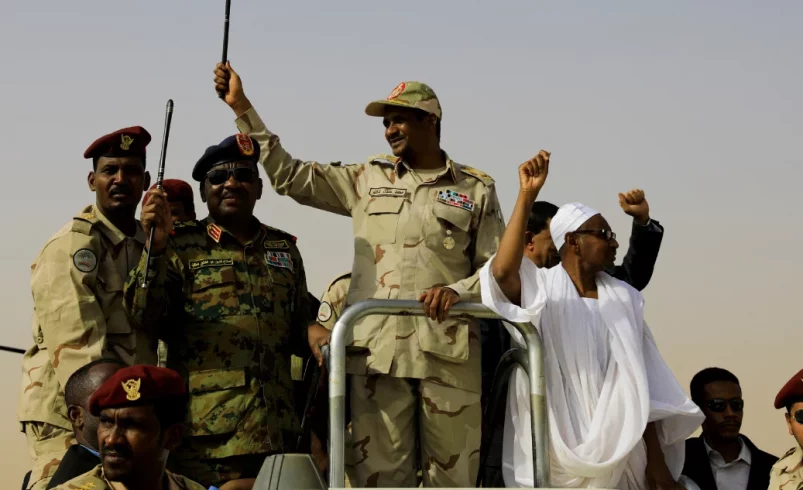
The paramilitary Rapid Support Forces (RSF) in Sudan have agreed to a humanitarian truce proposed by mediators led by the United States, marking a potential breakthrough after months of violence and escalating humanitarian collapse.
The agreement comes just over a week after the RSF seized the strategic city of El-Fasher, the Sudanese army’s last stronghold in Darfur, following an 18-month siege.
In an official statement, the RSF said they hoped to “implement the agreement immediately and begin discussions on ceasefire arrangements and the political principles that will guide Sudan’s transition, addressing the root causes of conflict and ending the suffering of the Sudanese people.”
A Sudanese military official, speaking anonymously, told The Associated Press that the army “welcomes” the Quartet’s proposal but will only agree to the truce if the RSF withdraw fully from civilian areas and surrender their weapons, in line with previous peace frameworks.
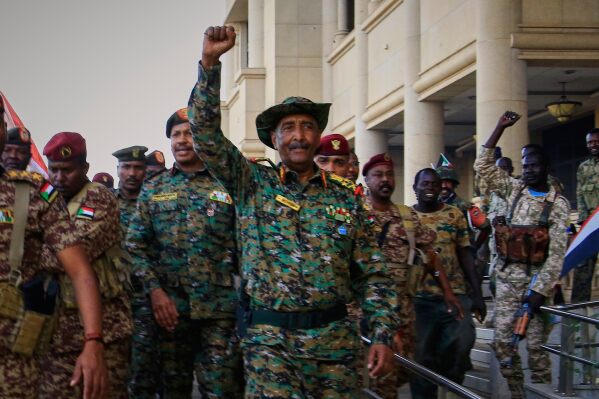
Massad Boulos, U.S. advisor for African affairs, said that the United States is working closely with both sides to secure a humanitarian pause and that an announcement could come “soon.”
According to Boulos, the U.S.-led plan envisions a three-month truce, followed by a nine-month political process.
The United States, alongside Saudi Arabia, Egypt, and the United Arab Emirates — a coalition known as the Quartet — has been leading efforts to end the conflict.
“We urge both sides to advance in response to the United States-led effort to conclude a humanitarian truce, given the urgent need to de-escalate violence and relieve the suffering of the Sudanese people,” the State Department said in a statement.
El-Fasher, the capital of North Darfur, has become one of the epicenters of hunger and displacement. According to the Integrated Food Security Phase Classification, both El-Fasher and Kadugli in South Kordofan are facing famine conditions.
AbdulHakim Elwaer, regional representative of the FAO, stated that “the crisis in Sudan is man-made, driven by conflict, insecurity, and the absence of humanitarian corridors.”
“I am optimistic that by the end of the year we will reach a solution,” Elwaer said. “We cannot allow millions to starve simply because aid cannot reach them.”
Islamic Relief warned that community kitchens serving as lifelines for many families are at risk of collapse. A new survey revealed that 83% of households in eastern and western Sudan lack enough food.
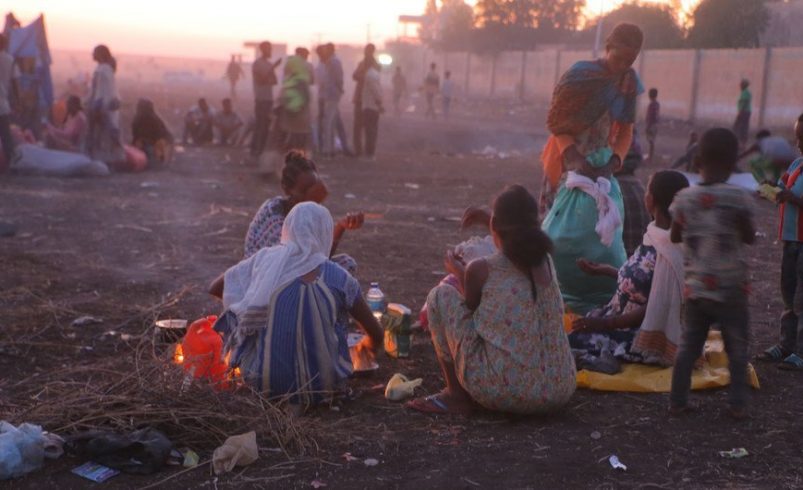
The Norwegian Refugee Council reported that displaced people fleeing El-Fasher to Al-Affad camp in Al-Dabbah faced “unimaginable conditions.” Survivors described eating animal feed, drinking rainwater, and walking for days under threat of airstrikes and drone attacks.
“People made the journey on foot for several days through extreme thirst, hunger, and violence,” said Mathilde Vu of the NRC. “Some were barely alive upon arrival.
Many were too dehydrated to speak.” As humanitarian organizations struggle to reach those in need, the acceptance of this truce provides a faint glimmer of hope.