Armed Men Abduct Over 300 Students in a New Wave of Violence in Nigeria
- November 25, 2025
- 0
More than 300 students were abducted from a Catholic school in Nigeria, escalating insecurity as Estados Unidos and Donald Trump intensify scrutiny.

More than 300 students were abducted from a Catholic school in Nigeria, escalating insecurity as Estados Unidos and Donald Trump intensify scrutiny.
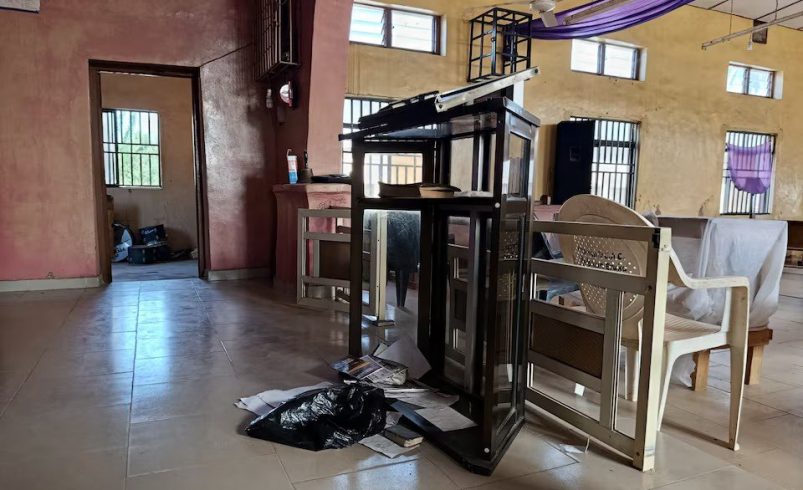
More than 300 students were abducted from a private Catholic school in central Nigeria, marking one of the largest mass kidnappings in the region in recent years.
The attack, carried out by heavily armed bandits in Niger State, has reignited national and international alarm—particularly from the administration of Donald Trump in the Estados Unidos, which has repeatedly expressed concern over violence targeting Christian communities in the country.
According to local authorities and the Christian Association of Nigeria (CAN), the attackers stormed St. Mary’s Catholic School early Friday morning. Although some students managed to escape during the chaos, updated counts released after a final census confirmed that 303 students and 12 teachers were taken.
Many of the abducted children are between 10 and 18 years old, making the incident especially devastating for families and community leaders.
Reverend Bulus Dauwa Yohanna, president of CAN’s Niger State chapter, visited the school shortly after the attack and met with anguished parents.
His spokesman, Daniel Atori, explained to CNN that an additional 88 students were captured while attempting to flee into nearby forests. The updated figures reflect both the scale of the attack and the speed with which the armed group overpowered school staff and local security.
The mass abduction has prompted the temporary closure of several federal and state-run schools across northern Nigeria, as authorities fear further coordinated assaults.
It also follows a string of similarly violent incidents in the same week: an attack on a church in neighboring Kwara State left at least two people dead, while several congregants—including the pastor—were kidnapped.
Days earlier, 25 girls were seized from a government boarding school in Kebbi State, where the deputy principal was shot and killed during the raid.
For many Nigerian families, the latest kidnapping echoes the trauma of past atrocities, including the 2014 Chibok abductions that drew global outrage.
But for others, it marks yet another reminder that the country’s security crisis continues to spiral despite renewed military operations. Armed groups—often referred to locally as “bandits”—have increasingly targeted rural communities, schools, churches, and transportation routes for ransom-driven kidnappings.
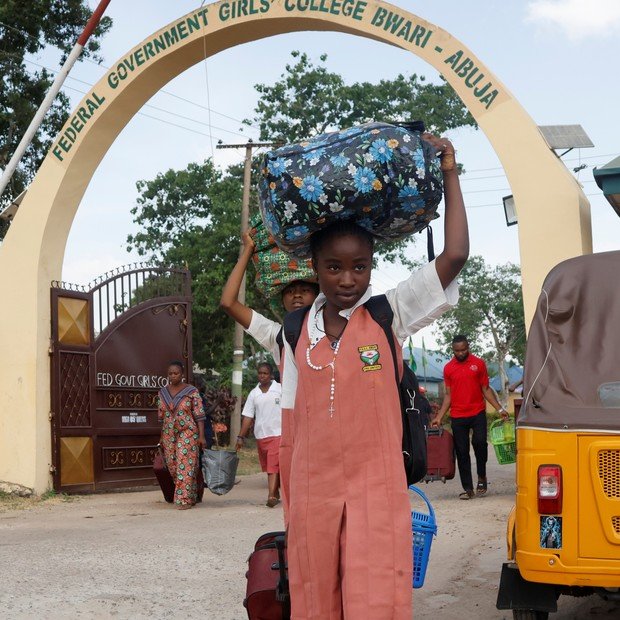
Eze Gloria Chidinma, a Nigerian content creator whose younger sister narrowly escaped the attack at St. Mary’s, told Associated Press she no longer trusts the authorities to protect civilians.
Her family has endured repeated violence—both her mother and older brother were kidnapped last year. “It’s traumatic,” she said. “To be honest, I don’t believe in the authorities.”
Niger State’s government issued a statement condemning the attack, while local police confirmed that special security teams had been deployed to comb the surrounding forests in search of the kidnapped students.
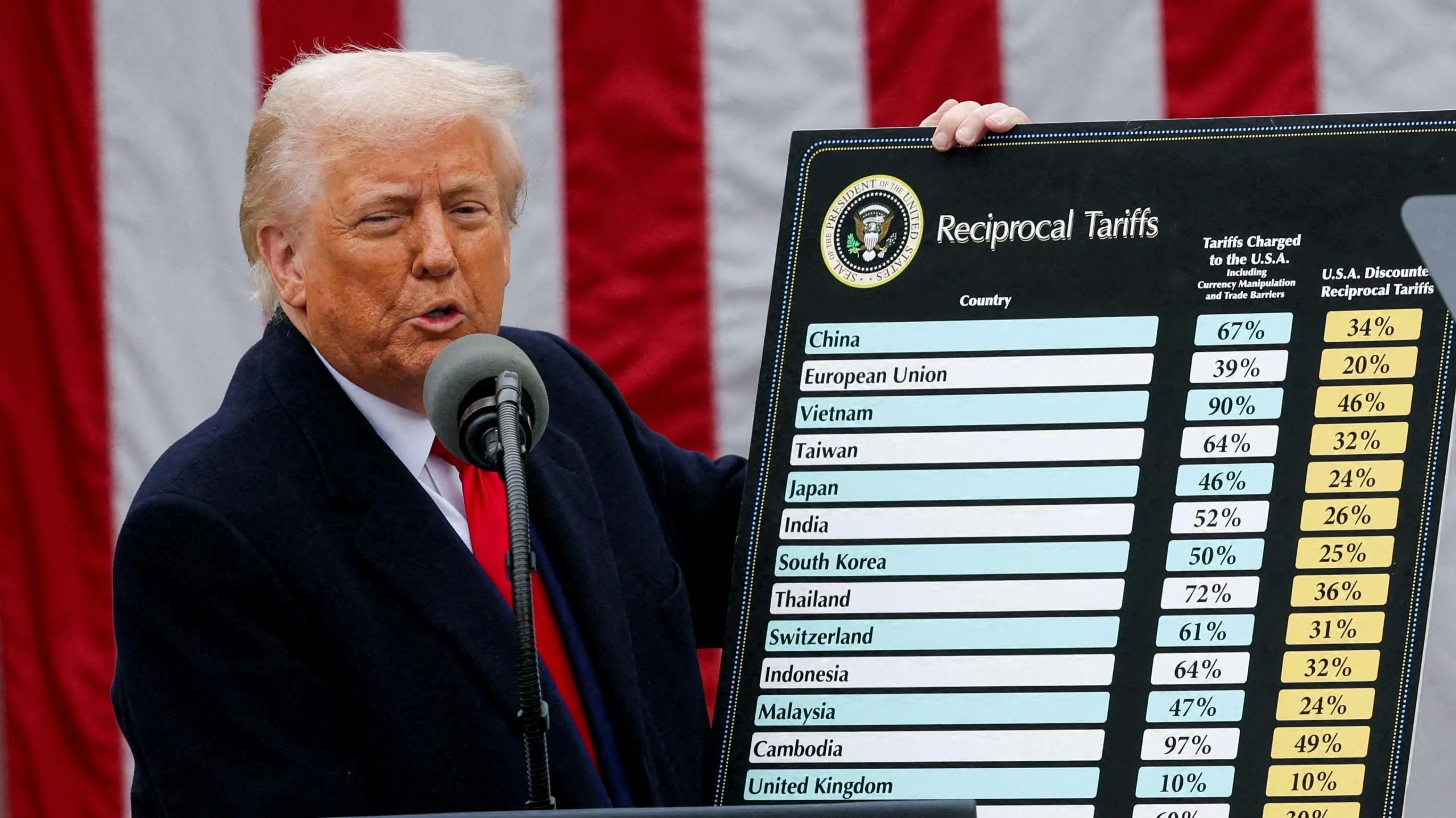
The worsening security environment has also drawn heightened attention from the Estados Unidos, particularly from President Trump, who has repeatedly warned of what he describes as widespread persecution of Christians in Nigeria.
His administration has criticized Nigerian authorities for what it considers inadequate protection of religious minorities and inconsistent security enforcement.
Earlier this month, Trump designated Nigeria a “Country of Particular Concern” under the U.S. International Religious Freedom Act, citing “systematic, ongoing, and egregious violations” of religious liberty.
The move signals increased diplomatic pressure and raises the possibility of sanctions or enhanced military cooperation.
Bulama Bukarti, a Nigerian human-rights advocate specializing in security issues, explained to CNN that while extremist violence has indeed taken the lives of many Christians, it has also devastated Muslim communities on an even larger scale.
The attack coincides with a Nigerian government delegation’s visit to Washington for meetings with senior U.S. officials. U.S. Secretary of War Pete Hegseth shared on social media that he met with Nigeria’s National Security Adviser, Mallam Nuhu Ribadu, to discuss the escalating violence and Washington’s commitment to supporting counterterrorism efforts.
“Under President Donald Trump, the Department of War is actively working with Nigeria to end the persecution of Christians by jihadist terrorists,” Hegseth wrote.
However, analysts emphasize that the situation in Nigeria is far more complex than a simple religious conflict. Extremist groups and criminal networks have targeted both Christians and Muslims across multiple regions.
Yet experts warn that without targeted development programs, improved intelligence operations, and deeper cooperation between federal and local authorities in Nigeria, the country’s security crisis will continue to intensify.
As families wait desperately for news of their missing children, the kidnapping underscores the urgent need for coordinated action—from Abuja to Washington—to confront one of Africa’s most devastating and persistent waves of violence.