Chile approves nationwide classroom cellphone ban to strengthen learning and student well-being
December 7, 2025
0
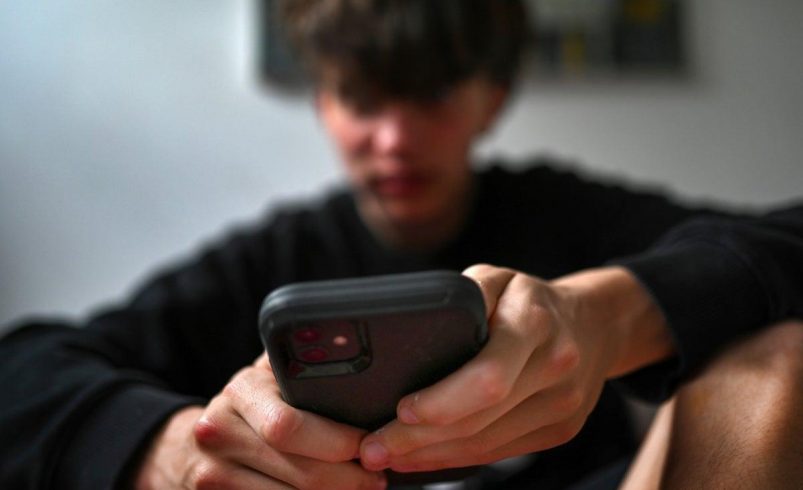
Chile’s Congress has approved a law prohibiting the use of mobile phones in all public and private schools, aiming to improve student interaction and enhance academic performance.
Backed by President Gabriel Boric’s government, the legislation will take effect in March 2026 and will apply to both primary and secondary levels.
After the final vote, Education Minister Nicolás Cataldo emphasized that widespread cellphone use —and constant exposure to social media— has become a major obstacle in the classroom. He described it as a growing “scourge” that undermines concentration, social interaction, and the overall learning environment.
Cataldo and Boric
Deputy Diego Schalper, one of the bill’s authors, noted that mobile phone use among minors is linked to addictive behaviors and disrupts pedagogical processes.
Chile follows Brazil, which implemented a similar ban in late 2024, reflecting a broader regional shift toward regulating technology in schools.
Opposition lawmaker Marcia Raphael stressed that the measure is not “anti-technology” but seeks to promote focus, emotional well-being, and healthier learning environments. Improving coexistence and strengthening educational outcomes are central goals of the new law.
Exceptions will be allowed for students with special educational needs, medical conditions requiring device monitoring, or emergency situations. Schools must establish internal regulations to enforce the ban and ensure compliance.
Chile’s technological landscape adds context to the decision: as of June 2025, the country had 24.4 million active mobile lines, exceeding its population of nearly 20 million. The new law aims to balance widespread device usage with the need to protect and prioritize the learning environment.