A Winter Under Pressure: Early H3N2 Flu Surge Alarms Europe and the United States
December 11, 2025
0
The flu season hits Europe and the United States weeks earlier than expected, as the H3N2 K sub-clade drives soaring infections and strains health systems.
The flu season across Europe, the United States, and parts of Asia has triggered widespread concern due to an unusually early and intense outbreak led by the H3N2 K sub-clade.
This year’s surge, arriving up to six weeks ahead of schedule, has sharply increased infection rates and placed significant stress on hospitals and healthcare networks.
What began as a localized rise in respiratory infections has rapidly evolved into a cross-continental challenge expected to shape the entire winter.
According to the World Health Organization (WHO), the epidemic began between three and six weeks earlier than typical seasonal patterns.
Countries such as Germany, France, Italy, Spain, the United Kingdom, the United States, Japan, and Canada report synchronized spikes in influenza circulation, with positivity rates rising sharply and consultation numbers reaching historic highs.
In Spain, surveillance data from the Carlos III Health Institute show a flu incidence of 112 cases per 100,000 people—ten times higher than the same period last year.
Germany and the United Kingdom have reported similar multiplications of their usual seasonal indicators, prompting reinforced hospital staffing, expanded emergency capacity, and updated contingency plans.
In the United States, the Centers for Disease Control and Prevention (CDC) confirm that the H3N2 K sub-clade has rapidly become dominant.
The agency warns that the outbreak may extend well into spring, as the virus spreads concurrently with respiratory syncytial virus (RSV) and SARS-CoV-2. This triple circulation is complicating diagnosis, accelerating hospital occupancy, and generating new challenges for healthcare providers.
H3N2 K Sub-Clade: A Variant That Evades Immunity More Easily
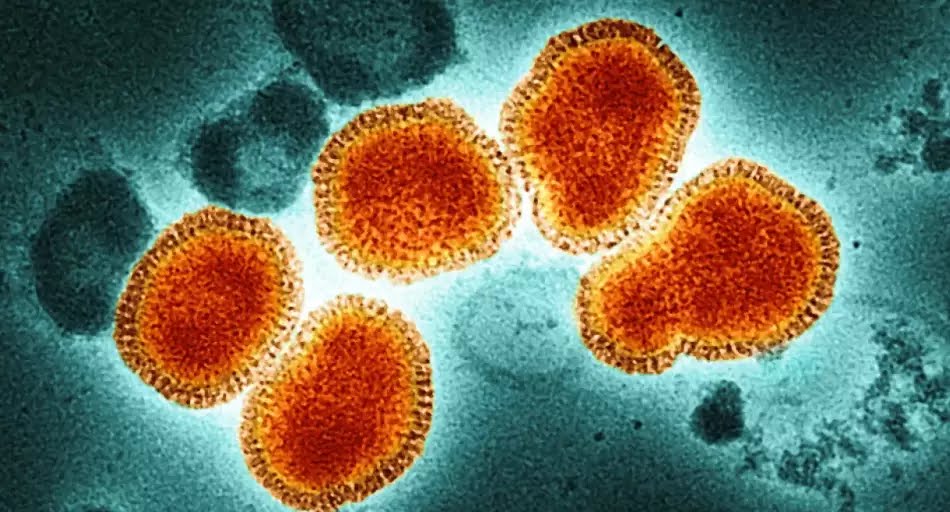
The H3N2 K sub-clade includes several mutations to its external capsid that help it partially evade both natural immunity and the protection offered by existing vaccines.
Andrew Pekosz, a virologist at Johns Hopkins University, explains that these genetic changes significantly increase the virus’s transmissibility, especially in closed, poorly ventilated environments common during winter months.
Young children under five, older adults, and people with chronic underlying conditions are experiencing the highest infection rates. Nurseries, schools, and long-term care facilities have become hotspots, amplifying community spread.
Symptoms include high fever, severe muscle aches, dry cough, fatigue, and general malaise—clinical features easily confused with COVID-19 and other respiratory infections.
While there is no evidence suggesting that the K sub-clade causes more severe illness compared to previous seasonal variants, its accelerated spread is troubling. A rapid rise in cases over a short period inevitably increases the number of complications and the likelihood of overstretched health systems.
Across Europe and North America, the early flu wave is converging with the peak of other respiratory viruses and the holiday-season shortage of healthcare staff.
France, Italy, Spain, Germany, Canada and the United States have all activated contingency protocols: reinforcing staff rosters, setting up dedicated respiratory isolation zones, reinstating mask requirements in health facilities, and issuing public advisories on community prevention.
In the United Kingdom and Japan, authorities recommend mask use in healthcare settings and home isolation for individuals presenting flu symptoms—particularly children, older adults, and high-risk groups.
The European Centre for Disease Prevention and Control (ECDC) warns that although most flu cases will remain mild, the cumulative impact of multiple circulating viruses risks compromising routine care for other conditions if the current pressure continues.
Hospital Systems Under Extreme Pressure Across the Northern Hemisphere
Even though this season’s flu vaccine may offer reduced protection against the H3N2 K sub-clade, health authorities emphasize that vaccination remains essential to lowering hospitalization rates, reducing complications, and preventing deaths.
The appeal is particularly directed toward older adults, pregnant people, healthcare workers, individuals with chronic conditions, and vulnerable children.
Experts also highlight basic preventive measures such as:
Getting vaccinated as early as possible for those in high-risk groups.
Wearing masks in crowded indoor environments.
Ventilating homes and workplaces regularly.
Washing hands frequently and avoiding contact with vulnerable individuals when symptomatic.
Avoiding self-medication and seeking medical care for persistent fever, breathing difficulties, or worsening symptoms.
Marc-Alain Widdowson, head of the Pandemic and Epidemic Diseases Unit at WHO/Europe, reaffirmed the importance of vaccination: “Even when circulating flu strains evolve and develop differences from vaccine strains, the flu vaccine still offers significant protection against illness, hospitalization, and death. It remains essential for those at high risk.”
The rapid progression of the H3N2 K sub-clade signals a winter of exceptional challenges for public health.
With an unusually early start, accelerated transmission, and the simultaneous activity of other respiratory viruses, individual and collective responsibility will play a crucial role in preventing further strain on healthcare systems.
Strengthening vaccination coverage, practicing consistent prevention measures, and protecting high-risk populations are now central to navigating the months ahead.