James Watson, a Central Figure in the Scientific Revolution of DNA, Dies at 97
- November 8, 2025
- 0
James Watson, pioneer of DNA research and winner of the Nobel Prize in Medicine, has died at 97, leaving a decisive legacy for modern science.

James Watson, pioneer of DNA research and winner of the Nobel Prize in Medicine, has died at 97, leaving a decisive legacy for modern science.
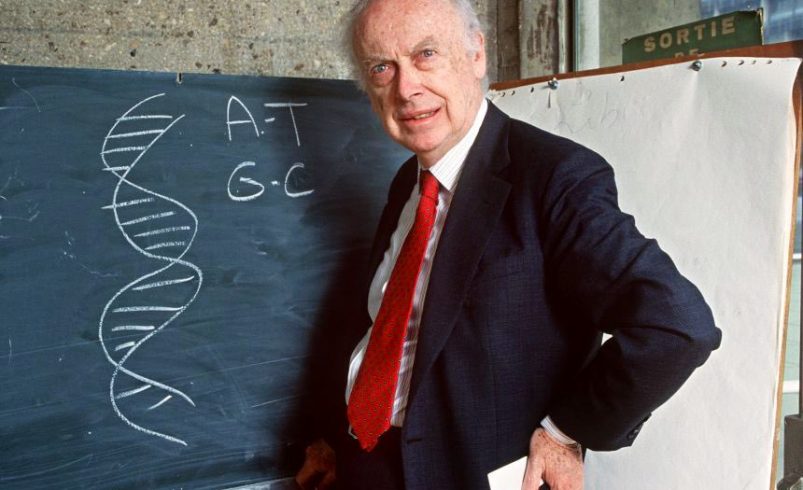
American scientist James Watson, internationally known for his fundamental role in uncovering the structure of DNA and awarded the Nobel Prize in Medicine in 1962, died on Friday at the age of 97, according to Cold Spring Harbor Laboratory (CSHL), where he spent much of his career.
Watson rose to global prominence after deciphering the double-helix structure of DNA in 1953 alongside Francis Crick, a milestone that marked the birth of modern molecular biology and enabled a deeper understanding of how genetic information is transmitted across generations.
Their breakthrough—supported by crucial X-ray diffraction data from Rosalind Franklin and Maurice Wilkins—opened the door to advances in protein synthesis, genetics and the study of hereditary diseases.
Born in Chicago on April 6, 1928, Watson demonstrated exceptional academic ability from an early age. At 15, he earned a scholarship to the University of Chicago, where he received a degree in zoology in 1947.
He later completed his Ph.D. at Indiana University under microbiologist Salvador Luria, a leading figure in virus research and a future Nobel laureate.
Driven by his interest in the structure of DNA, Watson continued his research in Cambridge, Copenhagen and at the Zoological Station in Naples. There, in 1951, he saw an X-ray diffraction pattern of crystalline DNA for the first time—an experience that helped launch his decisive collaboration with Crick.
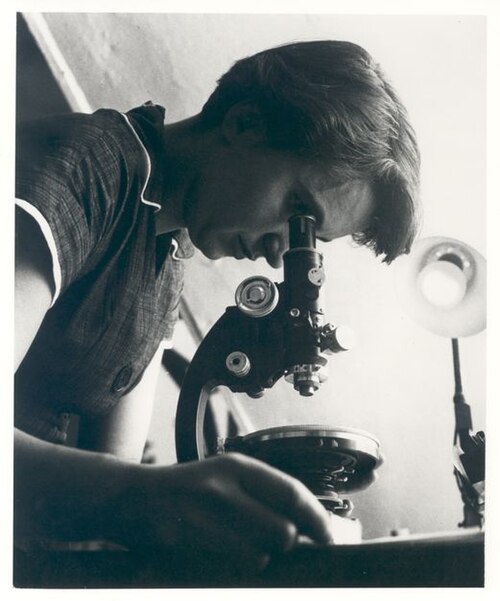
Beyond his scientific discoveries, Watson built a distinguished academic career. He taught for 15 years at Harvard University and served as director of Cold Spring Harbor Laboratory, transforming it into a global center of excellence in molecular biology.
From 1988 to 1992, he led the Human Genome Project at the National Institutes of Health (NIH), a landmark initiative that laid the foundation for mapping human DNA and deepening understanding of genetic disorders.
However, his legacy became increasingly controversial due to repeated public remarks about race, gender and other sensitive topics. These statements led to his resignation from CSHL at age 80 and ultimately distanced him from much of the scientific community.
In 2014, he became the first living Nobel laureate to auction his medal, donating part of the proceeds to scientific institutions.
James Watson leaves behind a complex legacy: a pioneer whose discoveries revolutionized modern science, but also a figure whose controversial views generated widespread criticism and lasting debate.