Singapore: former transport minister jailed in rare corruption case
- October 3, 2024
- 0
The jailing of a former minister over illegal gifts shocks Singapore, a country globally known for its zero-tolerance stance on corruption.

The jailing of a former minister over illegal gifts shocks Singapore, a country globally known for its zero-tolerance stance on corruption.
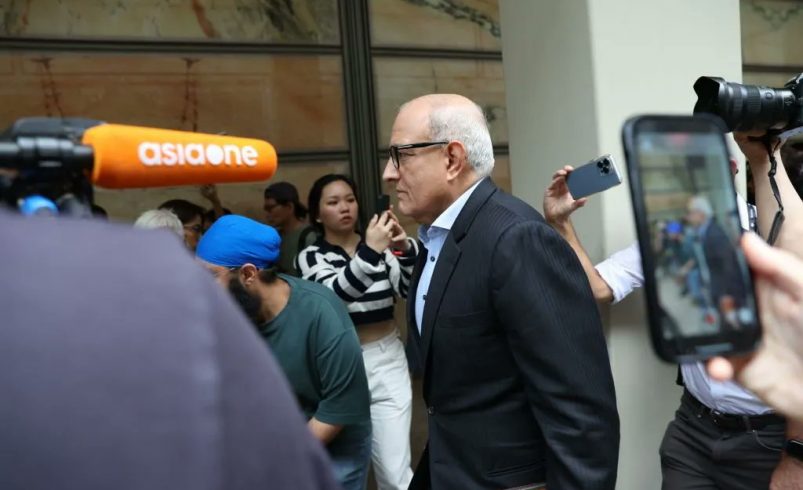
Singapore’s judiciary has sentenced former Transport Minister Subramaniam Iswaran to one year in prison in one of the most significant corruption cases to hit the city-state in decades, shaking a country long praised for its clean governance.
At 62, Iswaran became the first former Singaporean cabinet minister to be jailed in nearly fifty years after pleading guilty to several lesser charges related to receiving valuable gifts while in public office.
The ruling has sparked widespread public debate and raised questions about ethical boundaries at the highest levels of government.
Prosecutors initially filed 35 charges against Iswaran, including corruption offenses, alleging he accepted gifts worth more than $300,000.
These benefits included international flights, luxury hotel stays, and tickets to musical shows and football matches. In a dramatic turn, the prosecution ultimately proceeded with four counts of obtaining valuable items as a public servant and one count of obstructing justice.
Sentencing the former minister, Judge Vincent Hoong imposed a 12-month prison term, exceeding the prosecution’s recommendation of a maximum seven-month sentence.
The judge emphasized that senior public officials must avoid any perception that they can be influenced by personal benefits.
The case has sent shockwaves through Singapore, ranked as the world’s fifth least corrupt country in Transparency International’s 2023 Corruption Perceptions Index.
It has also reignited debate over the city-state’s long-standing policy of paying high ministerial salaries to deter corruption.
Singaporean ministers earn starting salaries exceeding $36,000 per month, compared with a national median monthly wage of just over $4,000.
Analysts argue that a policy designed in the 1980s may be losing effectiveness amid today’s vast flows of wealth and close ties between politics and business.
Iswaran was a key figure in Singaporean politics for years and one of the longest-serving ministers before his resignation earlier this year. While he held portfolios in trade and communications, he was best known internationally for promoting Singapore’s iconic Formula 1 night race.
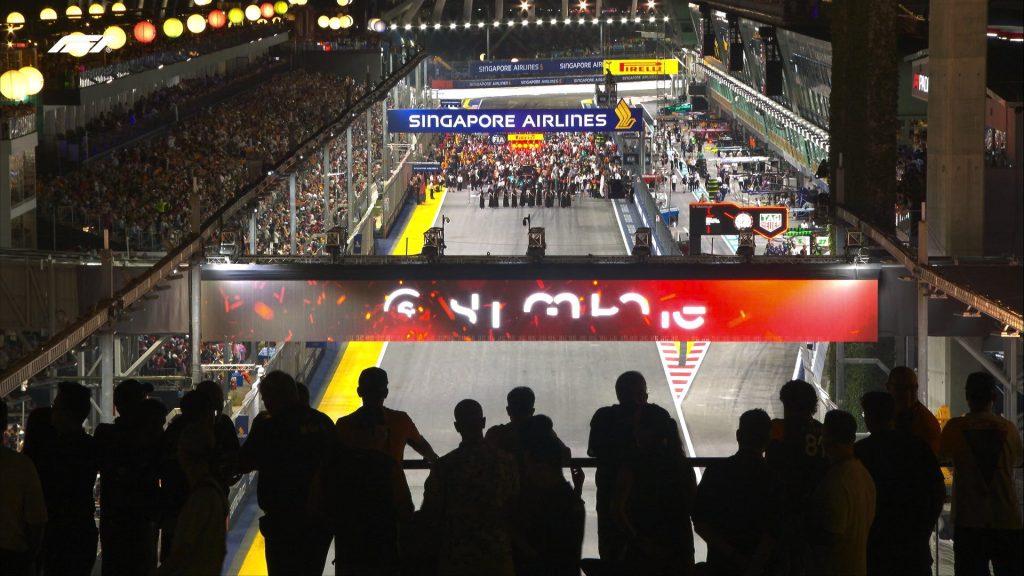
Many of the gifts at the center of the case were provided by Malaysian property tycoon Ong Beng Seng, who owns the commercial rights to the Formula 1 race in Singapore. Ong supplied luxury travel and accommodation to Iswaran and was arrested alongside him in 2023, though he has not been charged.
Public interest in the trial was intense, with residents lining up for hours outside the High Court to secure seats in the public gallery. Politically, the case has raised concerns for the long-ruling People’s Action Party (PAP), which has governed Singapore since independence in 1965.
With general elections due by November 2025, the PAP—now led by Prime Minister Lawrence Wong—faces mounting pressure from rising living costs, recent internal scandals, and an opposition eager to expand its parliamentary presence.
While observers agree the Iswaran case does not signal a systemic breakdown, it underscores the importance of safeguarding public trust in a political system that has long defined itself by integrity and strict enforcement of anti-corruption standards.