The UN warns of stalled progress against hunger and a deepening crisis in Africa
- June 26, 2024
- 0
The UN warns that hunger has remained at critical levels for a third consecutive year, with Africa facing the most severe impact.

The UN warns that hunger has remained at critical levels for a third consecutive year, with Africa facing the most severe impact.

United Nations warned that global efforts to combat hunger have stalled, as new data show that undernourishment levels have remained alarmingly high for three consecutive years.
Crisis hits Africa hardest, where one in five people experienced hunger in 2023, according to the latest State of Food Security and Nutrition in the World (SOFI) report. The study, produced by five UN specialized agencies, found that 733 million people suffered from hunger in 2023.
This figure represents one in every eleven people worldwide and underscores how far the world has drifted from achieving Sustainable Development Goal 2, which aims to end hunger by 2030.
Report’s authors — FAO, IFAD, WHO, WFP and UNICEF — stated that the world has effectively rolled back 15 years of progress, with hunger levels comparable to those seen during the 2008–2009 global food crisis.
While some improvements emerged in areas such as exclusive breastfeeding and child growth, overall progress has failed to reverse the broader deterioration.
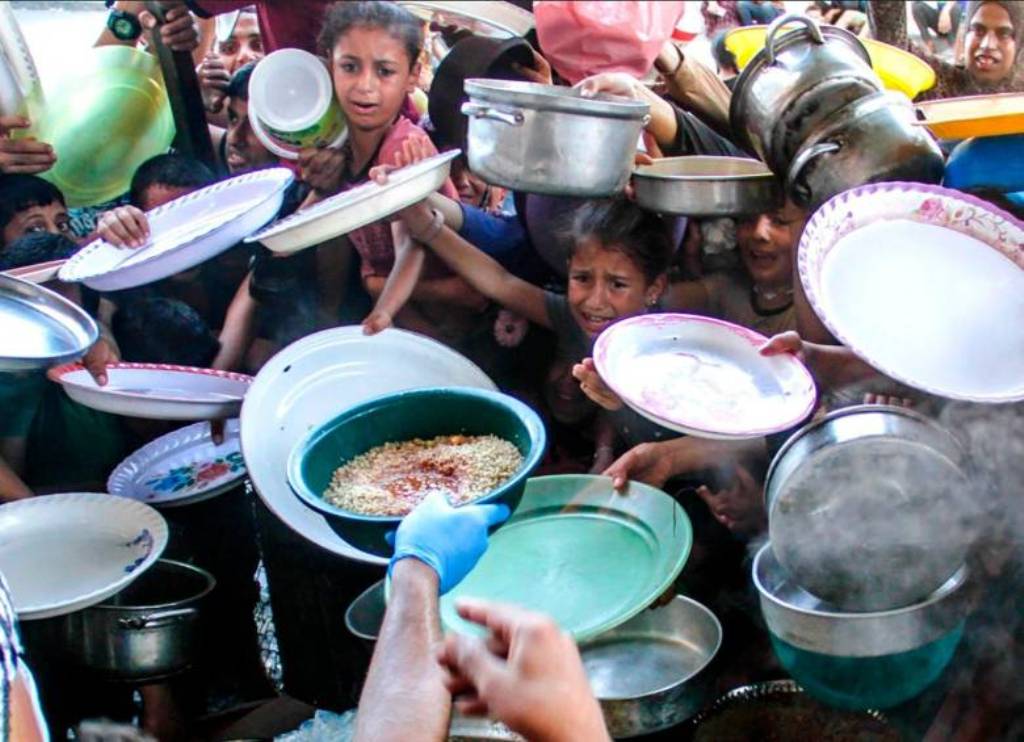
In Africa, hunger has reached structural proportions. The report shows that 20.4% of the population faces undernourishment, while 58% experience moderate or severe food insecurity.
Asia’s rate remains stable at 8.1%, although the region still hosts more than half of the world’s hungry population. Latin America recorded modest improvements, with hunger affecting 6.2% of its population.
Looking ahead, the outlook remains bleak. If current trends persist, 582 million people will face chronic hunger by 2030, half of them in Africa, the UN agencies warned.
This projection mirrors levels recorded in 2015, when the Sustainable Development Goals were adopted, highlighting a troubling lack of progress.
Beyond hunger, the report estimates that 2.33 billion people experienced moderate or severe food insecurity in 2023. Among them, 864 million endured extreme conditions, at times going an entire day or longer without food.
Affordability of healthy diets also remains a major challenge. Updated data indicate that 2.8 billion people could not afford a healthy diet in 2022.
The gap is stark between income groups: more than 70% of people in low-income countries lack access to affordable healthy food, compared with just over 6% in high-income nations.
Report further highlights the growing double burden of malnutrition. While child undernutrition has declined slowly, adult obesity has risen steadily, reaching 15.8% in 2022. Projections suggest that more than 1.2 billion adults will be obese by 2030.
According to the UN, multiple crises converge to fuel this situation, including armed conflicts, climate change, economic slowdowns and persistent food price inflation.
Combined with inequality and unhealthy food environments, these factors exacerbate food insecurity worldwide.
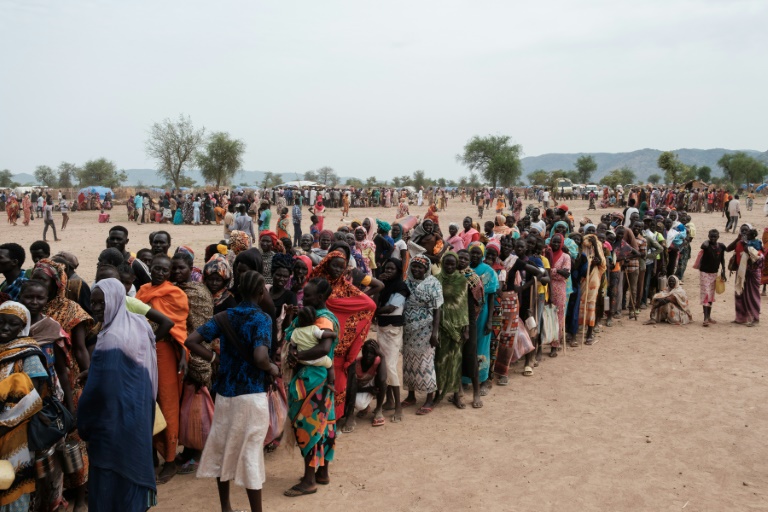
The agencies stress that financing represents a decisive factor in reversing the trend. They call for larger, smarter and more equitable investments to transform agri-food systems, reduce inequality and ensure affordable healthy diets.
Without decisive action, the UN warns, the fight against hunger — particularly in Africa — will continue to fall short of global commitments.