Japan moves closer to restarting the world’s largest nuclear power plant after local approval
December 22, 2025
0
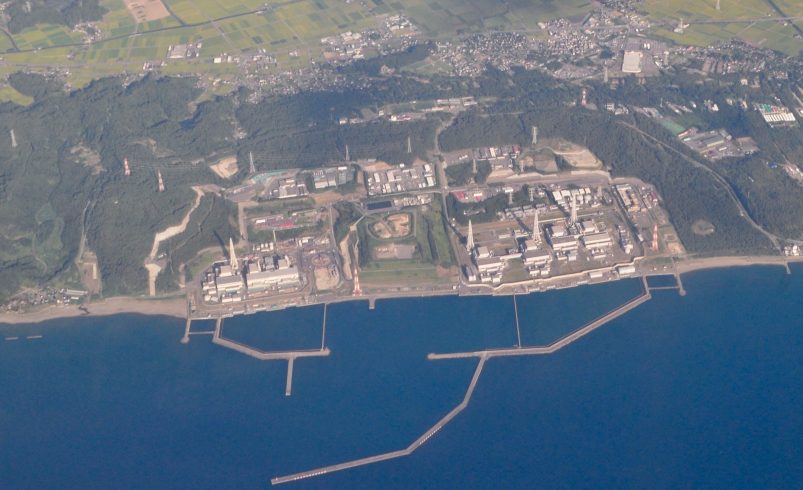
Authorities in Japan approved the political framework to restart the Kashiwazaki-Kariwa nuclear plant, a cornerstone of the country’s energy strategy.
Authorities inJapan took a major step toward restarting the Kashiwazaki-Kariwa nuclear power plant, the world’s largest by capacity, after the Niigata prefectural assembly endorsed the plan backed by Governor Hideyo Hanazumi.
The decision marks a significant shift in Japan’s energy policy nearly fifteen years after the Fukushima nuclear disaster.
The prefectural assembly passed a motion of confidence in Hanazumi, effectively validating his support for restarting the facility operated by Tokyo Electric Power Company (TEPCO). With this vote, local authorities completed the political approval required to move the process forward.
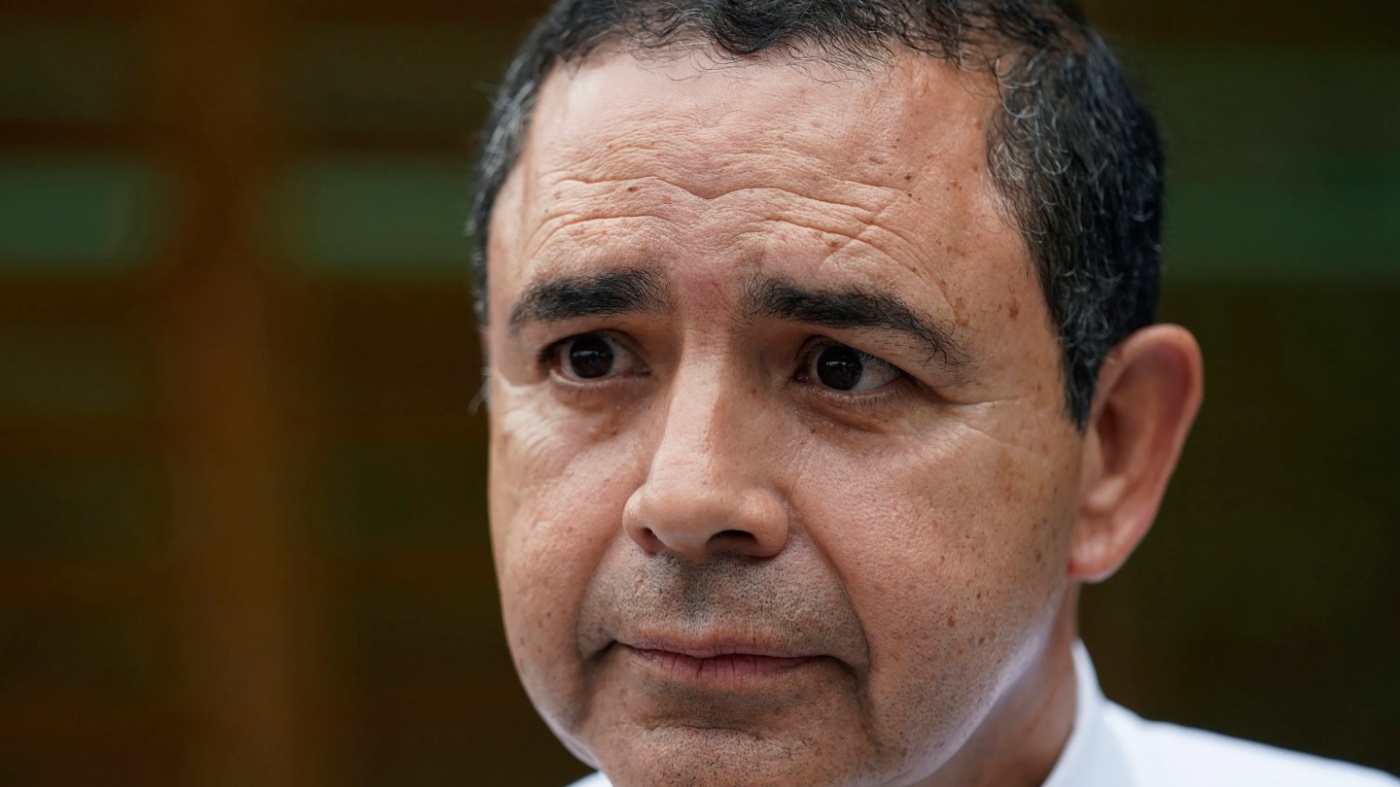
Following the decision, Hanazumi said the approval came after extensive public consultations and technical assessments. “We carefully reviewed residents’ opinions over more than a year and a half before reaching this conclusion,” he told local media, according to NHK.
Last month, the governor had already authorized the restart of reactor No. 6, one of two units cleared by the national nuclear regulator.
The assembly’s backing now strengthens that approval and paves the way for formal coordination with the central government. Hanazumi is expected to meet with Japan’s economy minister, Ryosei Akazawa, to officially convey the decision.
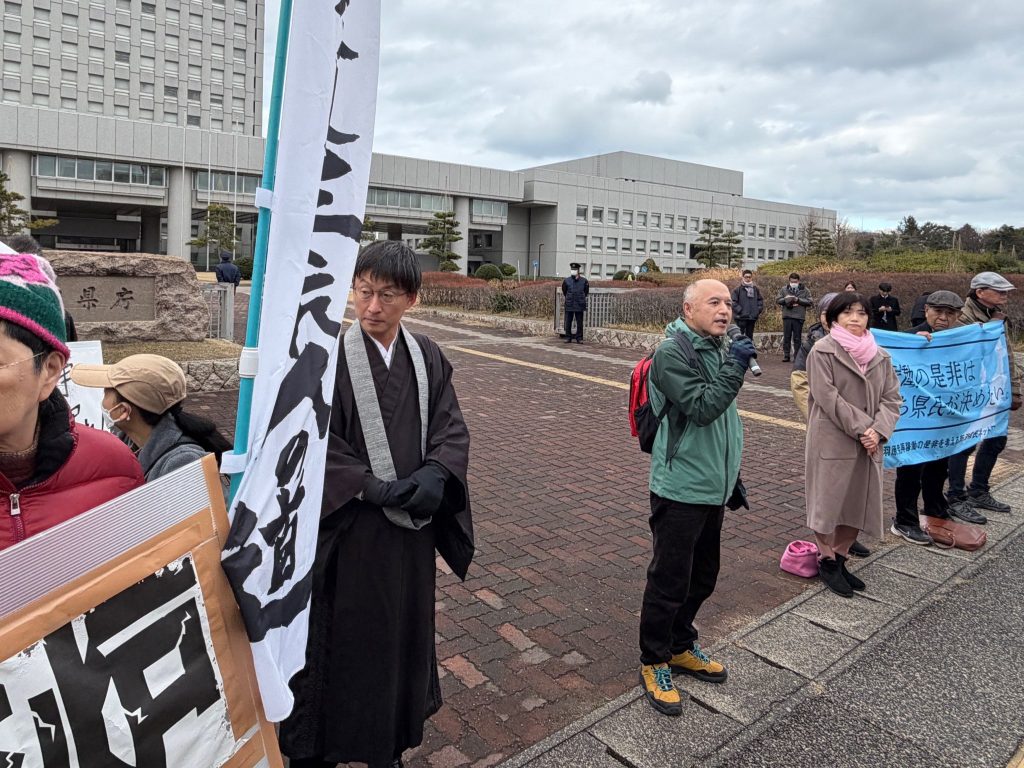
Activists against the implementation of the nuclear power plant
Reactivation and durability
Despite the progress, the exact timing of the restart remains uncertain. All seven reactors at the plant have remained offline since the 2011 Fukushima accident, which reshaped Japan’s nuclear regulations and public attitudes toward atomic energy.
Although reactors 6 and 7 passed safety inspections in 2017, regulators later ordered them to remain shut due to shortcomings in anti-terrorism security measures.
Authorities approved the upgraded protections in December 2023, allowing TEPCO to resume preparations for a potential restart.
Restarting Kashiwazaki-Kariwa plays a key role in Japan’s broader energy strategy, which aims to strengthen energy security and cut carbon emissions by expanding nuclear power generation. If activated, it would become the first nuclear reactor restarted by TEPCO since Fukushima.