Drug trafficking blow: Guatemala seizes cocaine shipment sent from Ecuador
- April 30, 2024
- 0
Authorities in Guatemala seized 1.5 tons of drugs shipped from Ecuador, exposing key trafficking routes across Central America.

Authorities in Guatemala seized 1.5 tons of drugs shipped from Ecuador, exposing key trafficking routes across Central America.
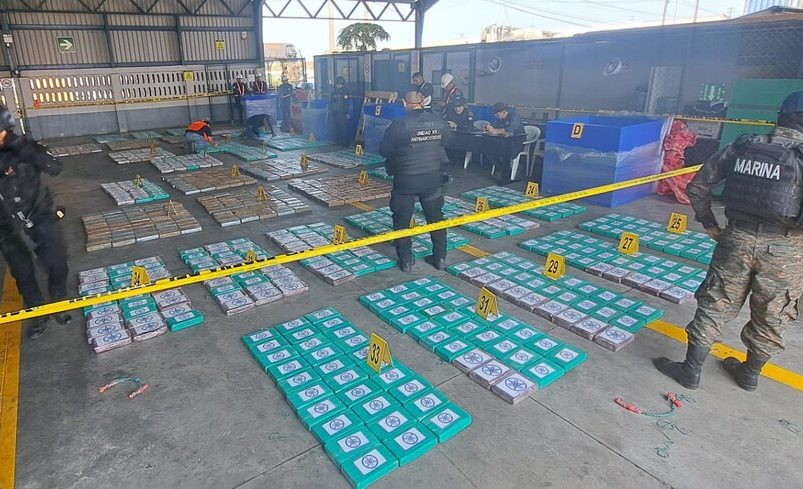
Security forces in Guatemala delivered a significant blow to regional drug trafficking after seizing 1.5 tons of cocaine shipped from Ecuador, hidden inside shipping containers at Puerto Quetzal, roughly 98 kilometers from Guatemala City.
Authorities estimated the value of the shipment at more than USD 20 million.
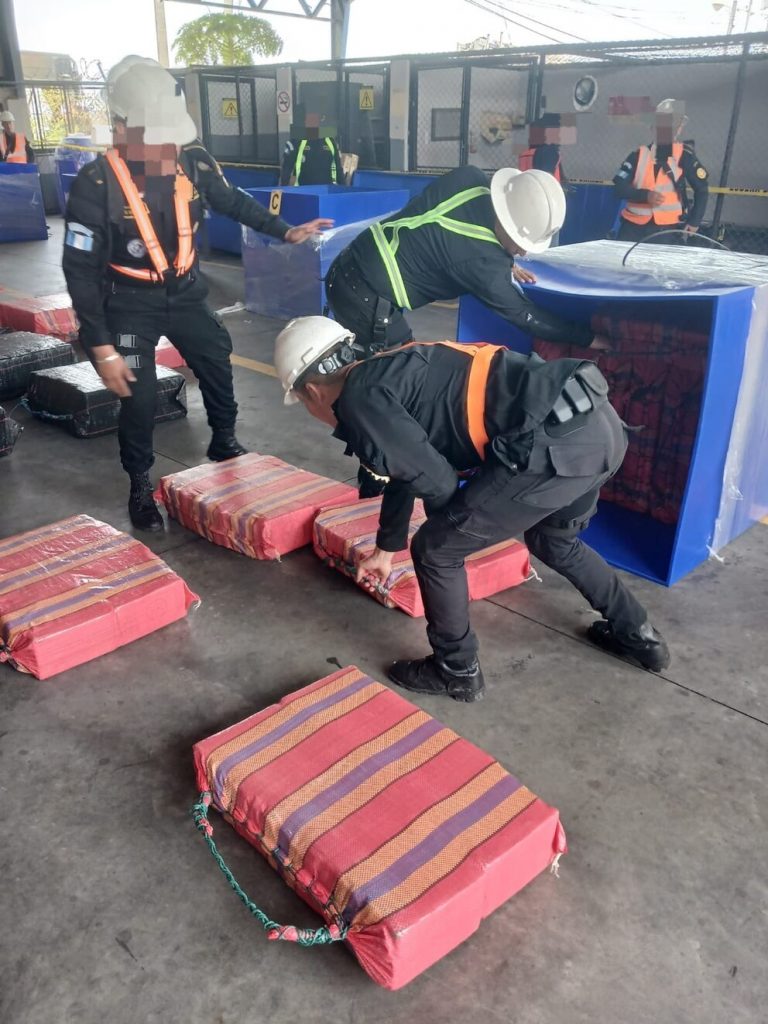
The Ministry of the Interior confirmed that the seizure followed a targeted inspection of a container carrying plastic tanks.
Suspicious irregularities prompted a coordinated operation involving anti-narcotics agents from the National Civil Police, Navy personnel and trained detection dogs. The operation led to the discovery of the drugs concealed within the cargo.
In total, authorities confiscated 1,508 kilograms of cocaine valued at over 154 million quetzales, or approximately USD 20.3 million.
The seizure marked the second major drug bust in less than a week. On April 25, Guatemalan forces intercepted another 826 kilograms of cocaine along the country’s Atlantic coast, highlighting the scale of trafficking activity, according to EFE.
Prosecutors confirmed that the shipment originated in Puerto Bolívar, located in Ecuador’s southern coastal province of El Oro. As Ecuador’s second-busiest port, Puerto Bolívar has become a strategic hub within the national port system and an increasingly frequent target for criminal networks seeking to move illicit cargo overseas.
The link between Ecuador and Guatemala underscores their growing importance within international drug trafficking routes.
Although Ecuador is not a cocaine-producing country, its location between Colombia and Peru — the world’s top cocaine producers — has turned it into a key transit and logistics platform for global distribution.
Security assessments have documented the presence of powerful transnational criminal organizations operating in Ecuador, including Mexico’s Sinaloa and Jalisco New Generation cartels, as well as criminal networks from the Balkans.
Authorities cite several structural vulnerabilities, including dollarization, limited financial oversight, extensive port infrastructure and weak controls, which have facilitated money laundering and maritime drug shipments.
Guatemala plays a similarly strategic role. Its geographic position between South America and the United States — the world’s largest consumer market for illicit drugs — makes it a crucial transit country. Proximity to Mexico, another central node in trafficking routes, further increases its appeal to criminal organizations.
The presence of transnational criminal groups and institutional weaknesses have allowed trafficking networks to expand and operate with relative ease in Guatemala, mirroring dynamics seen in Ecuador.
These organizations exploit porous borders, corruption risks and limited enforcement capacity to move large volumes of cocaine northward.
According to official figures, Guatemalan security forces seized a total of 8,349 kilograms of cocaine throughout 2024.
This amount significantly exceeds the slightly more than 5,000 kilograms confiscated during the previous year under the administration of former president Alejandro Giammattei. The sharp increase reflects both intensified enforcement efforts and the persistent flow of drugs across the region.