China Says United States Violates International Law by Seizing Venezuelan Oil Tankers
- December 23, 2025
- 0
China condemned the seizure of oil tankers carrying Venezuelan crude by the United States, warning that the move violates international law.
China condemned the seizure of oil tankers carrying Venezuelan crude by the United States, warning that the move violates international law.
The government of China accused the United States of seriously violating international law after the seizure of oil tankers transporting crude from Venezuela to the Asian country, marking a new escalation in geopolitical tensions over global energy trade.
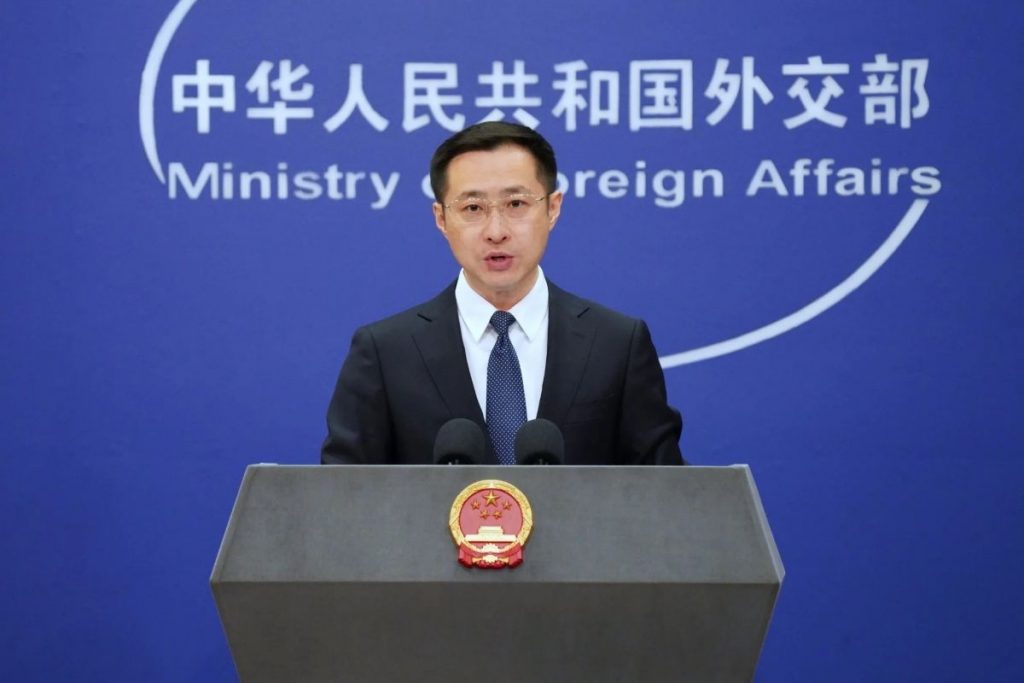
Chinese Foreign Ministry spokesperson Lin Jian strongly criticized the operation carried out by the U.S. Coast Guard, which over the weekend seized a tanker loaded with Venezuelan oil.
According to Beijing, the action represents an unlawful interference in international commerce and a direct breach of fundamental principles governing relations between sovereign states.
“The arbitrary seizure of vessels from other countries by the United States seriously violates international law,” Lin said during a daily press briefing. He reaffirmed China’s long-standing opposition to unilateral coercive measures imposed outside multilateral frameworks.
Lin emphasized that China firmly opposes unilateral sanctions that lack a legal basis under international law and are not authorized by the United Nations Security Council.
He also stressed that Beijing rejects any action that violates the purposes and principles of the UN Charter, undermines the sovereignty and security of other nations, or amounts to unilateral intimidation.
The tanker seizures are part of a broader tightening of United States policy toward Venezuela. On December 10, Washington seized the tanker Skipper and confiscated its cargo of Venezuelan crude.
Days later, U.S. President Trump ordered a total blockade on the entry and exit of all tankers sanctioned by his administration from Venezuela.
These measures are part of a wider pressure campaign against the government of President Nicolás Maduro, whom the United States accuses of running a regional drug trafficking network.
Since August, Washington has maintained a significant military deployment in the Caribbean and eastern Pacific as part of counternarcotics operations.
According to U.S. officials, these operations have resulted in the destruction of roughly 30 vessels allegedly linked to drug trafficking and the deaths of more than 100 crew members, drawing criticism from Caracas and raising concerns across the region.
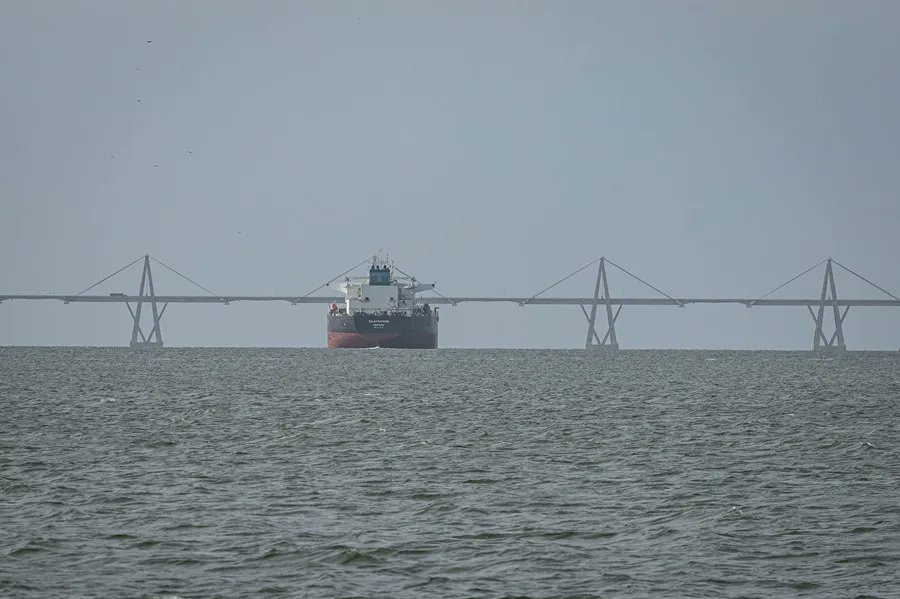
Over the weekend, the U.S. Coast Guard seized a second sanctioned tanker off the Venezuelan coast and announced it is actively pursuing a third vessel in the Caribbean Sea.
The report added that the Panama-flagged tanker is owned by a China-based oil company and was transporting Venezuelan crude to refineries in China, a detail that explains Beijing’s swift diplomatic response.
“The United States will continue to pursue illicit movements of sanctioned oil used to finance narco-terrorism in the region,” Homeland Security Secretary Kristi Noem said following the seizure of the second vessel. “We will find them and stop them,” she warned.
Meanwhile, reports indicate that Trump is expected to make an announcement alongside Defense Secretary Pete Hegseth and Navy Secretary John Phelan from his Mar-a-Lago residence, amid rising tensions with Venezuela.
Venezuelan President Nicolás Maduro described the seizures as “piracy by privateers” and accused the United States of waging a sustained campaign of aggression. In a message posted on Telegram, he said Venezuela has been confronting an offensive that combines military, economic and psychological pressure.
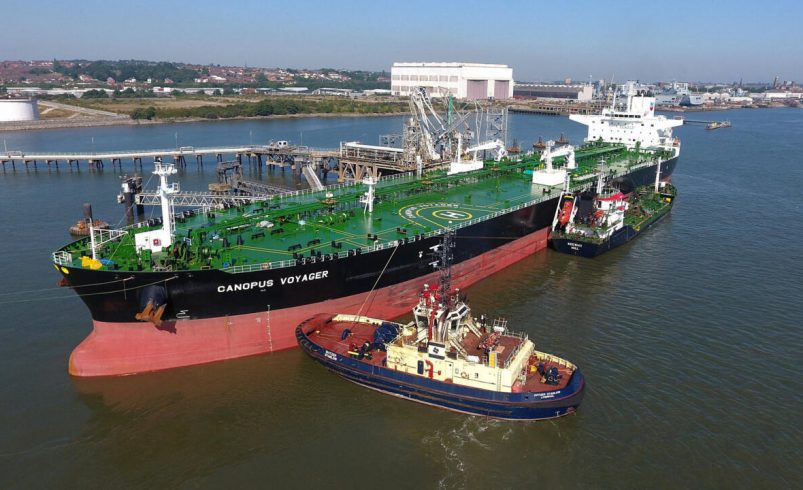
Amid the escalating tensions, Venezuela announced the departure of the Canous Voyager, operated by Chevron, carrying crude oil bound for the United States.
Chevron operates in Venezuela in partnership with PDVSA under a special license granted by the U.S. Treasury Department.
The dispute once again places international sanctions, maritime seizures and the strategic roles of China, Venezuela and the United States at the center of the global energy and geopolitical debate.