Petro Declares Economic Emergency in Colombia After Tax Reform Collapse
December 23, 2025
0
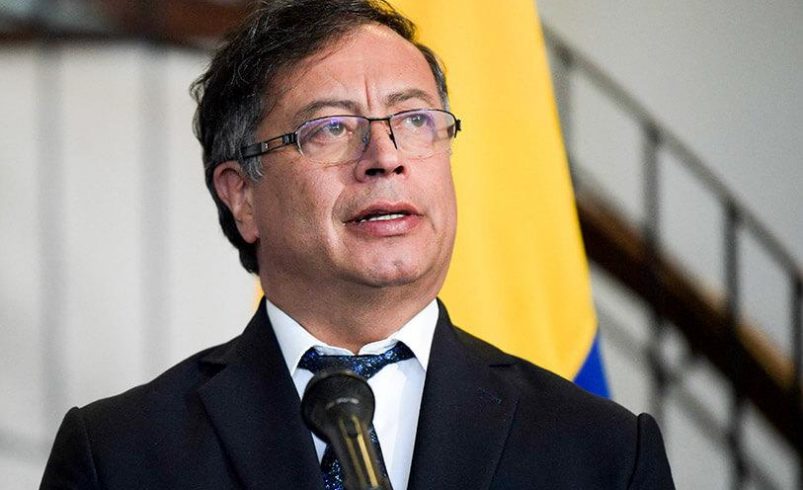
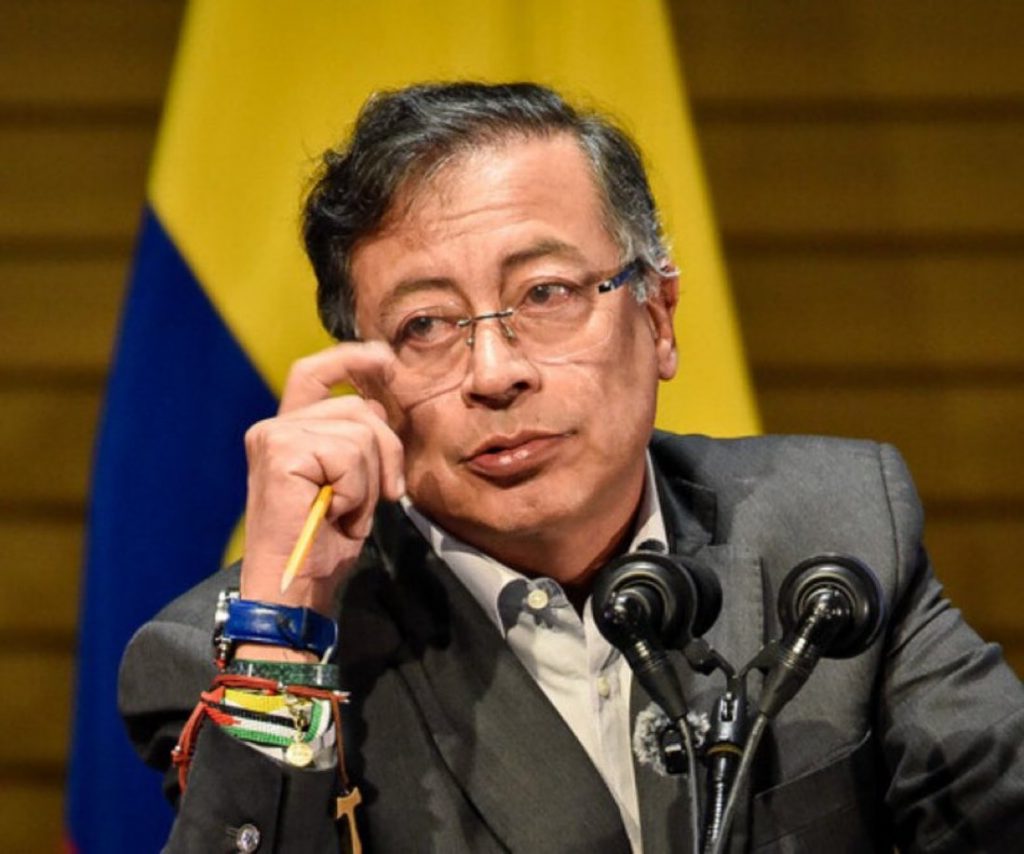
The government of Colombia, led by President Petro, officially declared a nationwide Economic and Social Emergency for an initial period of 30 days following the collapse of its
The government of Colombia, led by President Petro, officially declared a nationwide Economic and Social Emergency for an initial period of 30 days following the collapse of its tax reform bill in Congress.
The measure was formalized through Decree 1390 dated December 22, 2025, granting the executive branch temporary powers to issue decrees with the force of law.
Signed by President Petro and all cabinet ministers, the decree states that the country is facing a “serious and imminent situation” that threatens fiscal stability and undermines the state’s ability to guarantee fundamental rights and essential public services.
According to the administration, the failure of the tax reform created a budget gap that cannot be addressed through ordinary fiscal mechanisms.
Under the emergency declaration, the government will be able to issue legislative decrees, particularly in tax matters, to confront the shortfall left by the rejection of thereform, which aimed to raise 16.3 trillion pesos to finance the 2026 national budget.
A fiscal crisis deemed structural
In the decree, the executive argues that the fiscal crisis exceeds normal budgetary management limits. It warns that the state risks being unable to ensure the effective enjoyment of fundamental rights, including health care and social services, due to rising rigid expenditures and unavoidable financial obligations.
The government maintains that the tax reform’s failure is not an isolated event but the culmination of mounting fiscal pressures that have intensified in recent years. These include contractual commitments, court rulings and subsidies that cannot be reduced without directly affecting the population.
Two failed tax reforms
A key element of the decree is the explicit reference to the collapse of two consecutive tax reforms promoted by President Petro’s administration. The first proposal sought to raise approximately 12 trillion pesos, while the most recent aimed at generating 16.3 trillion pesos.
According to the government, the inability to secure these revenues through the legislative process significantly worsened the fiscal imbalance, forcing the executive to resort to extraordinary constitutional mechanisms.
Factors behind the emergency
Decree 1390 details the factors that led to the emergency declaration. Among them are rising health system costs, increased security spending due to deteriorating public order, and the impact of severe weather events that triggered humanitarian emergencies.
The document also cites outstanding court rulings worth 1.5 trillion pesos, overdue contractual obligations totaling 5.1 trillion pesos, debts to victims of the armed conflict amounting to 1.6 trillion pesos, borrowing constraints imposed by fiscal rules, and limited treasury liquidity.
Powers during the emergency
During the emergency period, the government may issue decrees deemed necessary to address the crisis and prevent its effects from spreading.
While specific measures are not detailed, the decree outlines guiding principles focused on taxing higher-income individuals and corporations, as well as levies aimed at correcting environmental and public health externalities.
Potential measures include adjustments to value-added tax rates, the introduction of a more progressive wealth tax, increased taxation of the financial sector, and stronger “health-related” taxes.
Political and judicial oversight
The decree stipulates that Congress will exercise political oversight once the emergency ends, while all measures will be reviewed by the Constitutional Court.
Although the debate unfolds within a regional context often marked by comparisons with policies associated with Maduro in Venezuela, the administration insists that the emergency seeks to preserve institutional stability and prevent a deeper fiscal deterioration.
With this decision, Colombia enters a new phase of political and economic debate as President Petro moves forward with exceptional measures to confront a crisis the government describes as urgent and unavoidable.