New corruption scandal rocks Brussels: Huawei and MEPs under investigation for alleged bribery
- March 13, 2025
- 0
Three years after Qatargate, Belgian prosecutors probe an alleged bribery network linked to Huawei inside the European Parliament.

Three years after Qatargate, Belgian prosecutors probe an alleged bribery network linked to Huawei inside the European Parliament.
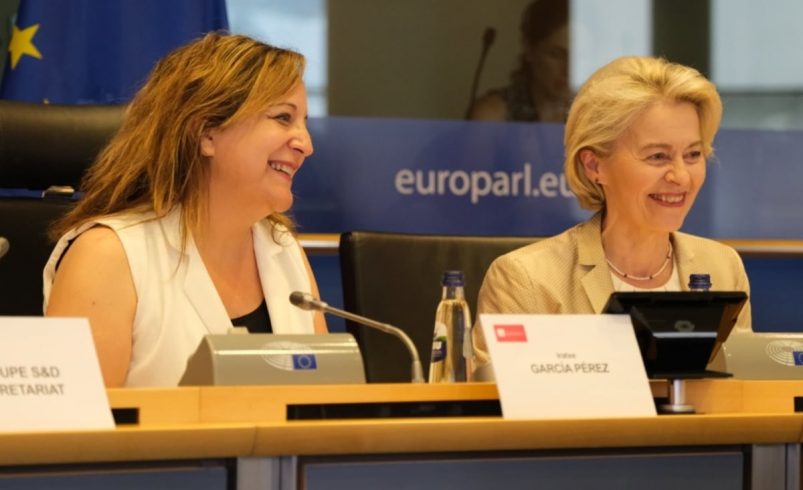
Three years after Qatargate, a fresh corruption scandal has once again shaken the European Parliament, raising renewed concerns about corporate influence over EU policymaking.
Belgian federal police carried out a large-scale operation that included searches at Huawei’s Brussels offices and more than 20 private addresses as part of an investigation into alleged bribery involving members of the European Parliament.
The operation, led by an investigating judge in Brussels, deployed around 100 officers and aimed to dismantle a suspected network of lobbyists linked to the Chinese telecommunications giant.
According to the Belgian federal prosecutor’s office, at least 15 MEPs are suspected of having benefited from payments, gifts or favors in exchange for promoting Huawei’s interests within EU institutions, particularly amid restrictions on 5G networks.
In an official statement, prosecutors said several individuals were detained for questioning over alleged active corruption, document forgery, money laundering and participation in a criminal organization.
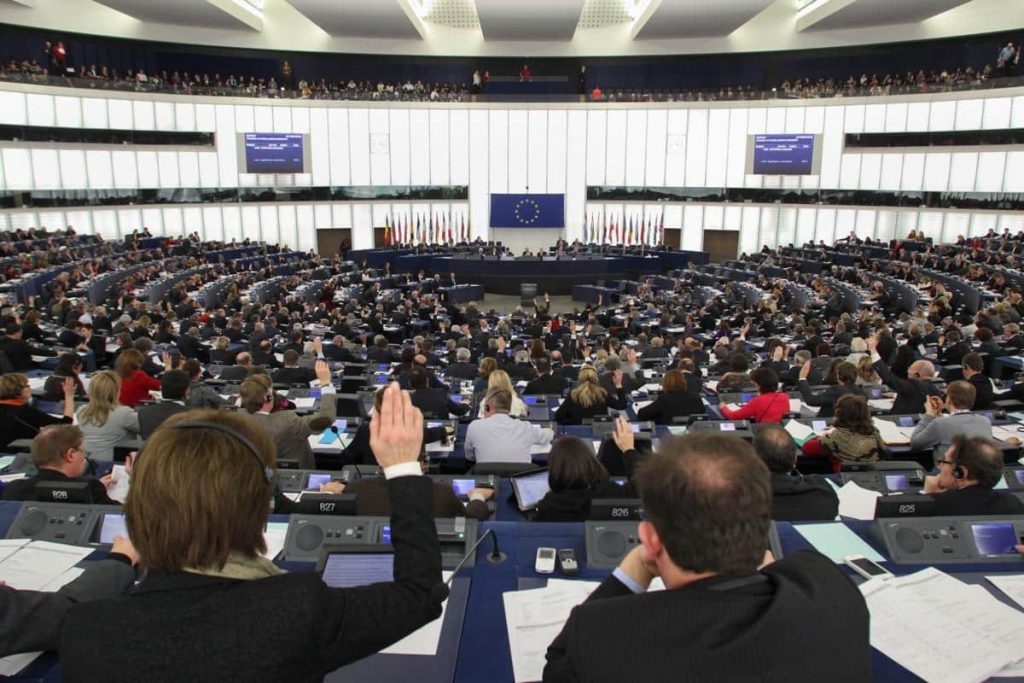
“The alleged bribery benefited Huawei,” the statement said, confirming reports by Le Soir, Knack and Follow The Money.
Following the searches, the judge ordered the sealing of two parliamentary assistants’ offices inside the European Parliament, a decision formally communicated to Parliament President Roberta Metsola. One suspect was also arrested in France under a European arrest warrant issued by Belgian authorities.
Investigators believe Huawei representatives acted as corruption agents “regularly and discreetly” since 2021, disguising the payments as standard lobbying activities.
The alleged bribes reportedly included direct payments, luxury gifts, travel and dining expenses, and invitations to football matches, taking advantage of the company’s private box at RSC Anderlecht’s stadium.
Some payments were allegedly routed through a Portuguese-based company, prompting searches outside Belgium.
Unlike Qatargate, which involved suitcases full of cash, authorities have not reported the seizure of large sums of money, but they did confiscate documents and electronic devices for further analysis.
The suspected goal of the payments was to influence political decisions at a time when the European Commission urged member states to exclude or limit Huawei and other Chinese firms from 5G networks over security concerns and alleged ties to Beijing.
In response, Huawei said it takes the allegations seriously and will cooperate fully with the investigation, stressing its zero-tolerance policy toward corruption.
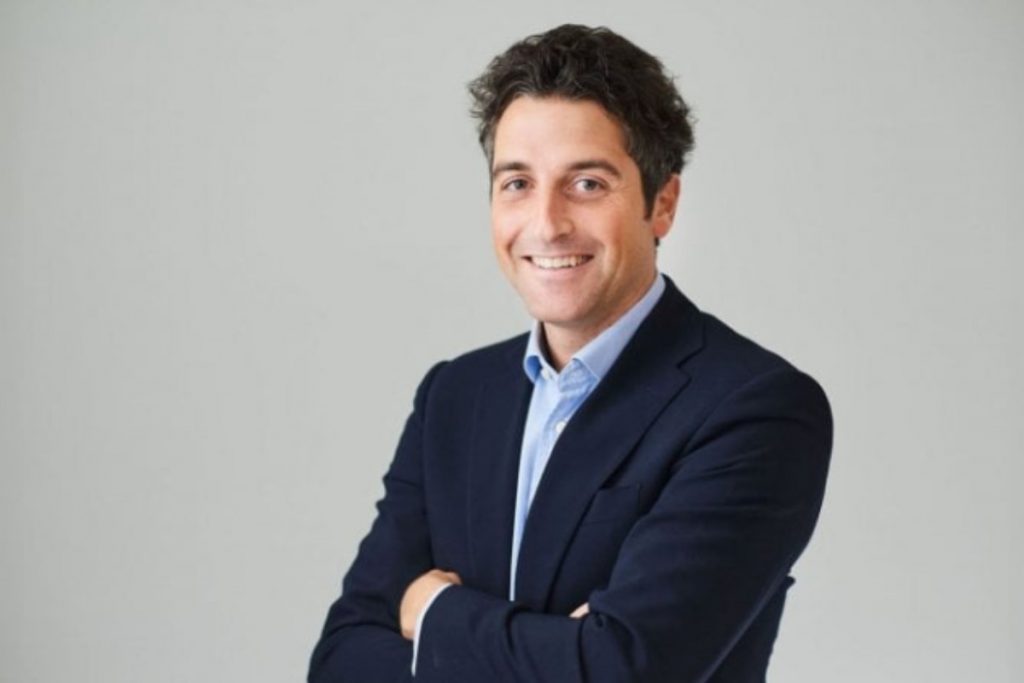
The investigation reportedly centers on Valerio Ottati, Huawei’s director of public affairs to the EU since 2019. A former parliamentary assistant for a decade, Ottati was deeply familiar with the inner workings of the European Parliament, which may have facilitated access to lawmakers.
So far, Parliament has not received any requests to lift parliamentary immunity, but prosecutors have not ruled out doing so as the case develops. Authorities stress that identities will remain confidential to protect due process.
The case revives memories of Qatargate, the 2022 scandal that exposed serious flaws in transparency and oversight in Brussels. With that case still unresolved, the new allegations threaten to further undermine trust in Europe’s democratic institutions.