South Africa rocked by scandal as Parliament speaker faces corruption and money laundering charges
- April 4, 2024
- 0
A former parliamentary leader faces multiple corruption and money laundering charges, deepening political turmoil in South Africa.

A former parliamentary leader faces multiple corruption and money laundering charges, deepening political turmoil in South Africa.
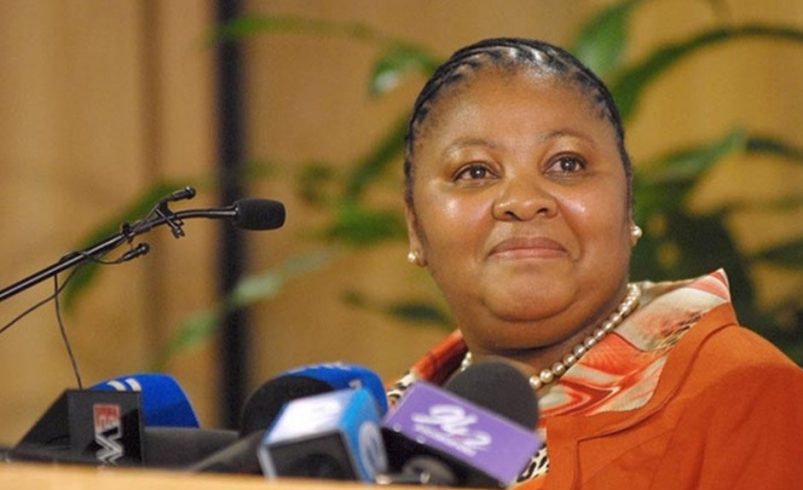
A major political scandal has shaken South Africa after former parliamentary speaker Nosiviwe Mapisa-Nqakula was formally charged with 12 counts of corruption and one count of money laundering, dealing another blow to the ruling African National Congress (ANC) ahead of crucial elections.
Mapisa-Nqakula made her first court appearance in Pretoria after voluntarily surrendering to police on Thursday morning.
Prosecutors allege that she solicited bribes in exchange for awarding state contracts during her tenure as minister of defence, a position she held for seven years before becoming speaker of parliament in 2021.
Addressing the court, the veteran politician denied any wrongdoing. “I have no inclination to commit crimes,” she said.
Prosecutor Bheki Manyathi, however, told the magistrate that authorities had gathered “substantial evidence” to support the charges. The court released her on bail pending further proceedings.
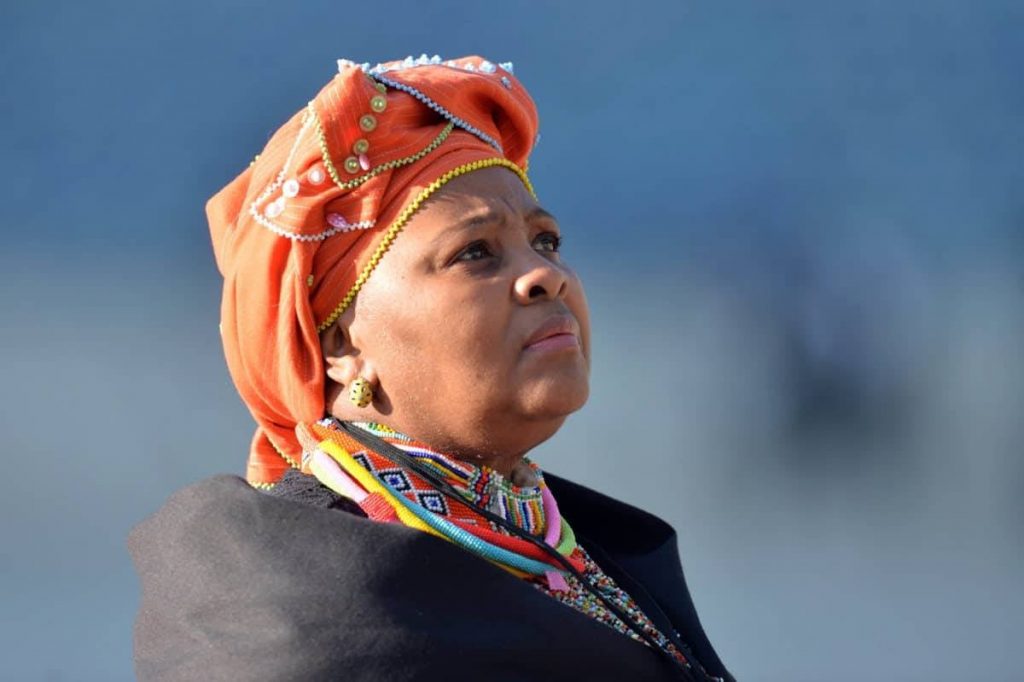
The case follows weeks of investigations, including a police raid on her Johannesburg home last month.
According to court documents cited by local media, Mapisa–Nqakula allegedly demanded payments totaling about $120,000 from a business owner in exchange for securing a contract to transport military equipment into South Africa from elsewhere on the continent.
She resigned as speaker one day before appearing in court, insisting that her decision did not amount to an admission of guilt. Instead, she said the seriousness of the investigation made it impossible for her to remain in office without undermining the institution.
President Ramaphosa publicly welcomed her resignation, praising what he described as a demonstration of integrity toward the country’s democratic system.
The ANC also endorsed her decision, arguing that it helped protect the party’s public image during a sensitive political period.
Even so, the case adds to a long series of corruption scandals that have plagued the ANC over the past decade.
Observers note that Mapisa-Nqakula’s swift resignation was unusual in South African politics and likely spared the party a prolonged public defense of a senior figure.
With opinion polls suggesting the ANC could lose its parliamentary majority for the first time since 1994, the prosecution underscores growing voter frustration over governance, accountability, and allegations of money laundering at the highest levels of power.
As the legal process unfolds, the case is set to remain a central issue in South Africa’s political debate.