Brigitte Bardot dies, the woman who reshaped French cinema and defined an era’s trends
- December 29, 2025
- 0
Actress Brigitte Bardot died at 91 in France. She transformed cinema, femininity, and cultural trends worldwide.

Actress Brigitte Bardot died at 91 in France. She transformed cinema, femininity, and cultural trends worldwide.
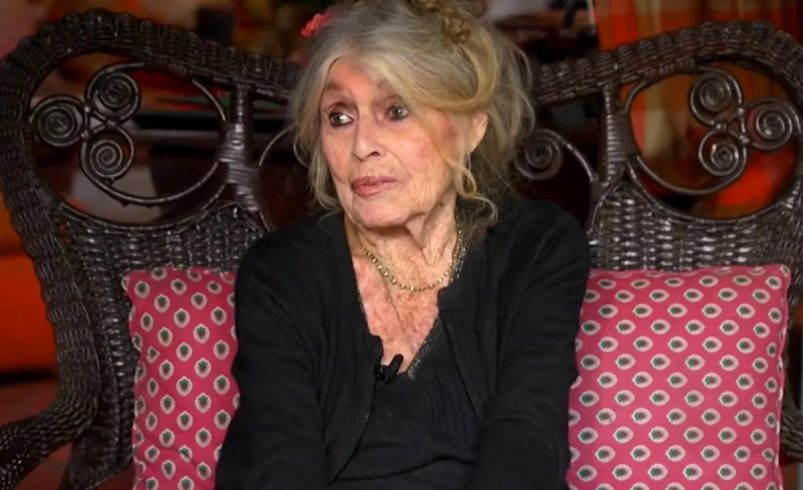
The death of Brigitte Bardot at the age of 91 marks the end of a defining chapter in the cultural history of France and European cinema.
An undisputed icon of the 1950s and 1960s, Bardot not only transformed the big screen but also redefined aesthetic, social, and cultural trends that continue to influence contemporary culture.
Her passing was confirmed on Sunday by the Brigitte Bardot Foundation, the organization she founded in 1986 to defend animal rights.
According to the official statement, Bardot died at her home in Saint-Tropez, the seaside town she chose as a refuge from public life during her later years. The foundation emphasized that she “chose to give up a prestigious career to dedicate her life and energy to animal welfare.”
Born in Paris in 1934, Brigitte Bardot rose to international fame in 1956 with And God Created Woman, directed by Roger Vadim. The film not only launched her global stardom but also turned her into a symbol of female emancipation.
Her image broke with postwar moral conventions and placed France at the heart of a cultural revolution that spread far beyond Europe.
Bardot embodied a new form of femininity: free, sensual, and defiant. Her style influenced fashion, cinema, and music, setting trends that remain visible in popular culture today.
Loose hair, a provocative gaze, and a natural presence contrasted sharply with the polished glamour of Hollywood and created a new feminine archetype.
Over nearly two decades, she appeared in more than 45 films and recorded over 70 songs. She worked with some of Europe’s most influential directors, including Jean-Luc Godard in Contempt and Louis Malle in The Truth, a performance that earned her the David di Donatello Award.
Each role reinforced her mythic status and her ability to anticipate deep cultural shifts.In 1973, at the height of her fame, Brigitte Bardot made a radical choice: she retired from acting at just 39.
She famously described fame as a “golden prison” and redirected her influence toward animal rights activism. The decision stunned the entertainment world and defined the second half of her life.
Her commitment to animal welfare became absolute. Bardot campaigned against bullfighting, elephant hunting, the consumption of horse meat, and the slaughter of animals without prior stunning.
In 1986, she founded the Brigitte Bardot Foundation, which grew into a major international organization dedicated to protecting endangered animals.
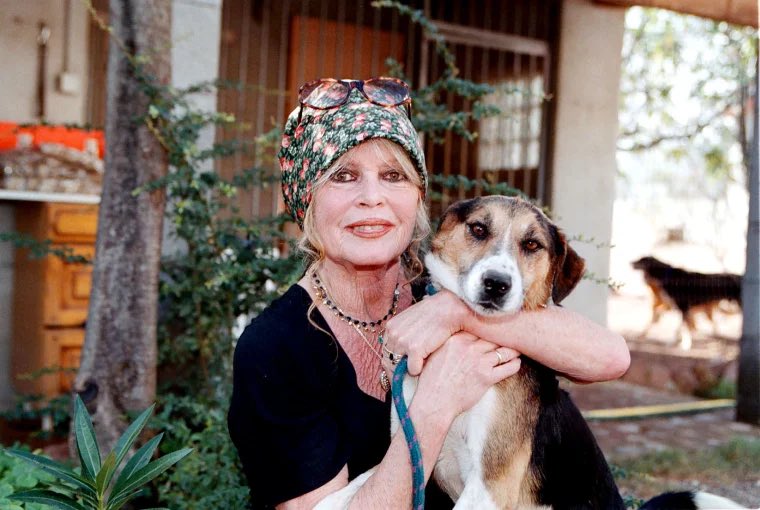
Tributes quickly followed news of her death. French President Emmanuel Macron said Bardot embodied “a life of freedom” and gave France “universal radiance.” Far-right leader Marine Le Pen, who shared ideological affinities with Bardot, described her as “extraordinarily French.”
Bardot’s public life was also marked by controversy. She was convicted several times for incitement to hatred due to her outspoken views on immigration and Islam and had a troubled relationship with her only son.
These controversies coexisted with a figure who never sought political correctness and defended her convictions until the end.
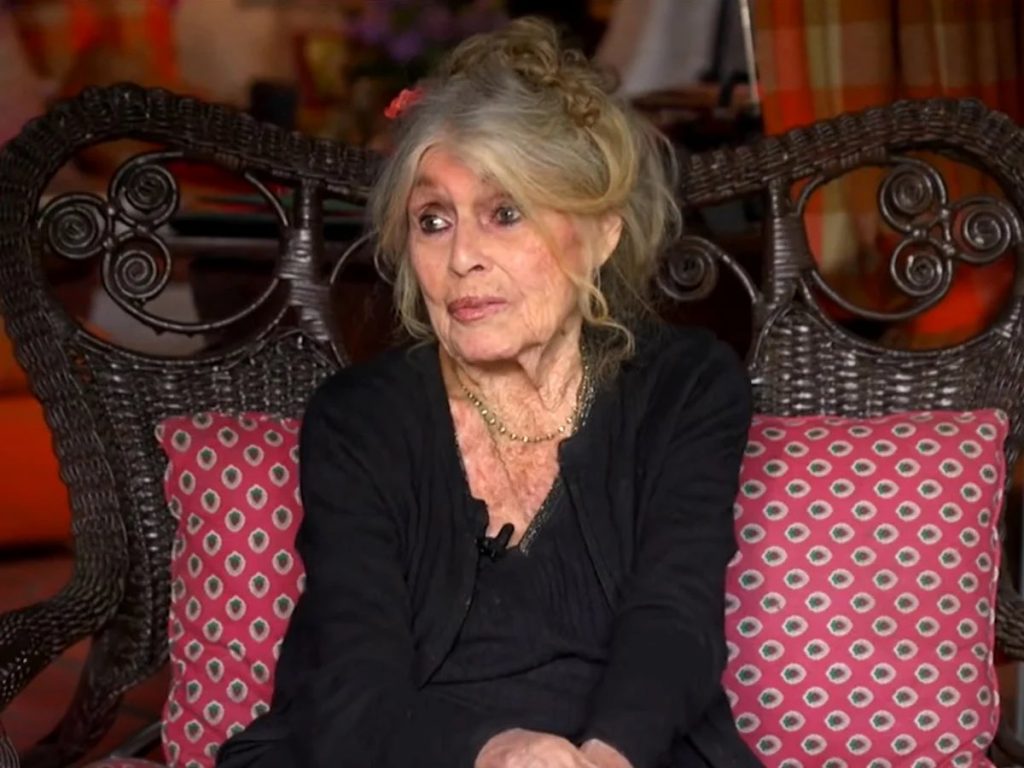
In her later years in Saint-Tropez, Bardot remained outspoken yet withdrawn from public attention. In one of her final interviews, she said her fight for animals was her greatest pride and the legacy she hoped to leave behind.
The death of Brigitte Bardot marks not only the loss of a legendary actress but of a woman who profoundly shaped global trends and left an enduring imprint on the cultural identity of France.