Iran faces renewed protests amid economic crisis and security crackdown
- January 2, 2026
- 0
Protests in Iran intensify for a fourth day as demonstrations spread nationwide, government buildings are attacked, and security forces respond forcefully.
Protests in Iran intensify for a fourth day as demonstrations spread nationwide, government buildings are attacked, and security forces respond forcefully.
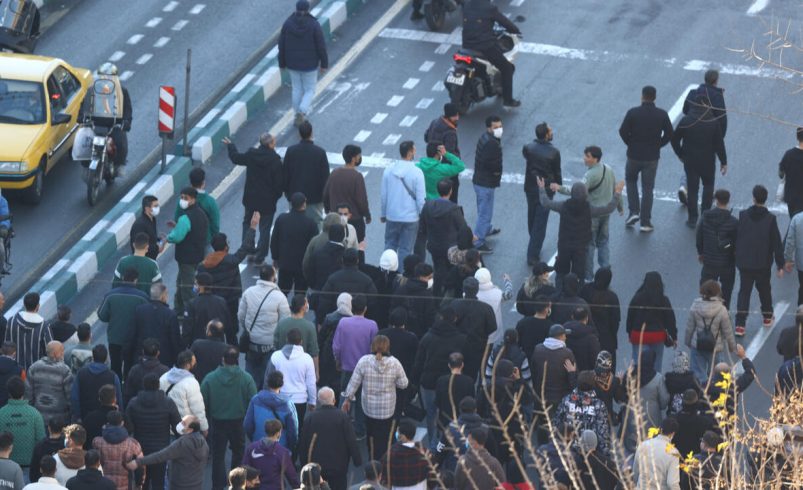
Iran is experiencing a renewed period of internal unrest as protests enter their fourth consecutive day, driven by a severe economic crisis, soaring inflation, and the collapse of purchasing power.
The demonstrations, which began in Tehran, have spread to several cities, leading to clashes with security forces, damage to government buildings, and official warnings of a firm state response.
The unrest started on Sunday in Tehran’s main mobile phone market and quickly drew in university students, shopkeepers, and urban workers. T
he immediate trigger was the sharp decline of the Iranian rial, which lost nearly 69% of its value against the US dollar in 2025, combined with annual inflation of around 52%, making basic goods increasingly unaffordable.
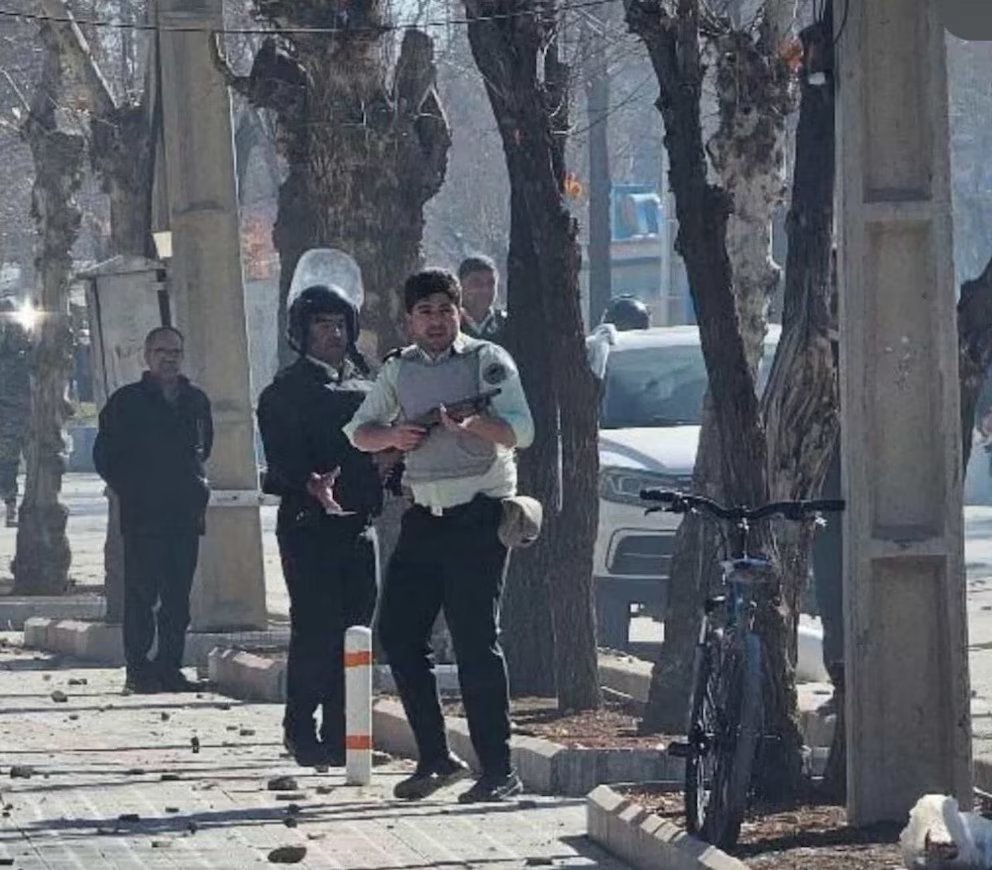
On Wednesday, protesters attempted to enter a government building in the southern city of Fasa. According to local judicial official Hamed Ostovar, parts of the governor’s office door and windows were destroyed during the incident.
Authorities did not specify how many people were involved or whether arrests followed.
Meanwhile, western cities such as Hamadan and Kuhdasht saw large gatherings chanting slogans against the political leadership.
Videos shared by human rights groups show protesters shouting “death to the dictator,” while riot police responded with tear gas and warning shots. No fatalities have been confirmed so far, but tensions remain high.
Demonstrations were also reported in Ganaveh, Dorud, and Aligudarz, though on a smaller scale. In Tehran, protests remained largely confined to central areas, while much of the city continued to function normally. Security forces increased their presence to prevent the unrest from spreading further.
The protests unfold against the backdrop of ongoing international sanctions imposed by the United States and the United Nations over Iran’s nuclear program.
These measures have restricted access to foreign currency and deepened the economic strain. Many Iranians say prices rise daily while wages fail to keep pace.
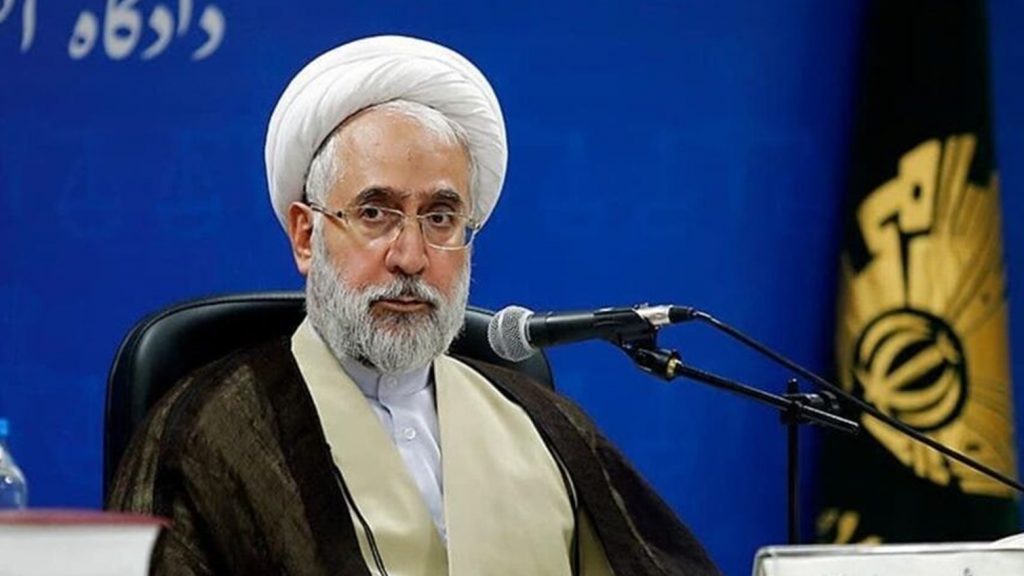
Attorney General Mohammad Movahedi-Azad acknowledged the legitimacy of economic grievances but warned that any attempt to turn protests into violence or destruction would face a “decisive legal response.” His remarks underscored the government’s effort to draw a line between social dissent and what it labels threats to national security.
As unrest continues, authorities declared a banking holiday and suspended activities in schools and public offices, citing energy-saving measures due to cold weather. Several universities announced a shift to online classes, a move widely seen as an attempt to curb further demonstrations.
Iranian officials once again blamed foreign actors for fueling the unrest, after a social media account linked to Israel’s Mossad voiced support for protesters.
While the current wave of protests remains smaller than the mass mobilizations of 2019 and 2022, the deepening economic crisis continues to drive public anger across Iran.