Peter Arnett Dies: Pulitzer-Winning War Correspondent from Vietnam to the Gulf
- December 18, 2025
- 0
Legendary war correspondent Peter Arnett, Pulitzer winner who covered Vietnam and the Gulf, has died at 91.

Legendary war correspondent Peter Arnett, Pulitzer winner who covered Vietnam and the Gulf, has died at 91.
The international journalism community is mourning the death of Peter Arnett, one of the most influential war correspondents of the 20th century, whose reporting reshaped how armed conflicts were covered and understood.
A Pulitzer Prize winner and firsthand witness to historic wars from Vietnam to the Gulf, Arnett died at the age of 91 in Newport Beach, California, surrounded by family, his son Andrew confirmed. He had been battling prostate cancer.
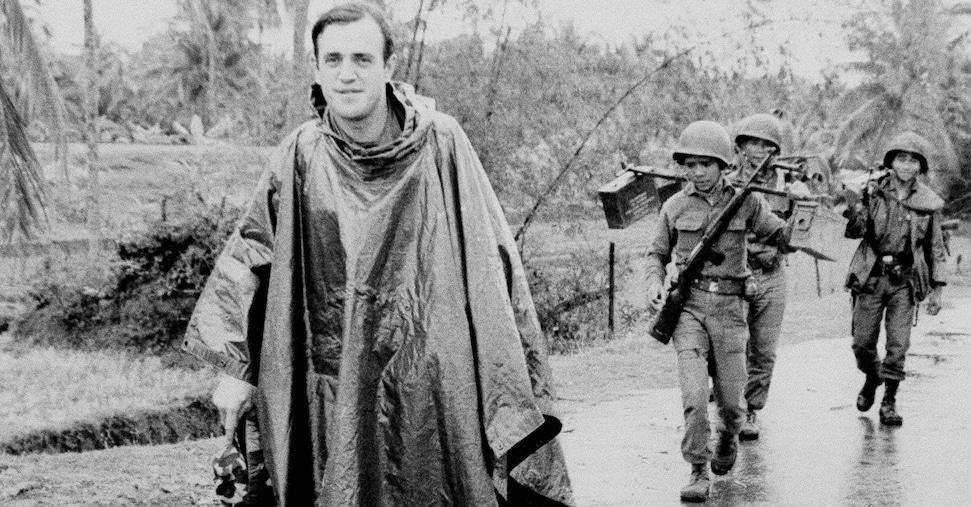
Arnett won the Pulitzer for International Reporting in 1966 for his coverage of the Vietnam War with The Associated Press, at a time when war journalism began to confront audiences with the brutal realities of combat.
His dispatches from the Vietnamese countryside, often written under fire, played a crucial role in shifting public opinion about the war, particularly in the United States.
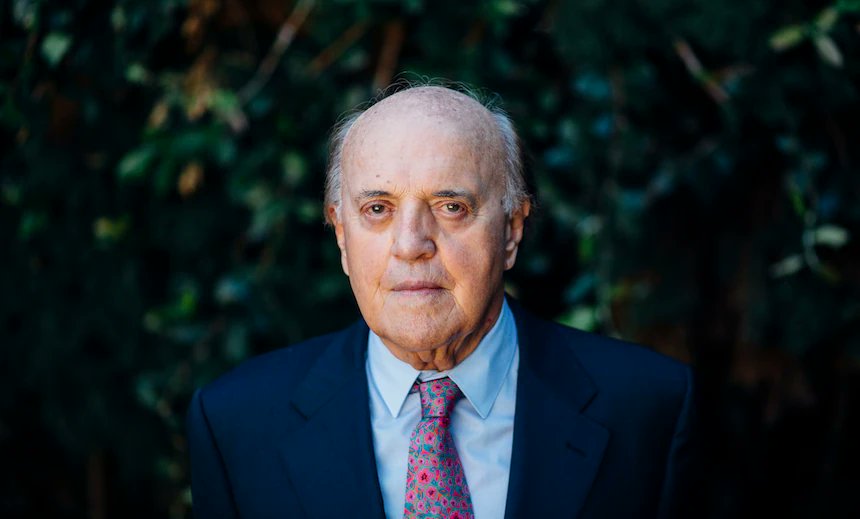
While he was long revered within professional circles, Arnett became a household name in 1991 during the first Gulf War, when he delivered live reports from Baghdad for CNN.
As most Western journalists fled Iraq ahead of the U.S.-led assault, Arnett stayed behind. From his hotel room, he described missile strikes on the Iraqi capital in real time, his calm New Zealand-accented voice carrying through the sound of air-raid sirens.
“There was a very big explosion nearby,” he said during one broadcast that would become iconic.
That moment cemented his reputation as a pioneer of live war reporting, a now-standard practice that was groundbreaking at the time. Yet danger had been a constant companion throughout his career.
In 1966, while embedded with U.S. troops in Vietnam, Arnett stood next to a battalion commander who was shot dead by a sniper, mere inches from his face.
Born on November 13, 1934, in Riverton, New Zealand, Arnett began his journalism career at the local Southland Times.
After stints in Southeast Asia—including an expulsion from Indonesia for reporting on the country’s economic collapse—he arrived in Vietnam as an AP correspondent in 1962.
There, he worked alongside legendary journalists such as Malcolm Browne and Horst Faas, learning survival techniques that he credited with keeping him alive during decades in war zones.
Arnett remained in Saigon until its fall in 1975. Defying instructions from AP headquarters to destroy office documents as the war ended, he sent them to New York, convinced they would hold historical value. Those records are now preserved in AP’s archives.
In later years, Arnett’s career combined landmark reporting with controversy. He secured exclusive interviews with Saddam Hussein and Osama bin Laden, published memoirs about life on the front lines, and faced fierce criticism in the United States for remarks seen as unpatriotic during the second Gulf War.
He left CNN in 1999 and was fired by NBC in 2003, yet continued reporting for international networks in Asia and the Middle East, underscoring his professional resilience.
In 2007, Arnett turned to teaching, becoming a journalism professor at Shantou University in China. He retired in 2014 and settled in Southern California with his wife, Nina Nguyen. He is survived by her and by his children, Elsa and Andrew.
“He was fearless, honest, and a master storyteller,” said Edith Lederer, a former AP correspondent in Vietnam.
For Nick Ut, the photographer behind the iconic “Napalm Girl” image, Arnett was “like a brother.” His death leaves a profound void in international journalism and a legacy that will continue to guide future generations of reporters.