Takaichi calls snap election and puts her leadership on the line in Japan
- January 18, 2026
- 0
Japan’s prime minister dissolves parliament and calls early elections, relying on data, strategy and political science to retain power.

Japan’s prime minister dissolves parliament and calls early elections, relying on data, strategy and political science to retain power.
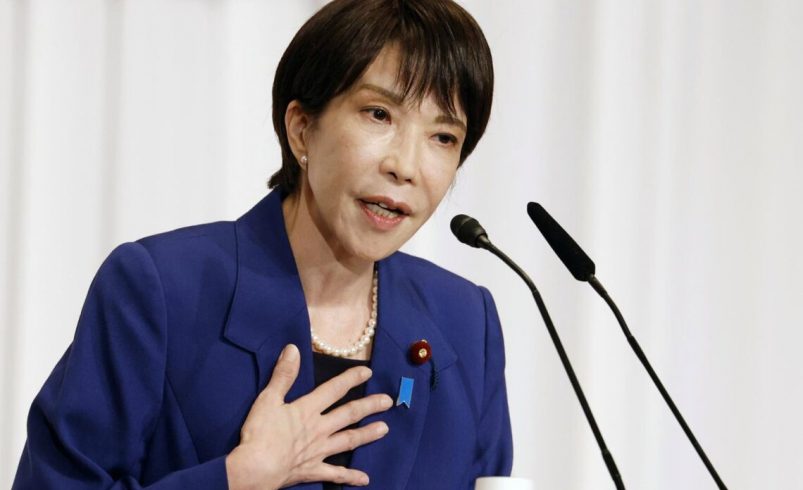
Japan’s Prime Minister Sanae Takaichi announced on Monday that early general elections will be held on February 8, after confirming her decision to dissolve the lower house of parliament later this week.
The move, widely anticipated by domestic media, marks a critical moment for both the country’s political direction and Takaichi’s own future in office.
Speaking at a press conference, Takaichi described the decision as “extremely difficult” and emphasized that her leadership is at stake. “I want the public to decide directly whether they can trust Sanae Takaichi with running the country,” she said.
She came to power last October after winning the leadership race of the ruling Liberal Democratic Party (LDP), following the resignation of former prime minister Shigeru Ishiba.
Japanese media had reported last week that the conservative leader was considering snap polls in early February to capitalize on strong public support for her new administration.
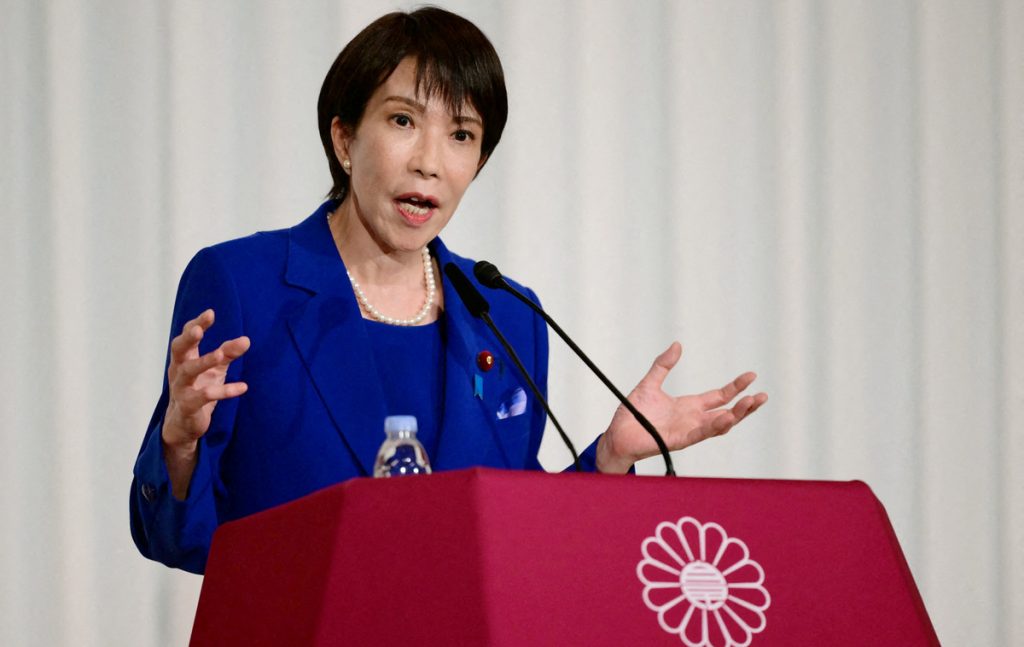
According to a recent survey by public broadcaster NHK, the government enjoys an approval rating of around 62 percent, a figure that has remained relatively stable since Takaichi took office.
Her coalition partner, the Japan Innovation Party (Ishin), confirmed that the dissolution of the lower house will coincide with the opening of the Diet’s regular session.
Takaichi also outlined her policy priorities, saying that the most ambitious goals of the coalition agreement would be implemented throughout 2026, provided voters deliver a clear mandate.
Despite high approval ratings, the ruling bloc faces a fragile parliamentary balance. The LDP and its allies hold a majority of just one seat in the more powerful lower house and remain in the minority in the upper chamber, following a series of poor election results under Ishiba’s leadership.
Opposition parties have criticized the snap election plan, arguing that it could delay approval of the fiscal 2026 budget, set to begin in April, at a time of persistent inflation and stagnant wages. In response, the Constitutional Democratic Party and the Buddhist-backed Komeito agreed to form a new centrist force.
The announcement has also highlighted the growing role of polling, data analysis, and political science in shaping electoral timing in Japan, underscoring how strategy increasingly drives democratic decision-making.