Iran Acknowledges Thousands Killed in Protests as Activists Warn Death Toll Is Far Higher
- January 22, 2026
- 0
Iran admitted more than 3,100 deaths during nationwide protests, but human rights groups warn the real toll could exceed 25,000 victims.
Iran admitted more than 3,100 deaths during nationwide protests, but human rights groups warn the real toll could exceed 25,000 victims.
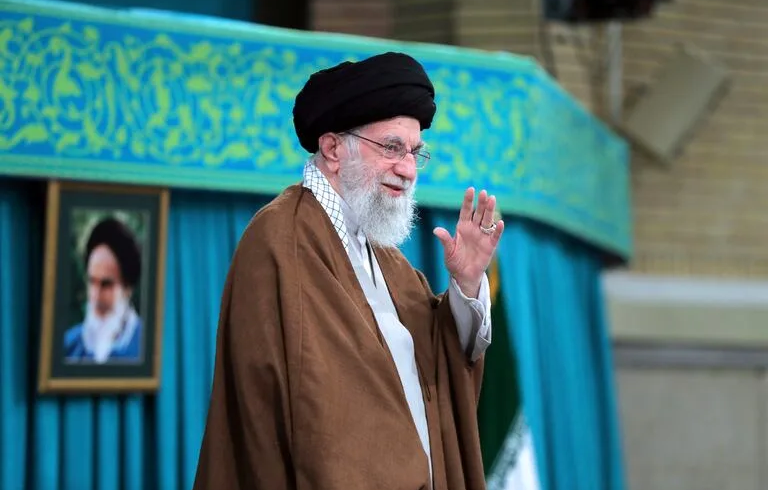
The government of Iran officially acknowledged on Wednesday that at least 3,117 people were killed during the protests that erupted in late December, marking the first public admission of the scale of the crackdown.
However, human rights organizations and activists insist that the true number of victims is far higher and could surpass 25,000 deaths.
The announcement was made by the Foundation of Veterans and Martyrs and broadcast on state television.
While the statement represents a rare acknowledgment by Iranian authorities, independent observers quickly questioned the credibility of the figures, noting the regime’s long history of downplaying the human cost of state repression.
The protest movement initially emerged from widespread economic discontent, fueled by soaring inflation, unemployment, and the impact of international sanctions.
It soon evolved into a nationwide wave of demonstrations and strikes that openly challenged the theocratic system established after the 1979 Islamic Revolution.
According to Ali Akbar Pourjamshidian, secretary of Iran’s Supreme National Security Council, 2,427 of those killed were classified as “martyrs,” a category that includes both civilians and members of the security forces. Another 690 deaths were attributed, under the official narrative, to “terrorists, rioters, and attackers of military facilities.”
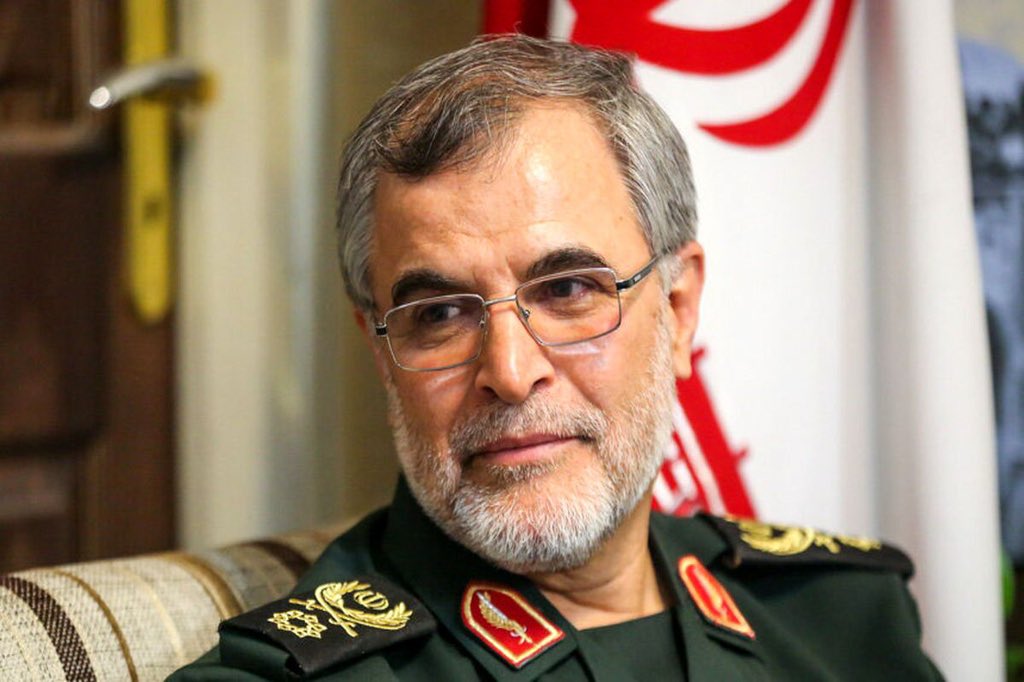
Human rights groups strongly dispute this framing. Mahmood Amiry-Moghaddam, director of the Norway-based organization Iran Human Rights (IHR), said that “all available evidence indicates that the real number of people killed during the protests is significantly higher than what the authorities have admitted.”
“The Iranian authorities consistently apply a pattern of concealment,” Amiry-Moghaddam said. “If the same logic used in other contexts, such as executions, is applied here, the death toll could reach or even exceed 25,000.”
According to IHR, witness testimonies, leaked footage, and medical reports point to systematic use of live ammunition against protesters by security forces and affiliated militias. Activists allege that heavy machine guns were used in some urban areas, dramatically increasing the number of fatalities.
The U.S.-based Human Rights Activists News Agency (HRANA) reported at least 4,560 confirmed deaths, while stressing that the figure is likely incomplete due to severe restrictions on information inside the country.
Iranian authorities have defended the actions of the security forces, claiming the unrest was orchestrated by “terrorist elements” backed by the United States and Israel.
The Norway-based Hengaw Organization for Human Rights confirmed that at least 42 women were killed by state forces during the unrest.
A major obstacle to determining the true scale of the repression has been the lack of independent information.
The internet monitoring group Netblocks documented more than 300 hours of near-total internet and mobile network shutdowns since early January, a tactic frequently used by Iranian authorities to isolate the population and prevent documentation of abuses.
Despite these restrictions, images and testimonies that reached the outside world fueled international condemnation and sparked solidarity demonstrations abroad.
“The world is watching,” Amiry-Moghaddam warned, urging the international community to take concrete steps to protect Iranian civilians and impose consequences on those responsible for the violence.
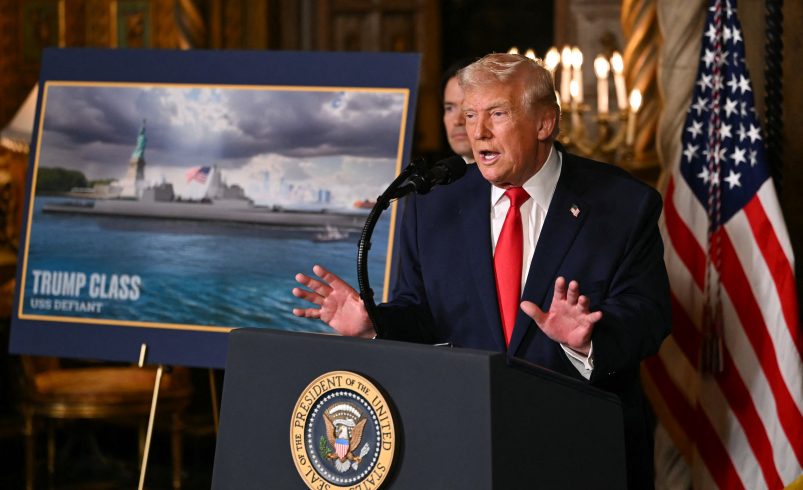
Iranian Foreign Minister Abbas Araqchi wrote in The Wall Street Journal that Iran would respond “with full force” to any attack, while U.S. President Donald Trump reiterated that any Iranian aggression would be met with a “devastating” response.
As Iranian authorities seek to close the chapter on the protests by blaming foreign enemies, civil society groups and international organizations insist that the scale of state violence cannot be ignored.