Jamenei warns Washington: Iran threatens regional war if the US attacks
- January 29, 2026
- 0
Iran’s supreme leader warned that any US attack would spark a regional war, as military pressure and diplomacy intensify in the Gulf.

Iran’s supreme leader warned that any US attack would spark a regional war, as military pressure and diplomacy intensify in the Gulf.
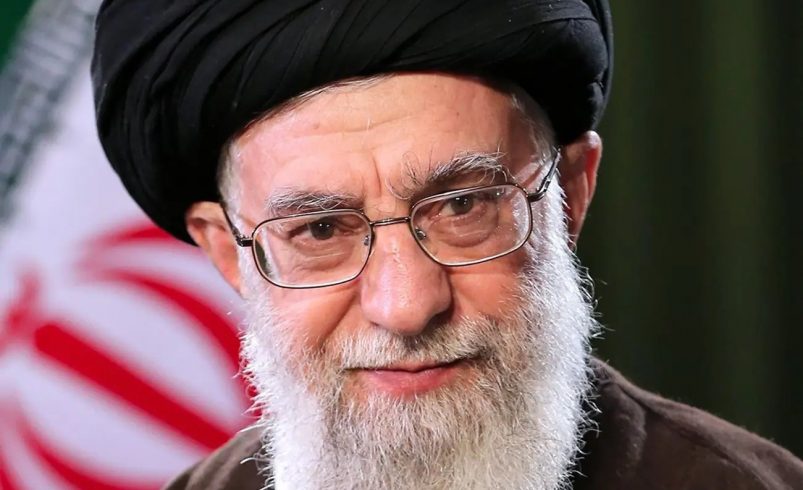
Iran’s Supreme Leader Ayatollah Ali Jamenei warned that any attack by the United States would inevitably trigger a regional war, amid rising military tensions in the Persian Gulf and renewed diplomatic efforts to prevent a broader conflict involving Iran and its neighbors.
Jamenei’s remarks came after Washington deployed additional warships to the region, reinforcing its military presence while keeping the option of force on the table over Iran’s nuclear program.
Speaking in Tehran, the Iranian leader dismissed US displays of naval power as ineffective and said they would not intimidate either the government or the Iranian people.
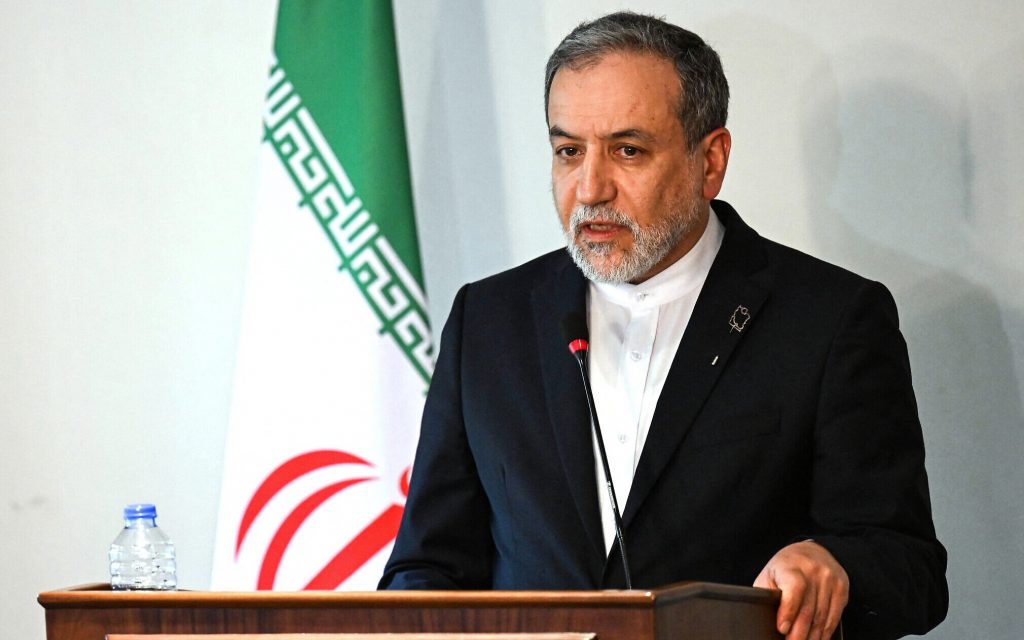
“The Americans must know that if they start a war, it will not be limited. It will become a regional war,” Jamenei said, according to Iran’s Tasnim news agency. He stressed that Iran has no intention of initiating a conflict but warned that it would respond forcefully to any aggression.
The warning coincided with the deployment of the USS Abraham Lincoln aircraft carrier strike group, accompanied by guided-missile destroyers and thousands of additional troops.
US officials say the move is meant to deter Iran and push it toward a new nuclear agreement, though military action remains an option if diplomacy fails.
President Donald Trump said he still hopes to reach a deal with Tehran but reiterated that “all options remain on the table.” Iranian officials, however, remain deeply skeptical after Washington’s withdrawal from the 2015 nuclear agreement and last year’s US strikes on Iranian targets.
Iranian Foreign Minister Abbas Araqchi echoed Jamenei’s concerns, warning that a war between Iran and the United States would be “a catastrophe for everyone.” Speaking to CNN, Araqchi said indirect talks through regional intermediaries had been “constructive,” but stressed that trust remains low.
Araqchi warned that any armed conflict would quickly engulf the wider region, given the extensive network of US military bases and regional alliances. “This would not be a contained war. Many parts of the Middle East would be drawn in, and the consequences would be extremely dangerous,” he said.
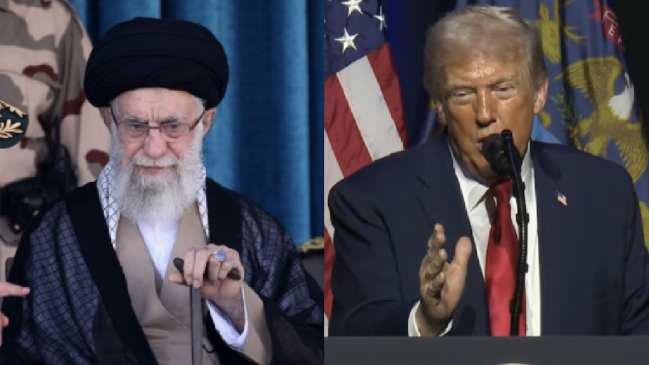
The foreign minister reiterated that Iran does not seek nuclear weapons, but insisted that any new deal must recognize Iran’s right to enrich uranium for peaceful purposes and lift economic sanctions. He also rejected negotiations over Iran’s missile program or its regional influence, which Washington views as essential.
Jamenei also addressed recent anti-government protests, claiming they were orchestrated from abroad to destabilize the country. He accused foreign-backed “rioters” of attacking state institutions, security forces, banks and religious sites, describing the unrest as an attempted coup rather than legitimate dissent.
While Iranian authorities acknowledge more than 3,000 deaths during the unrest, human rights groups estimate the toll to be significantly higher.
Trump has cited the crackdown as one of the factors behind his administration’s hard-line stance toward Tehran.As military maneuvers continue in the Persian Gulf and the Strait of Hormuz, regional actors including Qatar and Egypt are pushing diplomatic initiatives to defuse tensions.
Iranian President Masoud Pezeshkian said a war would benefit neither Iran, nor the United States, nor the region as a whole. For now, the crisis remains contained, balanced precariously between deterrence and diplomacy.