Right-wing candidate Laura Fernández wins Costa Rica’s presidency in first round
- January 30, 2026
- 0
Laura Fernández won the elections in Costa Rica in a first-round landslide, pledging continuity, tougher security policies and institutional reforms.

Laura Fernández won the elections in Costa Rica in a first-round landslide, pledging continuity, tougher security policies and institutional reforms.
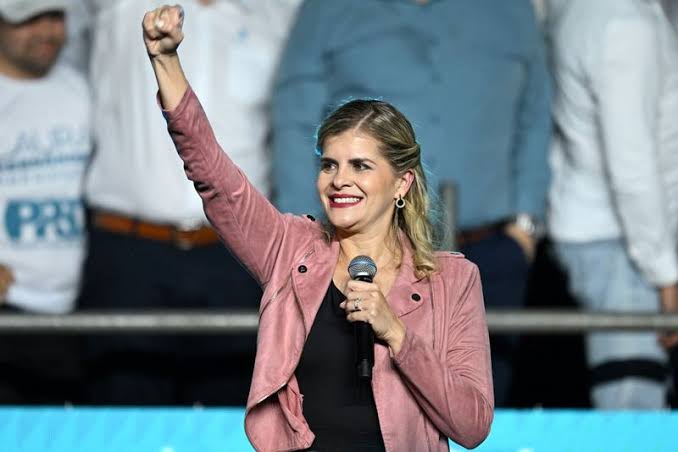
Right-wing political scientist Laura Fernández won the presidential elections in Costa Rica on Sunday, securing a decisive first-round victory that will make her the country’s 50th president.
With 94% of polling stations counted, the candidate of the ruling People’s Sovereignty Party obtained 48.3% of the vote, opening a wide gap over her closest rival, Social Democratic National Liberation Party (PLN) candidate Álvaro Ramos, who garnered 33.3%, according to official data from the Supreme Electoral Tribunal (TSE).
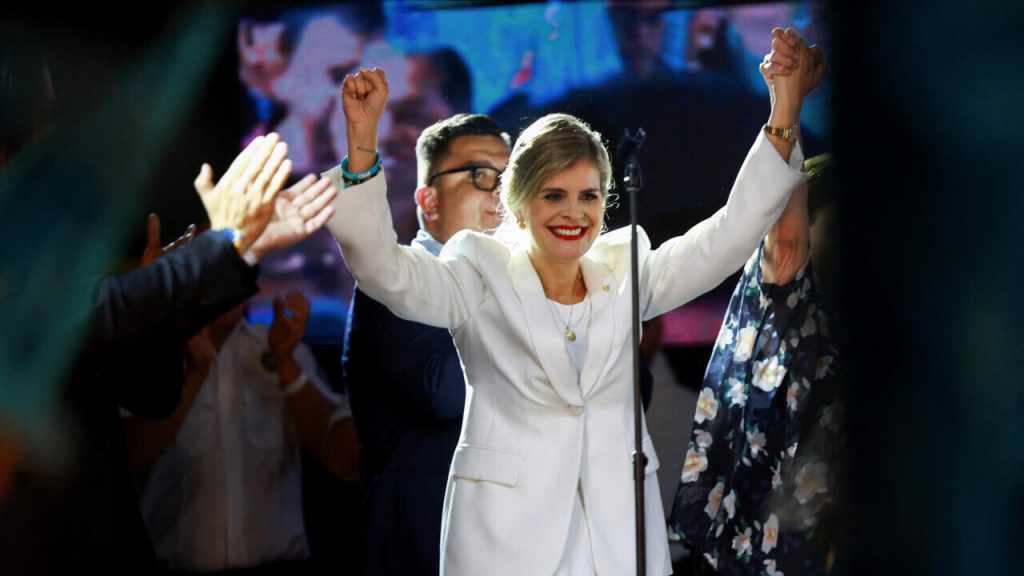
At 39 years old, Fernández campaigned as the political “heir” of outgoing president Rodrigo Chaves, promising continuity in government policies, a tougher stance on crime and sweeping reforms aimed at strengthening public security.
Her victory also makes her only the second woman to win the presidency in Costa Rica, after Laura Chinchilla, who governed from 2010 to 2014.
Speaking on election night, Fernández publicly thanked President Chaves during a televised phone call. “From day one, you trusted me, believed in me and gave me the confidence to become today the president-elect of Costa Rica,” she said.
Ramos quickly conceded defeat and called for unity. “May God give her wisdom. We will support her when her decisions are for the good of the country,” the 42-year-old economist told supporters.
TSE President Eugenia Zamora praised the electoral process, describing it as “exemplary, free and authentic.” She urged political actors and citizens to respect the outcome while maintaining democratic oversight and responsible criticism.
Zamora also warned against escalating political hostility and emphasized the importance of protecting Costa Rica’s democratic institutions. “Our democracy, our shared home, requires care, responsibility and restraint,” she said, urging a renewed commitment to addressing poverty, insecurity and organized crime.
Public security dominated Fernández’s campaign, as rising violence and drug trafficking have become the country’s top concern. She proposed declaring states of emergency in high-risk areas and adopting strategies similar to those used by El Salvador’s President Bukele against criminal gangs.
Critics argue that such measures could undermine institutional checks and balances and concentrate power in the executive branch. Fernández has rejected those accusations, insisting that firm action is necessary to confront what she describes as an unprecedented security crisis.
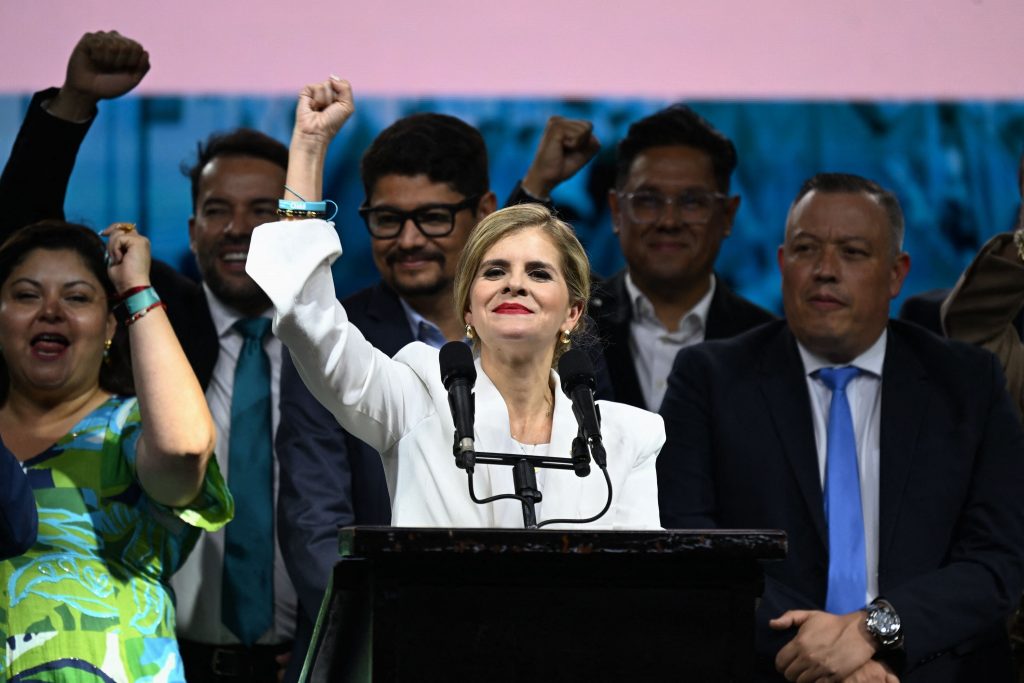
As preliminary results were announced, thousands of Fernández supporters gathered across the country to celebrate her victory.
She also received congratulations from international leaders, including Bukele, who phoned her to offer his support and referred to her as “president-elect.”
Fernández’s win strengthens the position of right-wing governments in Latin America following recent electoral shifts in other countries across the region.
On the same day, Costa Rica also elected its 57-member Legislative Assembly, which will play a crucial role in shaping the next administration’s ability to implement its agenda.