Bad Bunny triumphs at the Grammys and turns his speech into a stand against immigration raids
- February 2, 2026
- 0
After winning the Grammy for Best Urban Music Album, Bad Bunny criticized ICE raids and defended migrant communities’ rights in the U.S.

After winning the Grammy for Best Urban Music Album, Bad Bunny criticized ICE raids and defended migrant communities’ rights in the U.S.
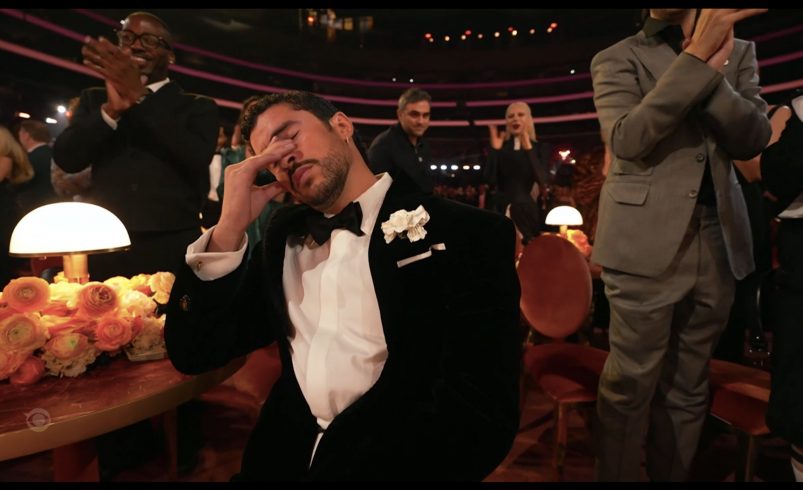
Bad Bunny’s triumph at the latest Grammy Awards went far beyond music. The Puerto Rican artist used one of the industry’s most influential stages to deliver a strong political message against immigration raids carried out by U.S. Immigration and Customs Enforcement (ICE), amid rising social tensions and protests over migration policies.
During the ceremony held in Los Angeles, Bad Bunny won the award for Best Urban Music Album for his Spanish-language record Debí tirar más fotos, a critically acclaimed project that reaffirmed his central role in global music.
When he took the stage to accept the award, the 31-year-old artist departed from a conventional acceptance speech and openly condemned ICE’s actions, which have sparked demonstrations across several U.S. cities in recent weeks.
According to Europa Press, the singer denounced the violence linked to immigration raids and appealed to the dignity of migrant communities.
“ICE, out. We are not savages, we are not animals, we are human beings and we are Americans,” Bad Bunny said, drawing a standing ovation from the audience. His remarks echoed throughout an event watched by millions worldwide, significantly amplifying their impact.
The statement came amid controversy surrounding recent ICE operations. International media reported that two protesters died during demonstrations linked to immigration enforcement over the past two weeks.
Human rights organizations and migrant advocacy groups criticized what they described as excessive force and an increasingly hostile official discourse toward undocumented immigrants.
Bad Bunny emphasized that hatred cannot be answered with more hatred. “Hate becomes more powerful with more hate. The only thing more powerful than hate is love. That’s why we have to be different,” he said, stressing music’s ability to convey messages of empathy, respect, and coexistence.
For the artist, the Grammy stage offered a unique opportunity to spotlight an issue that should remain central in public debate.
His prominence during the ceremony was undeniable. Shortly before winning Best Urban Music Album, Bad Bunny had already received the award for Best Global Music Performance, marking a landmark night in his career.
He was also nominated in six categories, including some of the most prestigious awards, highlighting his broad influence across genres and audiences.
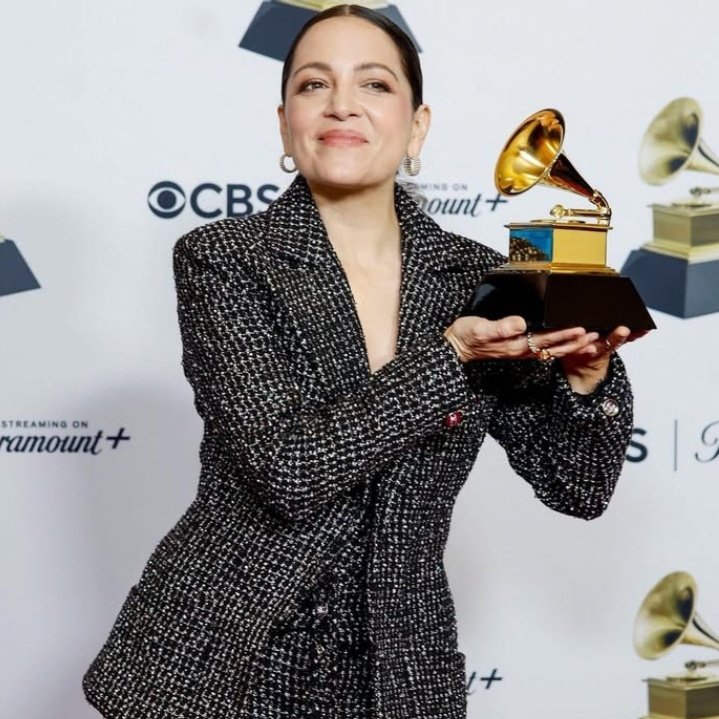
The 68th edition of the Grammys featured strong Latin representation. Mexican singer Natalia Lafourcade won Best Latin Pop Album for Cancionera; Gloria Estefan received Best Tropical Latin Album for Raíces; and Argentine duo Ca7riel and Paco Amoroso claimed Best Latin Rock or Alternative Album for Papota. These wins reinforced Spanish’s growing prominence in the global music industry.
Solidarity with migrant communities extended beyond Bad Bunny’s speech. British singer Olivia Dean, named Best New Artist, also addressed the issue during her acceptance speech.
“I’m here as the granddaughter of an immigrant. I am the result of bravery, and I believe those people deserve to be honored,” she said, aligning her message with the broader theme of recognition and respect for migrants.
Throughout the ceremony, social and political concerns emerged as a recurring thread. The music industry, far from remaining detached from current events, once again demonstrated its capacity to serve as a platform for artists to address global challenges and influence public discourse.
The Grammy night ultimately highlighted more than artistic excellence. Bad Bunny not only reaffirmed his leadership in contemporary music but also used his visibility to challenge immigration policies and advocate for human rights.
In a setting traditionally focused on entertainment, his intervention underscored how popular culture can amplify social demands and transcend the boundaries of the stage.