Spain moves to ban social media access for under-16s
- February 4, 2026
- 0
Spain proposes banning social media for under-16s, requiring age verification and imposing legal responsibility on platforms.

Spain proposes banning social media for under-16s, requiring age verification and imposing legal responsibility on platforms.
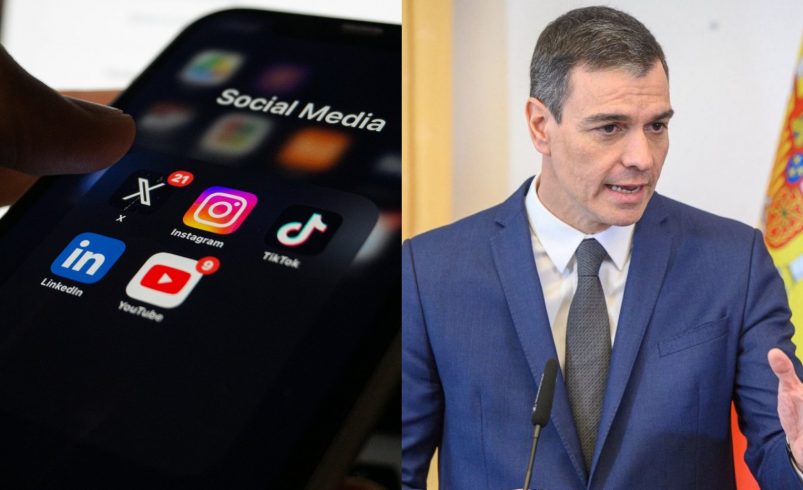
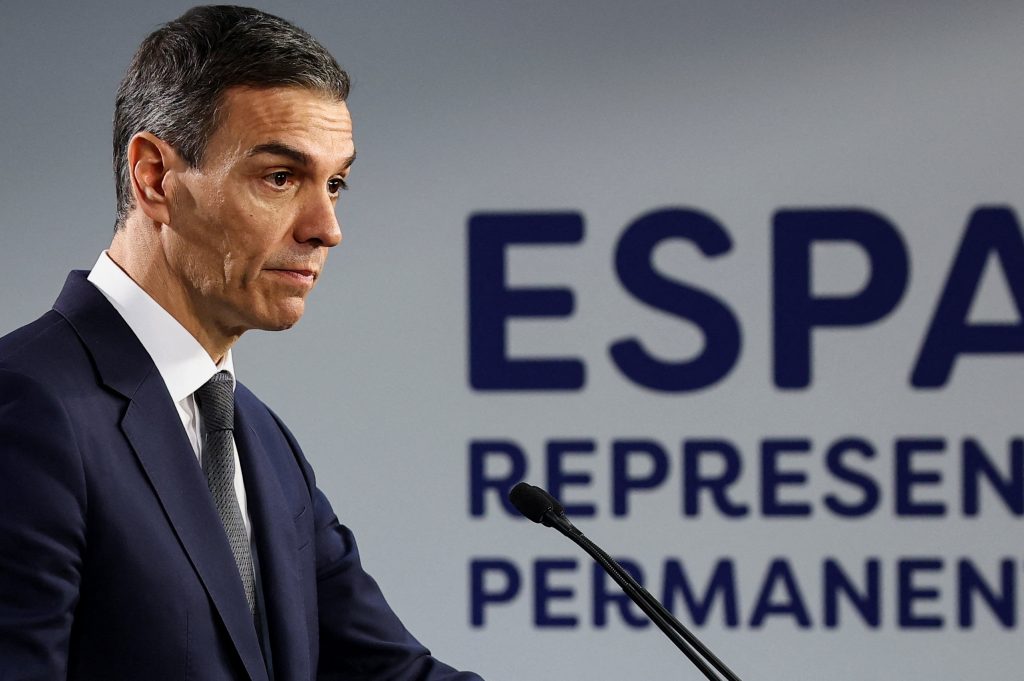
The Spanish Prime Minister, Pedro Sánchez, announced at the World Governments Summit in Dubai a proposal to ban access to social media for children under the age of 16, as part of a broader strategy to strengthen the protection of minors in digital environments.
The initiative places Spain at the center of a global debate over how far governments should go to shield young people from harmful online content.
Speaking at the summit, Sánchez warned that today’s digital ecosystem exposes children to addiction, violence, pornography, harassment and manipulation.
“Our children are growing up in a space of abuse and addiction, and we will no longer accept it,” he said, framing the proposed ban as a necessary response to the growing influence of digital platforms on everyday life.
Under the plan, social media companies would be required to implement robust age verification systems that go beyond the current practice of self-declared ages.
Social media has become a failed state.
— Pedro Sánchez (@sanchezcastejon) February 3, 2026
If we want to protect our children there is only one thing we can do: take back control.
Las redes sociales se han convertido en un Estado fallido.
Si queremos proteger a nuestros hijos, solo tenemos una opción: recuperar el control. pic.twitter.com/1MvCNxiLys
Platforms such as TikTok, Instagram, Facebook and X would need to ensure that minors cannot create accounts or access services without proper authorization, effectively raising the minimum age from the current 13 years to 16.
The proposal also includes legal reforms aimed at increasing corporate accountability. According to government officials, senior executives of technology companies could face criminal liability if their platforms fail to remove illegal content or systematically neglect their obligations to protect minors.
This shift would mark a significant escalation in regulatory pressure on the tech sector.
Spain’s move follows similar developments abroad. Australia recently became the first country to ban social media for under-16s, imposing heavy fines on platforms that fail to verify users’ ages.
Across Europe, countries including France, the United Kingdom and Greece are considering comparable measures, driven by growing concerns over mental health and online safety.
Spanish officials argue that the initiative would position Spain as a leader in child digital protection within the European Union.
The government has also proposed forming a coalition with other European states to coordinate regulations and avoid loopholes that allow platforms to bypass national rules.
Still, the plan faces significant legal and political hurdles. Sánchez’s government lacks a parliamentary majority, and critics warn that a blanket ban could infringe on freedom of expression, access to information and privacy rights.
Digital rights groups also question whether age verification technologies can be implemented without collecting excessive personal data.
Experts further caution that restrictions alone may not be sufficient. Without comprehensive digital education and structural changes to platform design, they argue, minors may remain exposed to risks through alternative channels.
With more than 80 percent of Spanish teenagers already active on social media, Sánchez’s proposal places the country at the forefront of a debate that is rapidly gaining global relevance. Whether the plan becomes law or not, Spain has firmly put the issue of regulating digital access for minors on the international agenda.