United States and Russia resume military dialogue after nuclear limits lapse
- February 6, 2026
- 0
After the New START treaty expired, the United States and Russia agreed to restore military contacts to reduce risks and prevent escalation.

After the New START treaty expired, the United States and Russia agreed to restore military contacts to reduce risks and prevent escalation.
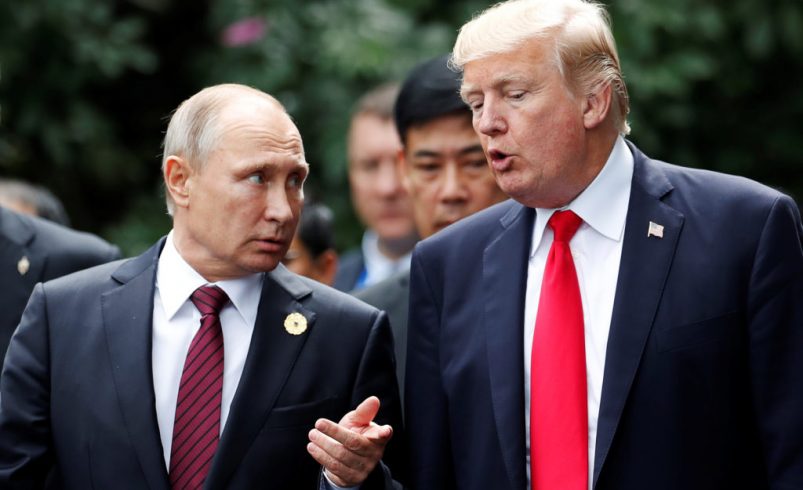
The expiration of the New START treaty, the last remaining nuclear arms control agreement between the United States and Russia, marked a historic turning point in global security.
With the deal ending, both powers are now operating for the first time in more than five decades without a legally binding framework limiting and verifying their strategic nuclear arsenals.
Amid growing uncertainty, Washington and Moscow agreed to resume high-level military dialogue, a move aimed at reducing risks and avoiding miscalculations.
The Pentagon confirmed that military-to-military contacts would be restored following what it described as “productive and constructive progress” in recent diplomatic talks related to the war in Ukraine, held in Abu Dhabi.
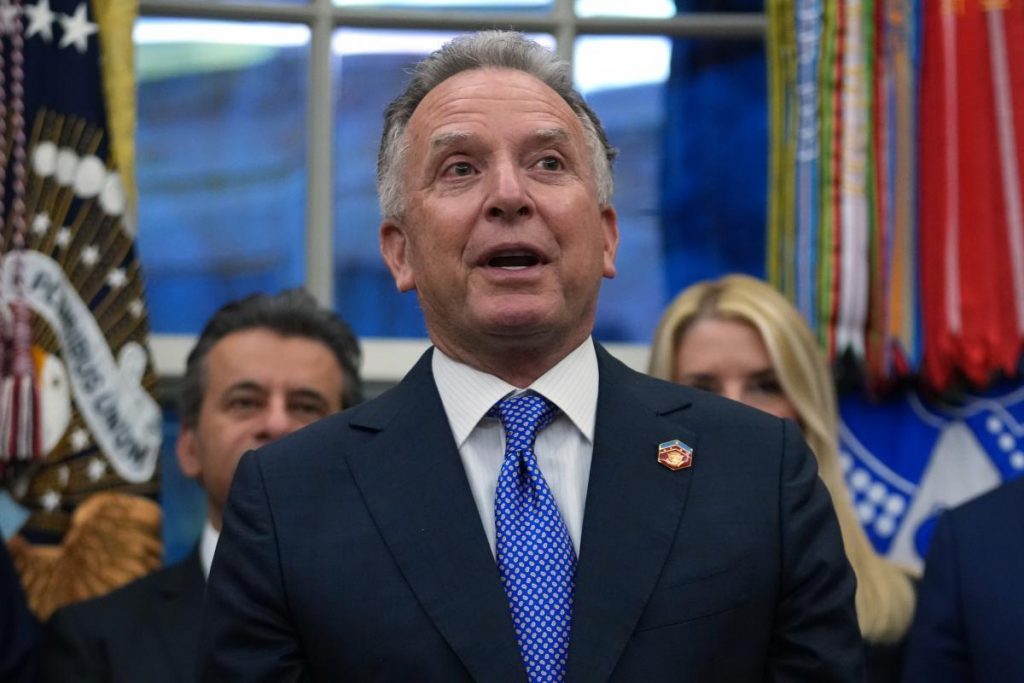
Those discussions involved President Trump’s special envoy Steve Witkoff and the president’s son-in-law Jared Kushner, signaling an effort by the White House to reopen channels with Moscow through a mix of formal and informal diplomacy.
Russian officials stated that the expiration of New START means the country is no longer legally bound by limits on the number of nuclear warheads it can deploy.
The announcement raised alarms among arms control advocates, who fear the absence of verifiable caps could trigger a renewed nuclear arms race. In a statement, U.S. European Command emphasized that “maintaining dialogue between armed forces is an important factor for global stability and peace,” highlighting transparency and de-escalation as key objectives.
Until its expiration, New START capped deployed strategic nuclear warheads at 1,550 and limited active delivery systems to 700 for each side. Recent figures showed the United States with about 1,770 deployed warheads and Russia with roughly 1,718, underscoring mounting strains even before the treaty lapsed.
The total U.S. stockpile stands at approximately 5,177 nuclear weapons, while Russia’s reaches about 5,459, making it the world’s largest nuclear arsenal. Together, Washington and Moscow account for nearly 87 percent of all nuclear weapons worldwide.
Of those, about 9,614 are potentially operational, and more than 3,900 are deployed, including roughly 2,100 kept on high alert on ballistic missiles. This level of readiness heightens concerns that the lack of formal limits could increase the risk of accidental or intentional escalation.
The end of New START also has broader implications beyond the United States and Russia. Arms control experts warn that the legal vacuum could encourage other nuclear powers, particularly China, to expand their arsenals.
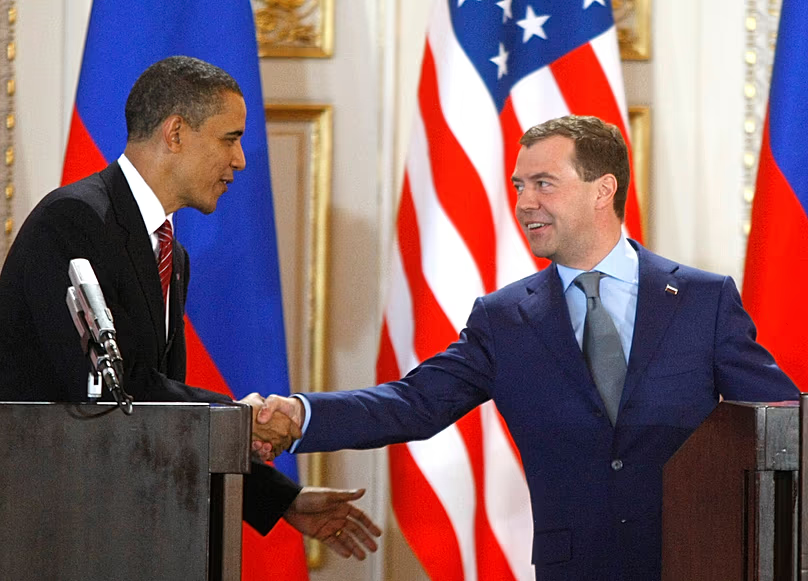
Beijing is estimated to possess around 600 nuclear weapons, most of them not deployed, but its rapid military modernization is closely watched by Washington and its allies. NATO has publicly urged nuclear powers to exercise “responsibility and restraint,” reflecting growing anxiety in Europe.
Since the Cold War, these mechanisms helped manage rivalry and reduce the risk of catastrophic miscalculation. Their disappearance leaves diplomacy and direct military contacts as the primary tools to prevent escalation.
Ultimately, the future of nuclear arms control will depend on whether the United States and Russia can translate renewed contacts into broader negotiations.
Until then, the world enters an unprecedented post–Cold War phase: one without verifiable limits on the most destructive weapons ever created, balanced precariously between deterrence and dialogue.