Trial of Crown Prince’s Stepson Shakes Norway’s Royal Family
- February 6, 2026
- 0
The criminal trial against Marius Borg Høiby for rape and violent offenses puts Norway’s royal family under unprecedented public scrutiny.

The criminal trial against Marius Borg Høiby for rape and violent offenses puts Norway’s royal family under unprecedented public scrutiny.

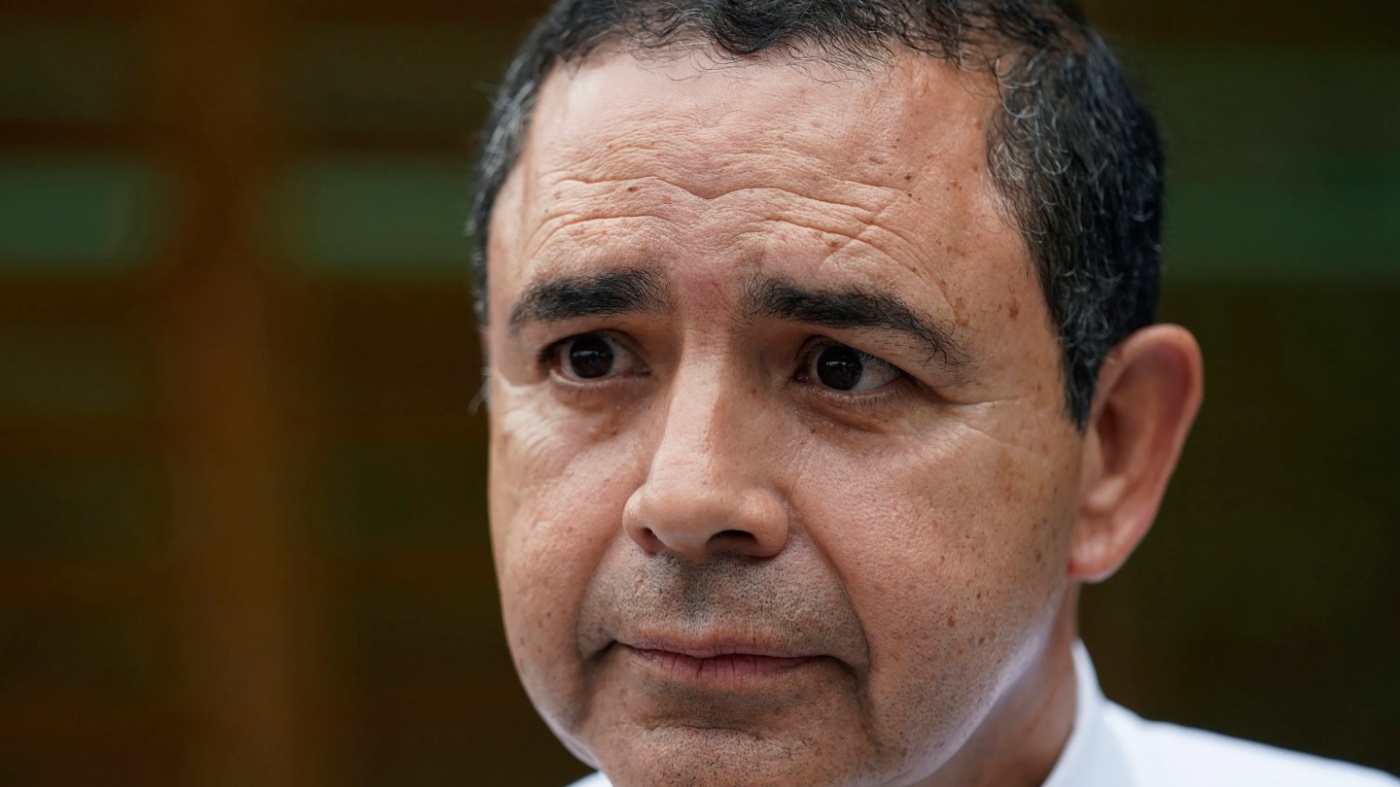
Norway’s royal family is facing one of its most challenging moments in recent years as the criminal trial of Marius Borg Høiby, the stepson of Crown Prince Haakon, formally began this week in Oslo.
The case, which includes multiple charges of rape and repeated abuse, has drawn intense public and media attention in a country where the monarchy traditionally enjoys strong public support.
Høiby, 29, appeared before the Oslo District Court on Tuesday as proceedings opened in a trial expected to last seven weeks.
Prosecutors have filed 38 charges against him, including several counts of rape, repeated physical abuse of a former partner, and additional offenses related to drugs, reckless driving, and non-consensual sexual recording.
According to court documents, the alleged violence involved repeated physical assaults, strangulation, threats, and the destruction of personal property.
Prosecutors also accuse Høiby of secretly filming or photographing women without their consent. If convicted on the most serious charges, he could face a lengthy prison sentence under Norwegian law.
During the opening hearing, Høiby pleaded not guilty to the rape charges and denied accusations of sexual abuse or coercive behavior.
Public broadcaster NRK reported that he spoke quietly in court and maintained a reserved demeanor. However, he acknowledged responsibility for certain lesser offenses, including bodily harm and some drug-related violations.
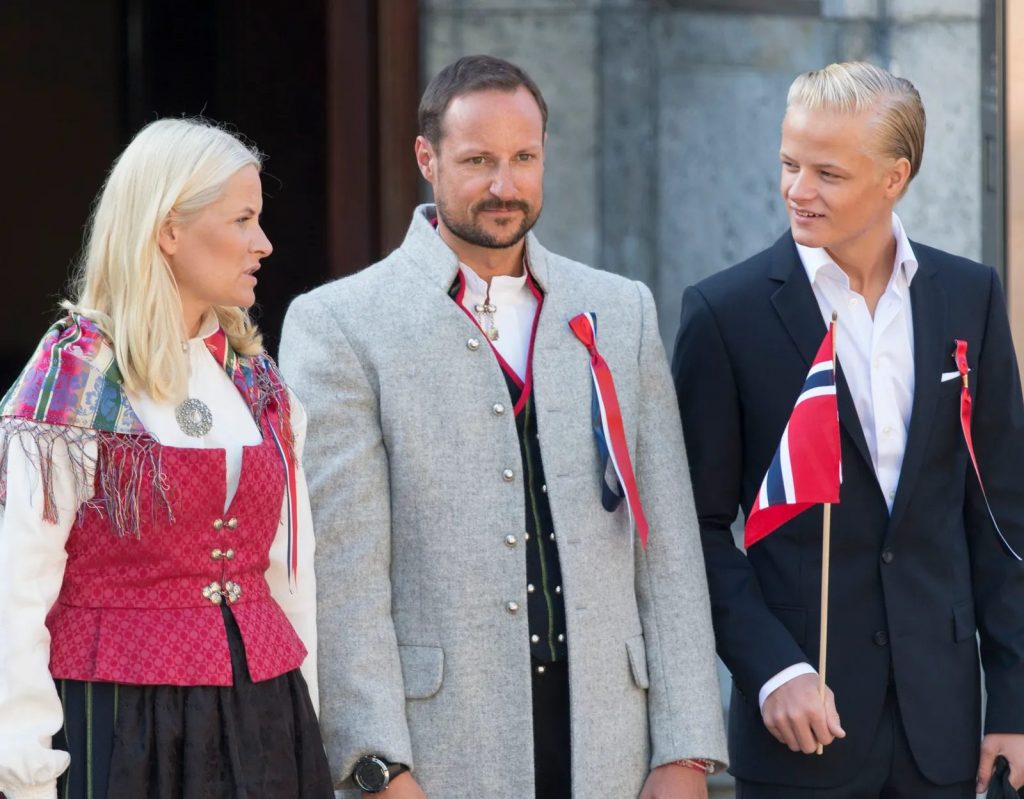
Although Høiby is closely linked to the royal household, he is not part of Norway’s line of succession, having been born before his mother, Crown Princess Mette-Marit, married Crown Prince Haakon in 2001.
Still, the gravity of the charges and his family ties have placed the monarchy under an unusually harsh spotlight.
Defense attorney Petar Sekulic has stated that his client denies all allegations of sexual abuse and most claims of violence. He said Høiby will present his own detailed account of events during the trial, which will include testimony from multiple witnesses and experts.
The case has reignited debate in Norway over the boundary between private conduct and institutional responsibility when individuals closely connected to the monarchy face serious criminal allegations.
The Royal House has confirmed that neither Crown Prince Haakon nor Crown Princess Mette-Marit plans to attend court sessions, a move widely seen as an effort to clearly separate the legal proceedings from royal duties.
In a brief public statement, Haakon emphasized that Høiby is “a Norwegian citizen with the same rights and responsibilities as everyone else,” while also expressing personal concern for his stepson. He made clear that the family would not comment on the ongoing judicial process.
Royal commentators note that the way the family navigates the coming weeks will be crucial in maintaining public trust.
Norway places strong cultural emphasis on transparency, accountability, and equality before the law, and many citizens are closely watching whether those principles are upheld without exception.
At the same time, the Norwegian Parliament recently reaffirmed its support for the monarchy in a long-planned vote, signaling institutional stability despite the controversy.
Analysts suggest this backing reflects a widespread view that the case should be treated as a personal legal matter rather than an indictment of the royal institution itself.
As the trial unfolds, the outcome and the royal family’s public posture may determine whether the scandal remains confined to the courtroom or evolves into a broader challenge for Norway’s monarchy.
For now, the country watches as its justice system confronts a case that tests both legal norms and public confidence in long-standing institutions.