Takaichi Sanae’s landslide mandate reshapes Japan’s political future
- February 10, 2026
- 0
After a decisive elections victory, Japan grants Takaichi Sanae unprecedented power to push economic reforms and a tougher security agenda.


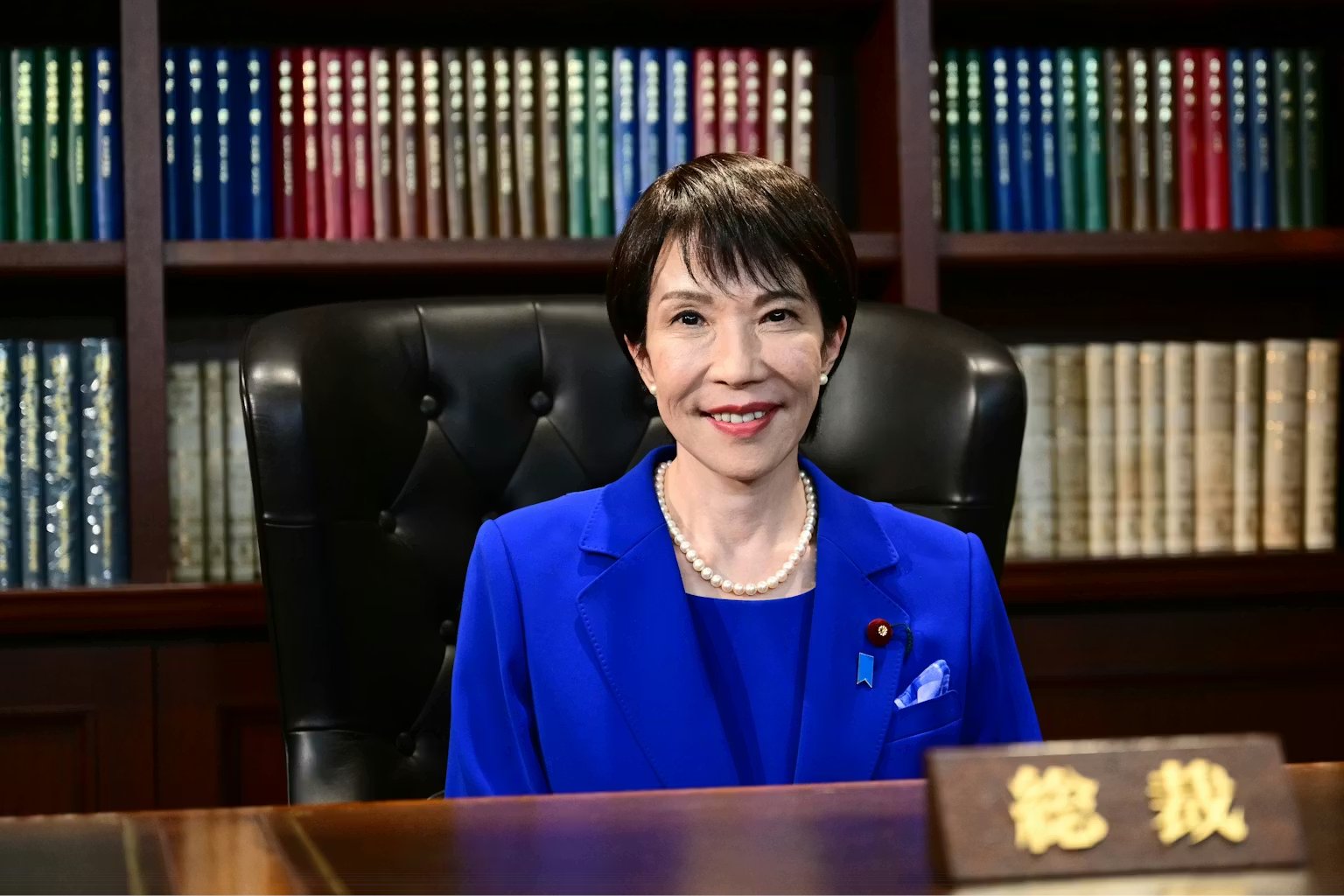
Takaichi Sanae’s decision to call early elections was a high-stakes gamble that paid off spectacularly, delivering one of the strongest mandates in modern Japan.
The ruling Liberal Democratic Party’s victory on February 8 not only restored its dominance in the lower house but also cemented the prime minister’s personal authority well beyond her party.
With a two-thirds supermajority secured even without full reliance on coalition partners, the result signals a return to near-uncontested LDP rule.
The scale of the triumph exceeded expectations. While Ms. Takaichi had enjoyed high personal approval since taking office in October, the LDP itself remained burdened by years of scandals and recent electoral setbacks.
Entering the vote, the governing bloc held only a razor-thin majority. It now controls 352 of the 465 seats in the lower house, a dramatic swing that underscores the centrality of Takaichi’s leadership.
Equally decisive was the collapse of the main opposition force, the Centrist Reform Alliance. Hastily formed from the merger of two long-standing parties, it failed to inspire voters and lost more than half of its seats.
Although several smaller and newer parties gained footholds, none emerged as a credible challenger to the LDP in the near term.
The outcome fits into the LDP’s long history of dominance—but the current moment is distinct.
After a turbulent opposition interlude from 2009 to 2012 and the long tenure of Abe Shinzo, the party had recently appeared weakened, even governing as a minority. Takaichi’s rise to the party leadership reversed that decline with remarkable speed.
Her appeal lies partly in symbolism. As the first woman to serve as prime minister of Japan, she represents a break from an aging, male-dominated political class.
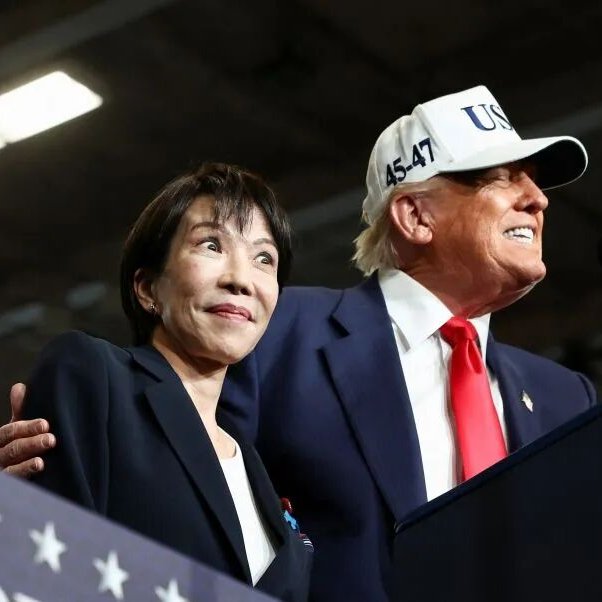
Her middle-class background, blunt communication style and unconventional past feed a narrative of renewal. Internationally, she has shown confidence, even in dealings with Trump, who openly endorsed her before the vote. Diplomatic tensions with China, rather than harming her, bolstered her image as a tough defender of national security.
On the campaign trail, Takaichi was tireless, traveling more than any rival in just 12 days and dragging the traditionally staid LDP into the digital age through aggressive use of social media. By contrast, the opposition appeared outdated and uninspiring, a perception that took hold both offline and online.
The political consequences will be far-reaching. Opposition leaders are likely to step down, and the future of their alliances is uncertain.
Smaller left-wing parties also suffered losses, suggesting that ideological pacifism resonates less in an increasingly unstable world. Meanwhile, new movements such as the techno-optimist Team Future attracted independent voters, hinting at longer-term shifts.
Armed with a supermajority, the government can now push legislation through the lower house and override resistance in the upper chamber.
This grants Ms. Takaichi unusual freedom to pursue her agenda, from tax cuts on food and industrial investment to sweeping security reforms, including expanded defense exports and a new national intelligence agency.Yet challenges remain.
Bond markets are wary of rising public spending, and relations with Beijing will test her diplomatic skill. The mandate is vast, but converting it into lasting gains will determine whether Takaichi Sanae truly transforms Japan’s political landscape.