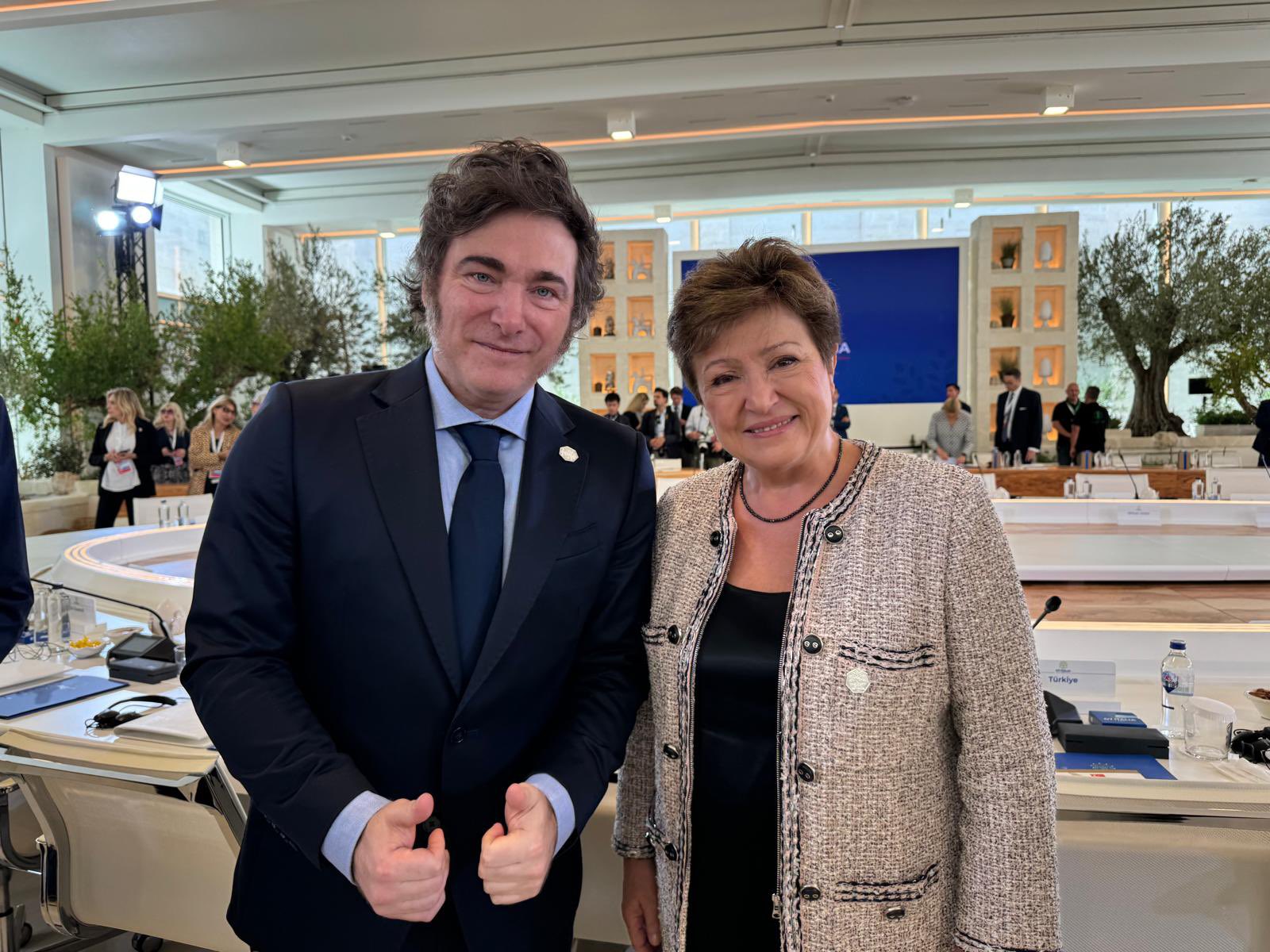
President Milei redefines his strategy toward the institution in charge of soccer in Argentina
- February 13, 2026
- 0
President Milei cancels his World Cup draw trip, deepening tensions with the AFA and Tapia while reshaping policy debate.

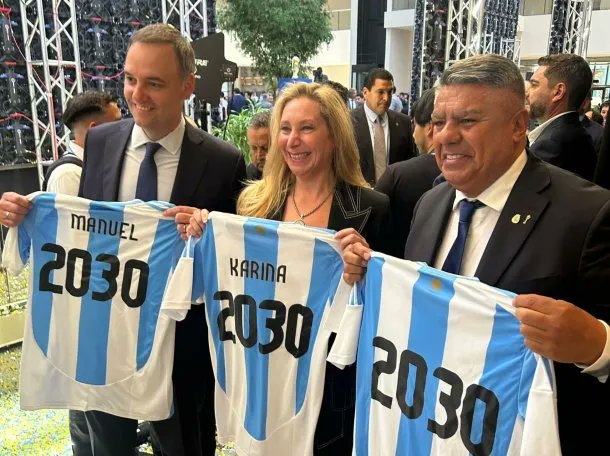
President Milei has canceled his planned trip to Washington for the upcoming World Cup draw, marking a significant moment in his administration’s relationship with the AFA—the Argentine Football Association—and its president, Tapia.
The AFA is Argentina’s governing body for football. It oversees all professional and amateur competitions in the country, manages the national teams, and represents Argentina before FIFA and South America’s continental confederation.
Structured as a non-profit civil association, it operates under a member-based model in which clubs function as social institutions owned by their members rather than as private corporations.
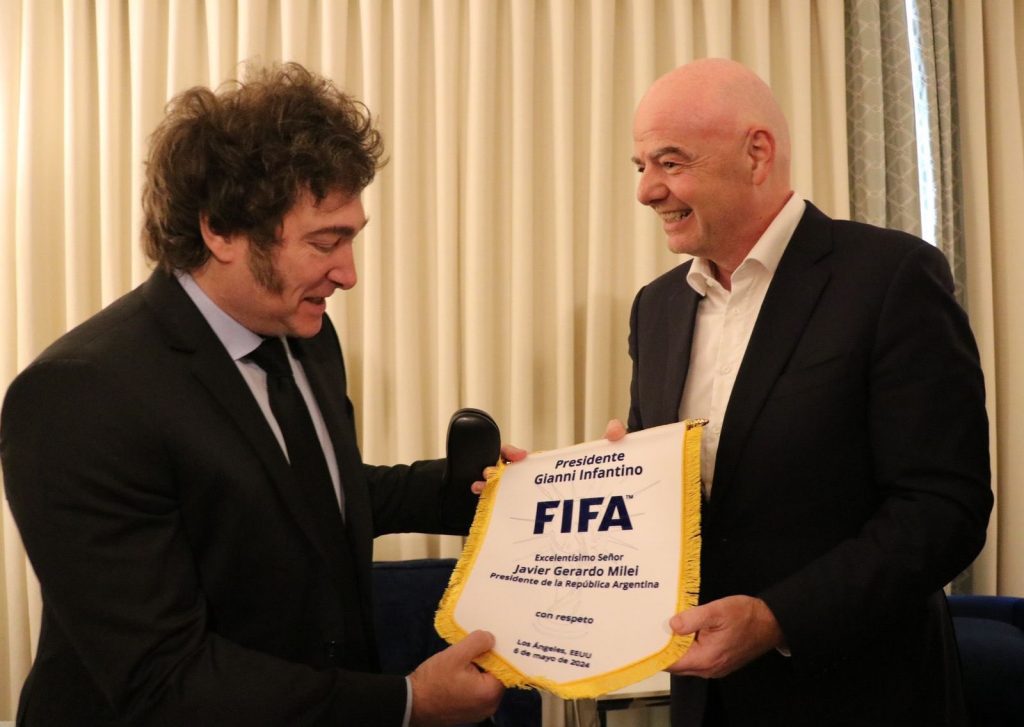
Since 2017, Tapia has led the AFA during a period of major sporting success, including Argentina’s victory at the 2022 World Cup. The organization plays a central role not only in domestic competitions but also in global football governance through its affiliation with FIFA.
President Milei had intended to attend the 2026 World Cup draw ceremony, a high-profile international event that brings together heads of state, senior officials and football executives. However, he ultimately decided not to participate.
Government sources indicated that appearing alongside Tapia could have generated political interpretations amid ongoing disagreements over the structural model of Argentine football.
At the heart of the debate lies the Government’s proposal to allow alternative ownership structures within the sport, specifically Soccer Corporations (SAF).
The administration has argued for a voluntary framework that would permit clubs to adopt corporate structures if they choose, similar to models used in several European leagues.
The AFA has publicly defended the traditional association-based system. Regulatory measures linked to potential structural changes faced legal challenges, and a federal court ruling suspended key provisions. Following that decision, the Government confirmed it will not prioritize new legislation on the issue in 2026.
The canceled trip also included planned meetings with international leaders and business representatives. With the World Cup 2026 set to take place in North America, the event carries substantial diplomatic and economic visibility. Argentina, as defending champion, remains a focal point of global football attention.
Public exchanges between both sides have underscored institutional distance, yet neither party has taken steps toward direct confrontation.
The Government has clarified that it does not plan to intervene in the AFA’s governance structure, while the association continues its preparations for international competition.
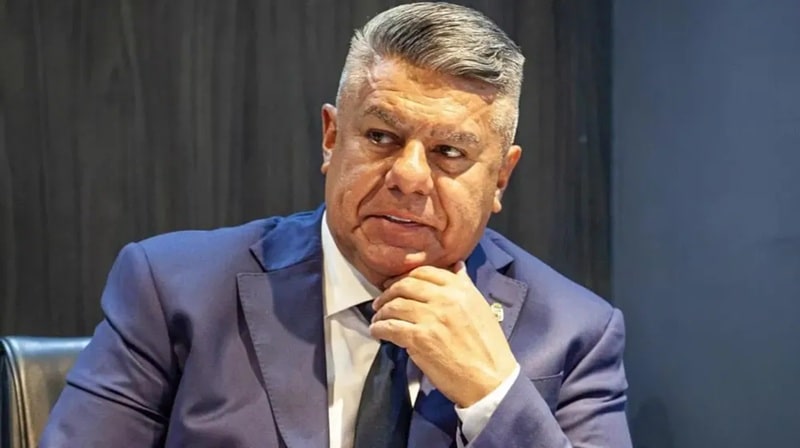
In recent weeks, President Milei has made symbolic gestures reflecting his engagement in the broader debate, including public references to historic Argentine clubs and figures. Observers have interpreted these actions as part of a broader political positioning rather than immediate policy shifts.
By stepping back from the World Cup draw, Milei has chosen to recalibrate his international exposure amid a sensitive domestic discussion.
The AFA, as Argentina’s football authority and a key actor within FIFA’s global structure, continues to operate independently under its established framework.
As Argentina approaches another World Cup, the intersection of sport, governance and public policy remains under close watch both domestically and abroad.