TIME magazine names the “Architects of AI” as the Most Influential Figures of 2025
December 11, 2025
0
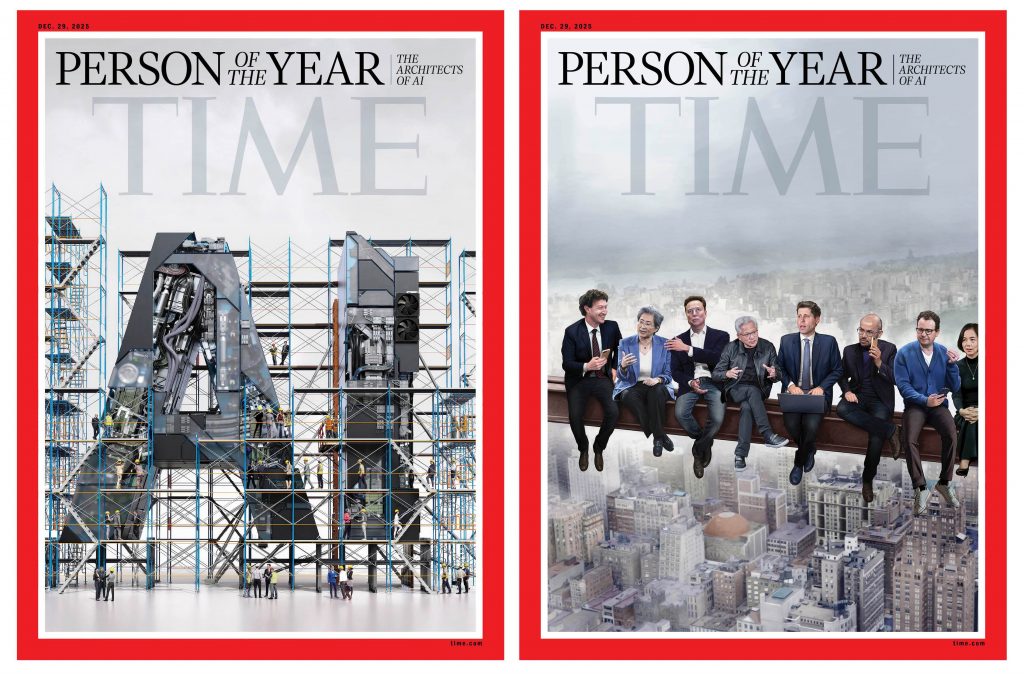
TIME has selected the “AI Architects” as 2025 Person of the Year, highlighting their decisive role in shaping the rise, influence and dilemmas of artificial intelligence.
TIME Magazine has named the so-called “Architects of AI” as its 2025 Person of the Year, underscoring the dominant role that artificial intelligence now plays in the global economy, international politics and daily human life.
Far from a traditional tribute, this distinction reflects those who shaped the defining events of the year and whose influence will continue to expand.
The group includes Jensen Huang (Nvidia), Sam Altman (OpenAI), Elon Musk (xAI), Mark Zuckerberg (Meta), Lisa Su (AMD), Demis Hassabis (DeepMind), Dario Amodei (Anthropic) and Fei-Fei Li (Stanford/World Labs).
TIME argues that the decision responds to a simple reality: AI has become the most influential technology of our era, driving global markets, reshaping geopolitical tensions and redefining communication, education and work. Jensen Huang summed it up in the special feature: “Every industry needs it, every company uses it and every nation must develop it.”
Leaders of a profound technological revolution
The “Architects of AI” represent a diverse group of pioneers steering rapid technological change. Huang has transformed Nvidia into the world’s most valuable company thanks to its leadership in advanced chips, the backbone of AI infrastructure.
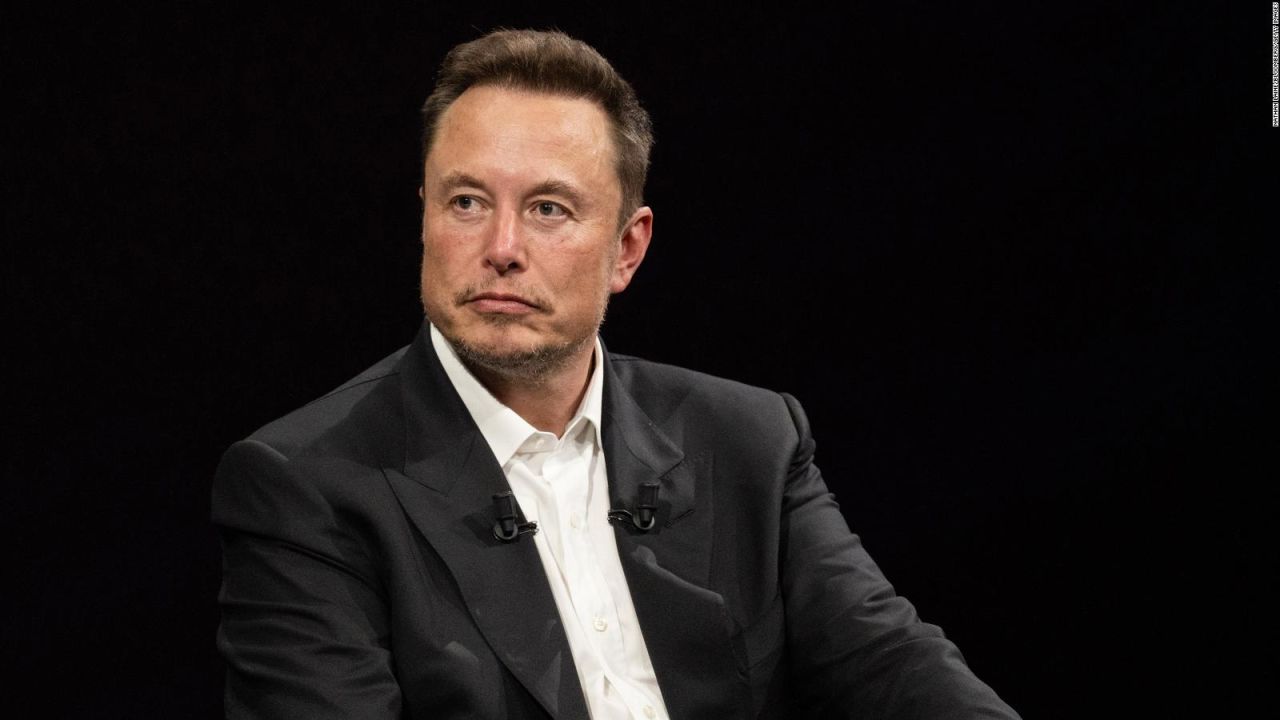
Sam Altman guides OpenAI, the organization behind ChatGPT, now used by more than 800 million people every week. Elon Musk accelerated the growth of xAI and the construction of massive data centers.
Mark Zuckerberg has integrated advanced chatbots across Instagram, WhatsApp and Facebook, while Lisa Su has positioned AMD as a key competitor in AI hardware. Demis Hassabis continues to cement DeepMind’s role as a global research powerhouse.
Dario Amodei, through Anthropic, is building models capable of generating up to 90% of their own code. Fei-Fei Li promotes the academic and human-centered vision of AI through World Labs.
TIME’s covers reflect the dual nature of these leaders: architects of a new technological era, yet also responsible for the ethical and societal dilemmas it brings.
AI as an economic engine and geopolitical battleground
In the United States, the administration of Donald Trump—named Person of the Year in 2024—has propelled massive initiatives such as Stargate, a USD 500-billion project to build data centers for training advanced models.
Companies like OpenAI, Oracle, Nvidia, Microsoft and SoftBank are key partners.
Competition with China is intensifying. While Washington invests record-breaking sums and eases regulations, Beijing counters with large-scale funding, domestic chip development and the rise of startups such as DeepSeek, which are narrowing the gap in model capabilities.
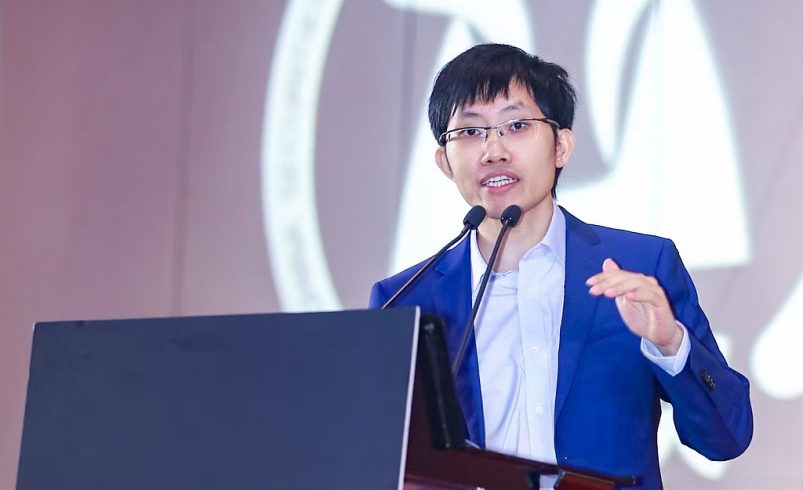
Robin Li, CEO of Baidu, told TIME that “China still lags in hardware, but the distance in model development is shrinking faster than expected.”
The AI boom has triggered unprecedented investment. Amazon, Google, Meta and Microsoft invested USD 370 billion in AI infrastructure in 2025 alone. OpenAI and other firms operate with multi-billion-dollar deficits in a race where speed and scale are the ultimate currency.
Accelerated innovation and widespread adoption
More advanced language models, self-programming tools and assistants capable of long-term memory reshaped the technological landscape. Small businesses, schools, hospitals and independent professionals integrated AI into everyday tasks.
Tools like Cursor and Claude Engineer allow software production at record speed. ChatGPT has reached 10% of the world’s population, offering improved reasoning, internet access and customizable memory.
Yet the rapid surge of AI brings controversy. Automation threatens millions of jobs: Dario Amodei estimates unemployment could rise to 20% in the near future. Amazon has already announced the replacement of tens of thousands of positions with robots.
Tragic cases, such as the death of teenager Adam Raine after interacting with a chatbot, have sparked debates about mental health and corporate accountability. Legal actions against OpenAI and Character.AI are multiplying, while experts warn of “chatbot psychosis,” a rare but alarming phenomenon.
An uncertain future and rising ethical challenges
The leaders recognized by TIME agree that AI has transformative potential but also introduces significant risks. Demis Hassabis put it bluntly: “We don’t know enough to quantify the risk.” Huang believes the technology will increase global productivity but acknowledges that certain jobs will disappear.
Ethical concerns center on power concentration, social inequality, algorithmic bias, misinformation and the psychological impact of AI-mediated interactions. Governments, civil society groups and institutions are demanding safeguards and updated regulations, while the tech industry argues that excessive limits could hinder innovation.
In this rapidly changing environment, the “Architects of AI” emerge as key figures for understanding both the present and the future. Their decisions will shape the direction of technological progress and determine how artificial intelligence influences the lives of millions.
As TIME concludes, their influence signals the beginning of a new era—one in which AI not only defines the technology of the moment but reshapes how the world works, learns, governs and imagines its future.