Bulgarian Government Collapses as Prime Minister Resigns Amid Mass Protests
December 12, 2025
0
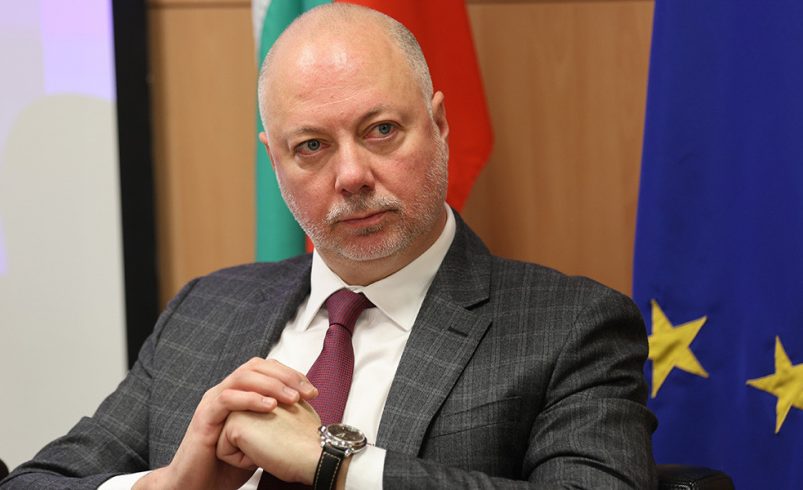
Amid mass demonstrations against corruption and economic policies, Bulgaria’s prime minister Rosen Zheliazkov resigns, deepening political turmoil in Europe.
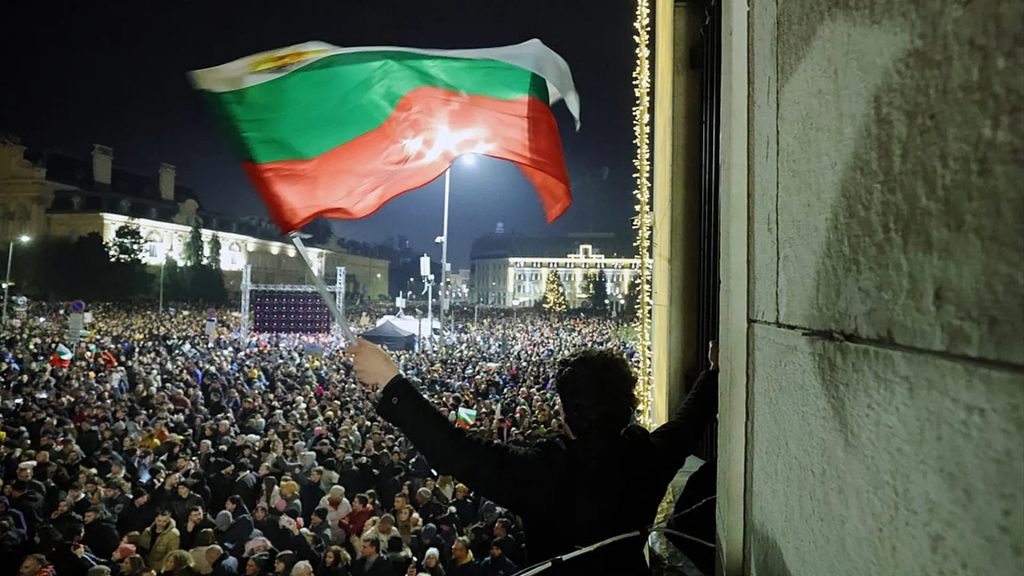
The prime minister of Bulgaria, Rosen Zheliazkov, announced his resignation on Thursday after weeks of massive street protests demanding his departure.
Demonstrators accused his government of failing to address systemic corruption and mishandling the economic transition ahead of the country’s adoption of the euro. “We have heard the voice of society,” Zheliazkov declared in a tense session before Parliament.
His resignation came shortly before lawmakers were set to vote on yet another no-confidence motion —the sixth since the three-party coalition took office on January 15.
Despite expectations that the government would survive the vote, Zheliazkov argued that “Parliament’s decisions only matter when they reflect the will of the sovereign people.”
The collapse of the government arrives at a critical moment: Bulgaria is preparing to adopt the euro as its official currency on January 1, a step expected to deepen its economic integration within Europe.
However, the first draft budget designed around the new currency sparked public outrage due to planned increases in taxes, social contributions and various fees. Although the government withdrew the 2026 draft budget last week, protests continued to escalate.
Political instability has become a defining feature of Bulgarian public life. The country has held seven national elections in the past four years, the most recent in October 2024, without producing durable majorities.
The pro-European PP-DB opposition party organized three major protests in recent days, drawing tens of thousands of citizens —especially young people— calling for the government’s resignation and snap elections, which would mark the eighth national vote since 2021.
Protests and latent corruption
Public anger has also focused on two powerful figures outside the Cabinet: former prime ministerBoyko Borisov, leader of GERB, and influential oligarch Delyan Peevski, sanctioned by both the United States and the United Kingdom for corruption.
Although neither holds a ministerial post, analysts widely claim that both wield significant influence over Zheliazkov’s government and over key state institutions such as the judiciary, security services and major media outlets.
During Wednesday night’s demonstration, students projected phrases such as “Mafia out of power” onto the façade of the government headquarters, while crowds chanted, “Resignation! Peevski and Borisov out!” A poll published Thursday showed that 82% of Bulgarians demand a new governance model, including renewed leadership and a more effective judicial system.
The crisis further exposes the institutional fragility of Bulgaria. According to Transparency International’s Corruption Perceptions Index, the country ranks second-to-last in the European Union, just ahead of Hungary.
As Zheliazkov steps down, Europe faces yet another episode of political volatility, raising concerns about democratic resilience and the worsening public trust in political elites.