Colombia rejects Ecuador’s tariff and Petro’s government warns of legal action
- January 22, 2026
- 0
The government of Colombia called the 30% tariff imposed by Ecuador illegal and is weighing legal and trade measures to protect its economy.

The government of Colombia called the 30% tariff imposed by Ecuador illegal and is weighing legal and trade measures to protect its economy.
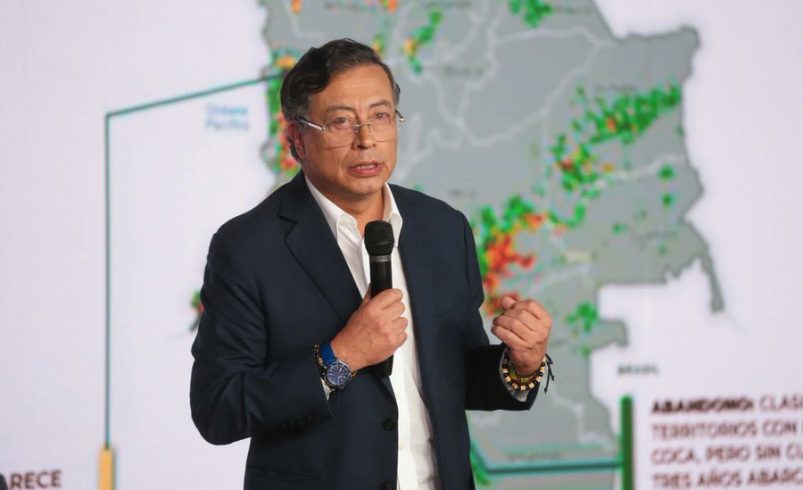
Government of Colombia, led by President Gustavo Petro, announced it will pursue legal and technical mechanisms to respond to Ecuador’s decision to impose a 30% tariff on Colombian products, a move it described as “illegal” and contrary to existing regional agreements.
The measure, labeled by Quito as a “security fee,” has heightened bilateral tensions and opened a new trade dispute between the two neighboring countries.
Colombia’s Ministry of Trade, Industry and Tourism warned that the tariff directly affects bilateral commerce and could trigger an immediate deterioration in economic relations between Colombia and Ecuador, two economies with deep commercial, productive and energy interdependence.
Trade Minister Diana Morales said the Colombian government has tools under its National Development Plan to respond proportionally if needed. “Colombia has instruments such as smart tariffs to ensure reciprocity and a level playing field in defense of national interests, which will be applied if necessary,” she stated.

At the same time, Morales emphasized that President Petro’s administration is prioritizing institutional and legal channels. Colombia plans to activate dispute-resolution mechanisms within the Andean Community of Nations.
“We will use all available legal avenues. Ecuador is a brotherly country and a key partner, and technical teams have maintained ongoing dialogue to seek mutually beneficial solutions,” she added.
Prospect of retaliatory measures gained traction after former finance and trade minister José Manuel Restrepo confirmed that Ecuador’s action violates the Cartagena Agreement.
According to Restrepo, the treaty does not allow punitive or sanction-based tariffs among member states. “This will lead to a legal claim. The agreement clearly prohibits this type of measure,” he said.
From a broader political perspective, acting Environment Minister Irene Vélez criticized what she called “tariff cannibalism and coercive international alliances” in today’s global politics.
Vélez warned that the erosion of multilateral treaties and disregard for international norms are weakening the global order and forcing Latin American countries to choose between submission and regional solidarity. In that context, she criticized Ecuador’s stance and urged deeper cooperation across the region.
Economic fallout of the so-called security fee has raised alarm among business groups. The Ecuadorian-Colombian Chamber of Commerce and Industry highlighted the high degree of economic interdependence between the two countries and cautioned that the tariff could negatively affect employment, competitiveness and access to strategic inputs on both sides of the border.
The chamber underscored the long-standing tradition of dialogue and regional integration that has defined bilateral relations and offered technical support to help preserve trade stability and avoid market distortions.
Political tensions also intensified after former Ecuadorian president Rafael Correa harshly criticized current President Daniel Noboa, calling the tariff a clear violation of Andean regulations and World Trade Organization rules. Correa argued that the unilateral increase is discriminatory and lacks legal justification.
Colombia’s National Business Council echoed calls for dialogue, stressing that Ecuador remains one of Colombia’s most important trading partners. In 2025, Colombian exports to Ecuador totaled more than USD 1.67 billion, supporting thousands of jobs.
Beyond trade, the council highlighted strong energy ties. During critical periods, Colombia has supplied up to 12% of Ecuador’s electricity demand, while importing more than USD 680 million annually in food and forestry products from Ecuador.
As President Petro’s government weighs its next steps, business leaders and officials alike insist that diplomacy and technical dialogue must prevail over confrontation. The outcome of the dispute will not only shape bilateral trade relations, but also test the future of regional economic integration.