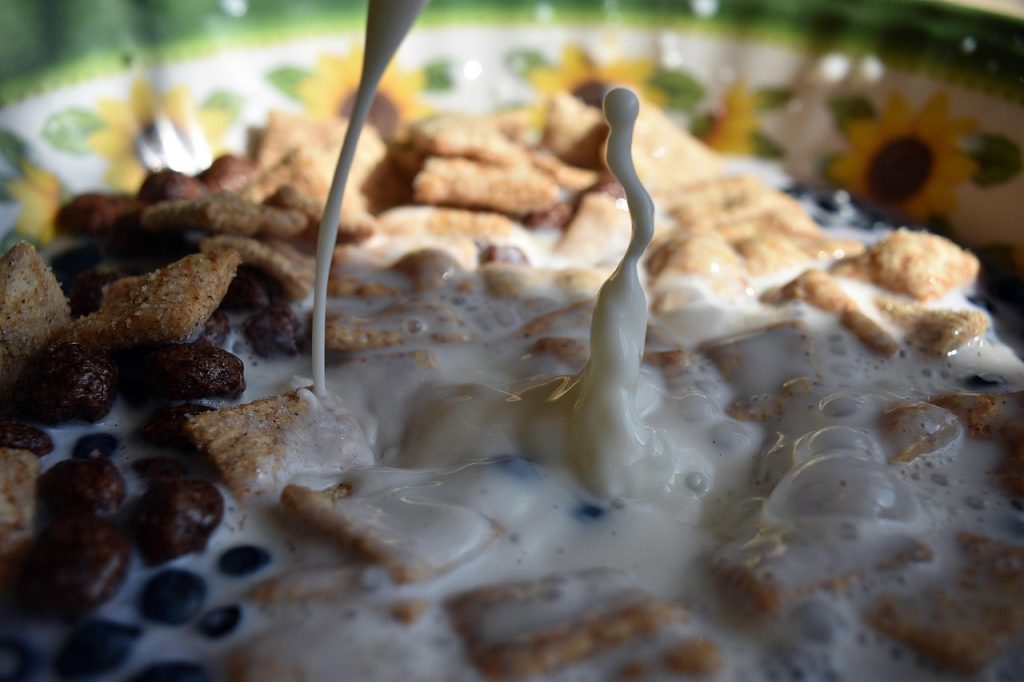
Europe Faces Alarm After Study Finds High Levels of “Forever Chemicals” in Breakfast Cereals
December 7, 2025
0
A new report reveals widespread contamination of EU breakfast cereals with trifluoroacetic acid, a persistent and toxic PFAS chemical, prompting urgent calls for stricter regulation.
A new study from PAN Europe has uncovered “high levels” of trifluoroacetic acid (TFA), a persistent and potentially harmful PFAS compound, in everyday breakfast cereals across the European Union.
Researchers warn that the contamination—found in a wide range of grain-based foods—poses a growing threat to public health and demands swift regulatory action.
“All people are exposed to TFA through multiple pathways, including food and drinking water. Our findings highlight the urgent need for an immediate ban on PFAS pesticides to prevent further contamination of the food chain,” said Salomé Roynel, policy officer at PAN Europe, in a statement.
PFAS—perfluoroalkyl and polyfluoroalkyl substances—are a vast family of nearly 4,000 synthetic chemicals known for their resistance to degradation.
Commonly called “forever chemicals,” they accumulate in the environment and the human body. PFAS are used in a wide range of products, including pesticides, flame retardants, refrigerants and industrial coatings.
Analysis conducted by PAN Europe reviewed 65 grain-based products purchased in 16 European countries, including Spain. The items tested ranged from breakfast cereals and popular sweets to pasta, croissants, whole-grain and refined breads, and flour.
The study concludes that “the most contaminated food is a typical breakfast cereal,” with average TFA concentrations 100 times higher than those found in tap water.
Overall, 81.5% of samples contained measurable levels of TFA. The highest concentration was found in whole-grain bread purchased in Belgium (340 µg/l), while the lowest was detected in cheese sold in Hungary (14 µg/kg). Toast bread showed average levels of 120 µg/l.
Italian pasta registered 26 µg per sample, though PAN Europe cautions that this may represent “only the tip of the iceberg” given that just one pasta product was analyzed.
Because TFA is highly water-soluble, it accumulates in soil and groundwater, where it is readily absorbed by plants. This could explain the high concentrations identified in bread, pasta and children’s biscuits.
What should be done?
“All samples exceeded the predetermined maximum residue limit. We cannot expose children to chemicals that are toxic for reproduction.
This requires immediate action,” the environmental organization stressed. PAN Europe is urging the European Commission and national governments to ban PFAS-based pesticides and to introduce systematic monitoring of TFA in food products.
Commission has already restricted certain PFAS in consumer goods such as pizza boxes and cosmetics, and plans to propose an updated version of the EU’s REACH chemical regulation in 2026.
TFA is a degradation product of PFAS pesticides and fluorinated gases. According to PAN Europe, it is “extremely persistent, mobile and toxic for reproduction.” Industry studies have linked TFA exposure to reduced sperm quality and adverse effects on thyroid, liver and immune function.