Grok: X’s push to democratize artificial intelligence sparks innovation and controversy
- December 11, 2024
- 0
X launched a free version of Grok, its artificial intelligence chatbot, as Musk fuels debate with images of Trump.

X launched a free version of Grok, its artificial intelligence chatbot, as Musk fuels debate with images of Trump.
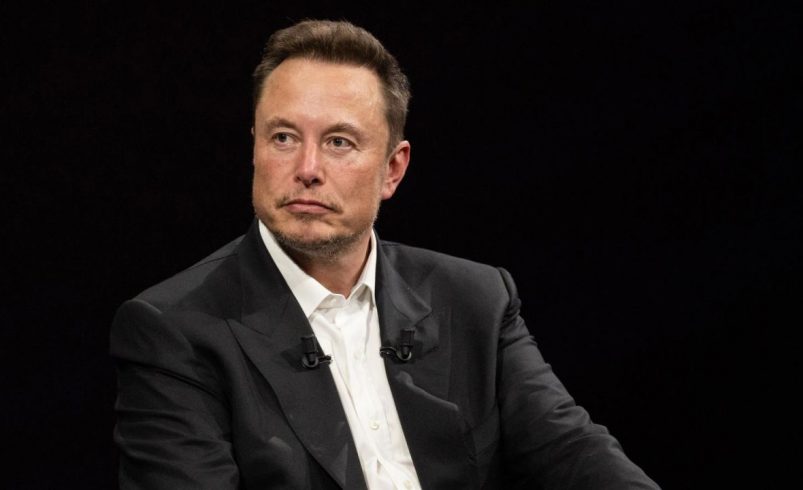
X or Twitter, owned by Elon Musk, is expanding its reach in the AI race by rolling out a free version of Grok, its generative artificial intelligence model. While the move broadens public access, it also comes with usage limits and stirs heated debates.
Grok, developed by xAI, Xcorp’s AI division, is a multimodal chatbot capable of handling text queries, images, diagrams, and charts. Powered by Grok-2 and Grok-2 mini, it supports coding, reasoning, and image generation tasks.
Initially available only to X Premium subscribers, the tool is now accessible for free in selected regions such as New Zealand, with a global rollout underway.
Free users can submit up to 10 queries every two hours and upload three images per day for analysis. Only Grok-2 is available, as the Grok-2 mini option was removed.
The chatbot can be accessed via the side menu on the web version and the bottom navigation bar on the mobile app. The company stated that the free tier is designed to make AI accessible to all, though the strict limits highlight the gap between free and paid accounts.
Alongside Grok, X briefly introduced Aurora, a new hyperrealistic image generator. Aurora appeared in beta under the “Grok 2 + Aurora (beta)” menu, but was quickly replaced by “Grok 2 + Flux (beta),” developed by Black Forest Labs.
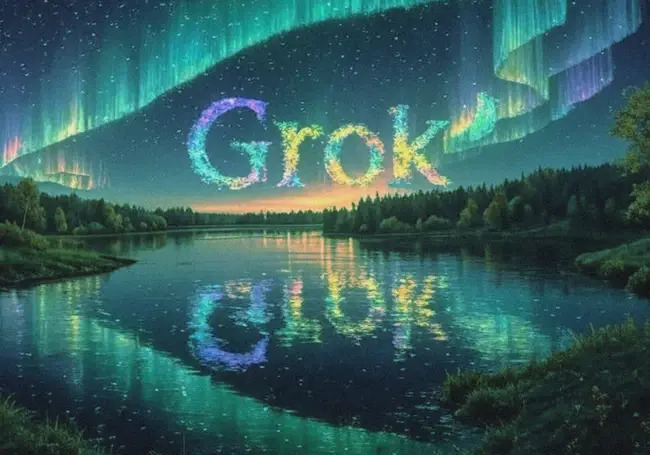
Aurora drew immediate attention for its ability to create high-quality photorealistic images, from landscapes to portraits of public figures. It even generated copyrighted characters like Disney’s Mickey Mouse, and depictions of personalities such as Elon Musk and U.S. president-elect Donald Trump.
Reacting to the viral posts, Elon Musk confirmed that Aurora is “an internal image generation system” still in beta, but promised it would “improve rapidly.”
Experts, however, have raised ethical and legal concerns about producing lifelike images of political figures, warning about the potential risks for public opinion and electoral processes.
The launch of Grok and Aurora underscores X or Twitter’s ambition to reposition itself as a major player in the global artificial intelligence race.
For some, this represents a milestone in democratizing AI access, while critics caution that the thin line between innovation and misinformation is becoming increasingly blurred.
Ultimately, the future of Grok and Aurora will depend on X’s ability to balance accessibility, safety, and oversight in an evolving digital landscape where AI-driven tools are both celebrated and scrutinized.