Italian investigation revives dark allegations of “war tourism” during the siege of Sarajevo
November 14, 2025
0
An investigation in Italy examines allegations of “human safaris” during the siege of Sarajevo, reviving the broader debate on the moral limits of war tourism.
A judicial investigation launched in Italy has reopened one of the darkest shadows of the 1990s: allegations of so-called “human safaris” during the siege of Sarajevo.
Although the events are still under judicial review and remain unconfirmed, the case has reignited a debate about the dehumanisation of war and its disturbing echoes in present-day conflicts.
According to Italian media, prosecutors in Milan are examining the possible involvement of Italian nationals in activities described as “human hunting” operations carried out during the Bosnian War.
The case stems from a complaint filed by writer Ezio Gavazzeni and lawyers Nicola Brígida and Guido Salvini, who submitted documents and testimonies they argue support the existence of such events.
If proven, the individuals could face charges of voluntary homicide with aggravating circumstances of cruelty. So far, prosecutors have identified at least five suspects, all men now between 65 and 82 years old.
The allegations resurfaced with greater intensity after Edin Subasic, a former Bosnian brigadier general and intelligence officer, stated that wealthy foreign nationals had taken part in such actions during the war.
Subasic noted that the Bosnian judiciary had previously received similar complaints, including one filed by then-mayor of Sarajevo, Benjamina Karic.
The controversy is reminiscent of the 2022 documentary Sarajevo Safari, directed by Slovenian filmmaker Miran Zupancic, which explored the alleged presence of “war tourists” in sniper positions.
The film stirred public outcry by presenting testimonies and materials hinting at foreign participation in violence. However, even then, no judicial authority confirmed the events.
The historical context helps explain why these allegations are so troubling. The siege of Sarajevo, which lasted nearly four years, claimed more than 10,000 civilian lives.
Within this landscape, the alleged “human safaris” represent an extreme form of what some scholars call “war tourism” —a term that encompasses the presence of foreigners in conflict zones as observers, volunteers, or, as the allegations suggest, participants in violence.
What actions will Italy take?
Investigators are analysing whether a small group of individuals —whose identities remain undisclosed— may have travelled from Italyto Bosnia to occupy positions held by Bosnian Serb forces and shoot at civilians trapped inside the besieged city.
While Italian prosecutors stress that the investigation is in its early stages and no accusation has been proven, the case raises profound questions about the boundary between curiosity and the exploitation of suffering.
Authorities in Italy are also analysing whether some of the suspects had links to far-right groups in the 1990s. According to the documents submitted, several of them may have expressed sympathies for neo-fascist movements that politically supported Bosnian Serb forces during the war.
At this stage, however, these connections remain speculative and are not backed by judicial confirmation.
From Vietnam to the demilitarised zone on the Korean peninsula, battlefields and frontlines have long attracted visitors. Some experiences fall within legal and historical tourism, while others drift into ethically troubling territory. Although the alleged “human safaris” are their most extreme form —and remain allegations— similar concerns persist today.
War tourism
Recent international reports have documented the emergence of what critics call “war tourism” near the Gaza Strip. Crowds, largely composed of Israeli citizens but also including foreign visitors, gather on hilltops to watch bombardments from a distance.
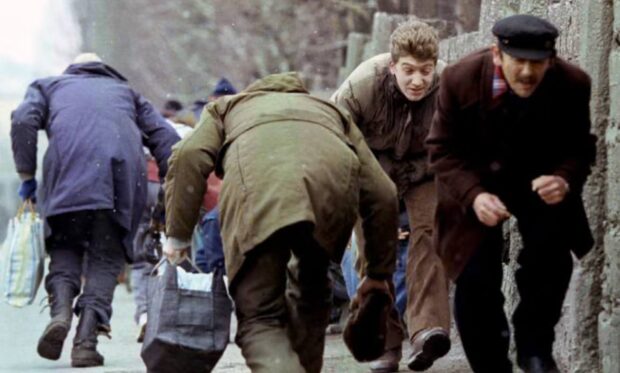
One of its most infamous symbols was “Sniper Alley,” a central city boulevard where residents risked death just to carry out daily activities. Reports from the United Nations and humanitarian organisations documented that some snipers deliberately targeted civilians, including children.
Three decades after the horrors endured in Sarajevo, the investigation launched in Italy is forcing Europe once again to confront unsettling questions. Whether the allegations are ultimately confirmed is something the courts will determine.
But the debate they have already provoked —about humanity’s capacity to turn pain into spectacle— shows that the past still casts long shadows over the present.