Mexico moves toward a 40-hour workweek as Senate approves reform backed by Sheinbaum
- February 12, 2026
- 0
The Senate approved reducing the Workday in Mexico to 40 hours a week, with gradual implementation between 2027 and 2030.

The Senate approved reducing the Workday in Mexico to 40 hours a week, with gradual implementation between 2027 and 2030.
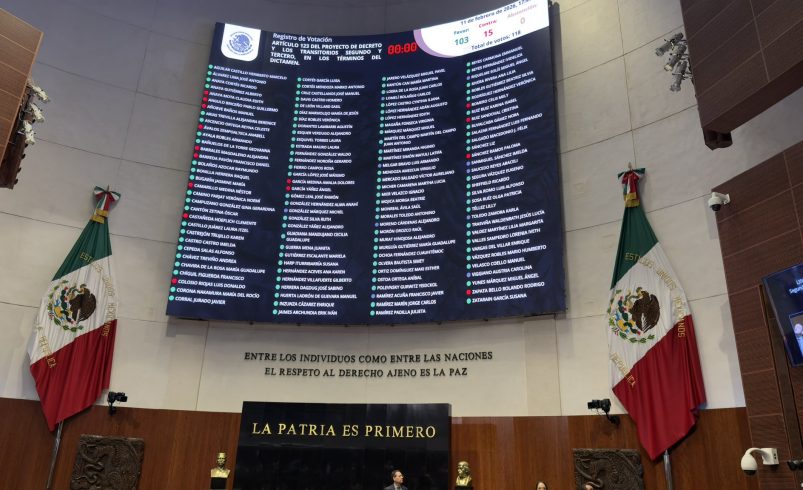
The Mexican Senate approved a major constitutional reform that will reduce the Workday in Mexico from 48 to 40 hours per week.
The amendment, promoted by President Sheinbaum, passed unanimously in general terms and by majority vote in the specific articles. The proposal now moves to the Chamber of Deputies for further consideration.
Lawmakers amended Article 123 of the Constitution to establish a gradual reduction of working hours between 2027 and 2030. The measure introduces a structural shift in Mexico’s labor framework and will affect both workers and employers nationwide.

In the general vote, the reform received 121 votes in favor, reflecting broad cross-party support. In the specific vote, it passed with 103 votes in favor and 15 against, mainly from PRI and Movimiento Ciudadano senators.
The approved text preserves the central elements of the original proposal. It explicitly states that the reduction in weekly hours will not result in lower wages or reduced labor benefits, a guarantee repeatedly emphasized by the ruling coalition.
The reform establishes a phased implementation plan:
Supporters argue that this gradual approach will allow businesses to adapt without causing sudden disruptions, particularly in labor-intensive sectors.
One of the most debated issues involved rest days. The current legal framework provides one day of rest for every six days worked. Some lawmakers proposed enshrining two mandatory rest days for every five days worked directly in the Constitution.
However, the Senate rejected amendments to include that provision. The chamber also approved increasing the weekly overtime limit from nine to 12 hours. This change sparked disagreement, as opposition lawmakers called for clearer safeguards against excessive workloads.

Members of the majority responded that detailed rules regarding rest days and overtime limits can be addressed in secondary legislation.
Although the reform passed unanimously in general terms, debate revealed significant differences. Senators from the ruling Morena party and its allies described the measure as a historic expansion of labor rights and argued that it will improve quality of life without harming income.
Opposition lawmakers supported the goal of a 40-hour Workday but criticized the delayed implementation. They also raised concerns about the expanded overtime limit.
Movimiento Ciudadano advocated for immediate enforcement without a transition period. The PRI proposed maintaining the current nine-hour overtime cap and explicitly defining rest-day provisions. None of these proposals altered the final text.
Workers in Mexico average more than 2,100 hours per year, one of the highest figures among OECD countries. Approximately 27% of employed people work more than 48 hours per week.
The administration of Sheinbaum revived the proposal after previous attempts stalled in earlier legislatures. The Labor Ministry engaged business leaders, unions, and lawmakers in discussions to shape the final draft.
Proponents argue that reducing the Workday can enhance productivity, lower stress levels, and promote work-life balance. Business representatives have called for complementary measures to ease the transition and ensure competitiveness.