Personalized Cancer Vaccines: clinical trials in Europe signal a new era in medicine
- June 4, 2024
- 0
Thousands of patients across Europe are joining clinical trials for mRNA vaccines against cancer, promising safer and more effective treatments.

Thousands of patients across Europe are joining clinical trials for mRNA vaccines against cancer, promising safer and more effective treatments.
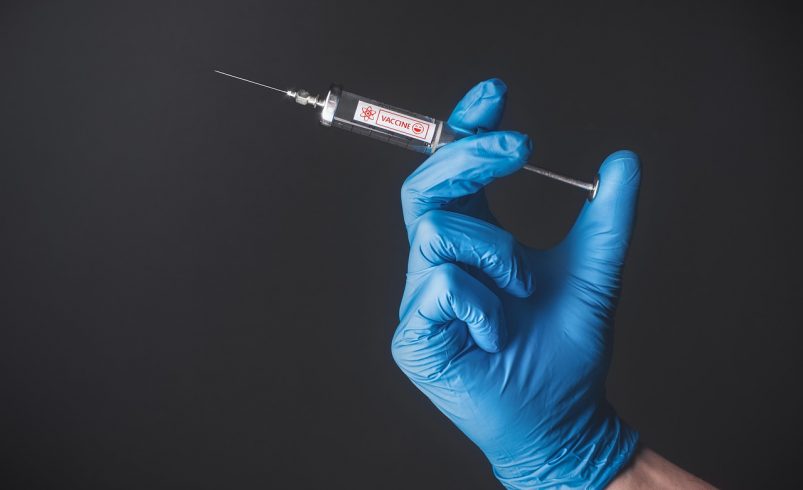
A new horizon is emerging in cancer medicine: personalized vaccines against cancer are now being tested across Europe, offering fresh hope to thousands of patients.
The United Kingdom, Spain, Germany, Belgium, and Sweden have already joined clinical trials that rely on mRNA technology—the same platform used during the COVID-19 pandemic.
The Cancer Vaccine Launch Platform is linking patients with studies in 30 UK hospitals. This system is designed to fast-track access to groundbreaking treatments, with each dose created based on the genetic profile of the patient’s tumor.
One of the first participants, Elliot from Birmingham, had already undergone surgery and chemotherapy when doctors found fragments of cancer DNA in his blood. Fearing relapse, he enrolled in a BioNTech clinical trial. The German company analyzed his tumor sample and identified up to 20 unique mutations. With this data, researchers designed an mRNA vaccine that instructs his cells to produce abnormal proteins exclusive to his cancer, allowing his immune system to recognize and destroy them.
“I’m excited,” Elliot said. “If this trial succeeds, it could help thousands, if not millions, of people. It gives us hope.”

The logic of these vaccines is powerful: they work like a “wanted poster,” unmasking cancer cells that often hide after conventional treatments. By doing so, they aim to reduce the risk of relapse and improve long-term survival rates.
Dr. Victoria Kunene, lead researcher at Queen Elizabeth Hospital, told the BBC: “This feels like a new era. The science behind it makes sense. My hope is that this becomes the standard of care in the future.”
Still, optimism comes with caution. These vaccines remain experimental, and trials are expected to run until 2027. For now, they are only available to clinical trial participants. Researchers also expect that they may cause fewer side effects than traditional chemotherapy.
The NHS has hailed this progress as a “historic moment.” Peter Johnson, National Clinical Director for Cancer, explained: “Even after a successful operation, cancer can sometimes return. Using a vaccine to target the remaining cells may be the key to preventing that.”
Meanwhile, companies like Moderna and BioNTech are expanding trials to target other tumors, including melanoma, lung, breast, and bladder cancer. Just last month, a London patient received a personalized mRNA vaccine against melanoma, developed using the same technology as COVID vaccines.
If these vaccines prove effective, the impact could be transformative: the fight against cancer in Europe and beyond could enter an entirely new phase, with treatments tailored to each patient and new hope for millions worldwide.