Rebels topple Assad in Syria, reshaping the Middle East
- December 9, 2024
- 0
A lightning offensive by rebels ends Assad’s rule in Syria, leaving a power vacuum and raising major questions for the Middle East.

A lightning offensive by rebels ends Assad’s rule in Syria, leaving a power vacuum and raising major questions for the Middle East.

Bashar al-Assad’s grip on Syria collapsed Sunday as rebel forces swept through the country, ending five decades of Assad family rule.
Offensive, led by Islamist group Hayat Tahrir al-Sham (HTS), marks a sudden turn in the conflict after more than a decade of civil war.
Regime’s fall raises major questions about the future of Syria, internal political restructuring, and the balance of power in the Middle East, as rebels prepare to form a new government while international actors closely monitor developments.
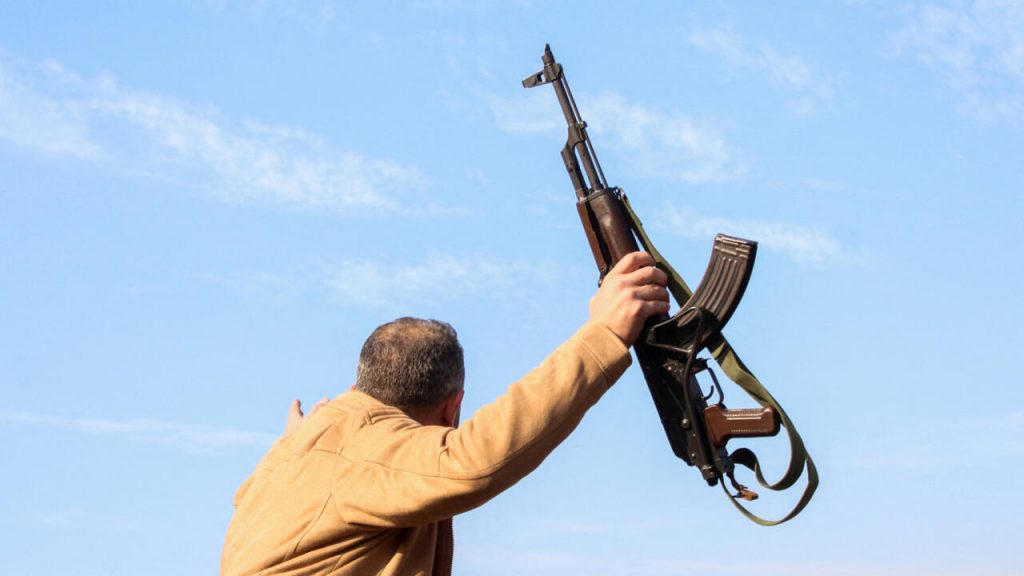
On November 27, HTS, backed by Turkey, launched attacks from Idlib toward regime-held Aleppo. The Syrian government responded with airstrikes, leaving at least 141 dead in a single day.
The next day, rebels cut the highway linking Damascus and Aleppo and captured three key towns, with over 200 casualties, including a general from Iran’s Revolutionary Guard.
By November 29, insurgents were at Aleppo’s outskirts after taking more than 50 northern towns, while Syrian and Russian forces retaliated in Idlib. By November 30, Aleppo was largely in rebel hands, including the airport and government buildings, along with the strategic city of Saraqeb.
December 1 marked the first time since 2011 that Aleppo was completely outside regime control. Russia and Iran reaffirmed their support for Damascus as joint airstrikes targeted rebel positions in the northwest.
Between December 5 and 7, rebels captured Hama and Homs, freed thousands of prisoners, and toppled symbols of Assad’s rule, including a statue of Hafez al-Assad in Hama.
During the night of December 7–8, HTS forces entered Damascus, took control of Sednaya prison, and just hours later, Bashar al-Assad fled the country by plane.