Singapore embraces green tourism with therapeutic gardens for mental health
- January 31, 2025
- 0
With scientifically designed therapeutic gardens, Singapore combines tourism, mental health, and the environment, setting global standards.

With scientifically designed therapeutic gardens, Singapore combines tourism, mental health, and the environment, setting global standards.
In a world where mental health is gaining unprecedented importance, Singapore has taken an innovative step by merging wellness, science, and tourism.
Internationally renowned for its urban planning and sustainability, the city-state has developed therapeutic gardens that not only enrich the urban environment but also attract visitors seeking meaningful experiences.
Currently, 16 such gardens exist, with a goal of reaching 30 by 2030. Each one is designed with scientific input to improve quality of life and redefine tourism as a tool for both leisure and emotional well-being.
A 2022 study conducted by researchers from Singapore, Japan, and Poland found that therapeutic gardens like HortPark fostered healthier brain activity compared to conventional urban spaces.
These environments proved ideal for reducing stress and improving focus, benefiting individuals with conditions such as anxiety, autism, ADHD, or dementia.
Unlike traditional green spaces, these gardens are evidence-based in their design. Psychologists and neuroscientists collaborated to create multisensory environments that regulate emotions through visual, auditory, tactile, and olfactory cues.
Singapore’s National Parks Board (NPB) highlights features such as ultraviolet light mazes that store solar energy during the day and glow softly at night. Horticulture zones invite visitors to plant herbs and water flowers, activities shown to boost immunity and improve mood.
Research at HortPark revealed that these environments not only enhance emotional regulation but also reduce physical inflammation, underlining their holistic health benefits.
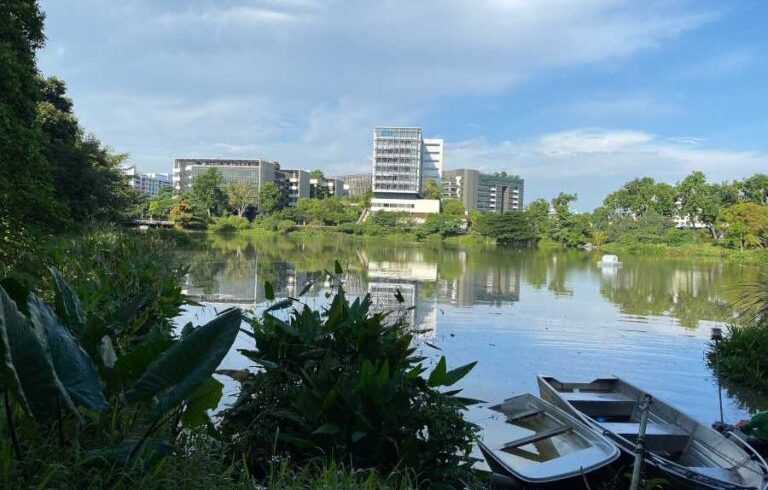
Accessibility is a cornerstone of this initiative. The gardens are designed to meet the needs of people with diverse physical and cognitive abilities. At Jurong Lake Gardens, children on the neurodiverse spectrum can enjoy safe sensory pathways, while seniors with dementia find memory-evoking decorations such as vintage toys and photographs.
Sembawang Park features forest classrooms where children can listen to birdsong and engage in herb collection, stimulating coordination and sensory development. At Punggol Park, the world’s first wheelchair obstacle course sets a new benchmark in inclusive design.
These projects align with Singapore’s long-standing strategy of eco-friendly tourism. Iconic attractions like Gardens by the Bay, the National Orchid Garden, and the Night Safari already showcase the nation’s commitment to innovation and the environment.

While therapeutic gardens may not rival these landmarks in visitor numbers, they diversify the tourism offering by appealing to travelers seeking restorative, health-oriented experiences. Covering between 0.06 and 0.6 hectares, the gardens blend seamlessly into neighborhoods and city hubs.
Among the standout locations are:
By investing in these spaces, Singapore is positioning itself as a global leader in green tourism, where the synergy of the environment and mental health creates a blueprint for sustainable urban well-being