Spain: Falling Mortgage Prices and Support for Young Homebuyers
- April 19, 2024
- 0
In Spain, housing remains the most important asset for families, but young people are facing a sharp decline in ownership of their main homes.

In Spain, housing remains the most important asset for families, but young people are facing a sharp decline in ownership of their main homes.
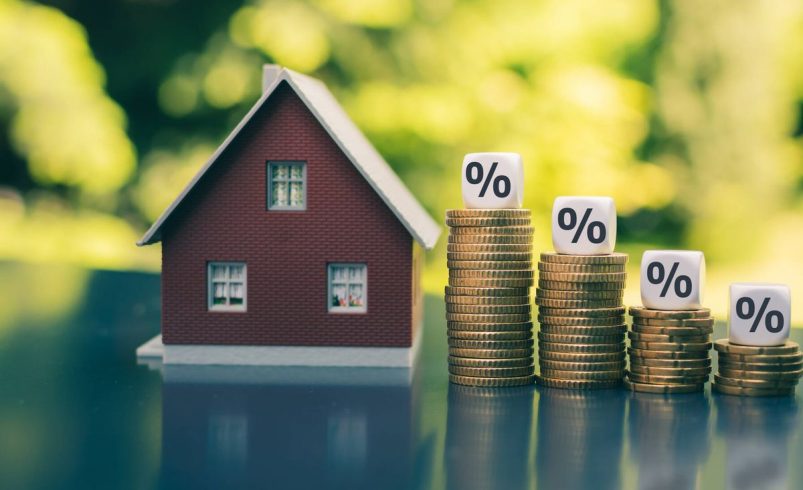
In Spain, housing remains the most important asset for families, but young people are facing a sharp decline in ownership of their main homes. According to the latest Financial Survey of Households by the Bank of Spain, only 31.8% of young people own their housing, compared to over 70% of all households.
This drop reflects growing challenges in accessing homeownership and accumulating wealth among younger generations.
Overall, nearly all families in Spain hold some type of asset, whether financial or real estate, with housing representing the largest share of family wealth.
Housing continues to be the core of real assets, followed by other properties and businesses linked to self-employment. However, for young people, limited access to property indicates a future vulnerability in terms of wealth and economic security.
Between 2020 and 2022, ownership of the main housing showed a slight decline overall. Property ownership tends to increase with income and age, reaching its peak among households headed by someone over 74 years old.
The median value of main housing also rises with income and is highest in households where the head of the family is between 65 and 74. The Bank of Spain warns that the ongoing drop in ownership among young people could deepen inequalities in the future.
Net family wealth in Spain grew moderately in recent years, but not everyone benefited equally. Households with lower incomes, younger families, and those headed by self-employed individuals experienced declines in their assets.
Although wealth concentration among the richest groups slightly decreased, inequality remains an important factor in the distribution of assets in Spain.
Financial assets account for a smaller portion of household wealth compared to housing and other properties. Most families keep savings in bank accounts, pension plans, and investment funds, while only a small percentage hold stocks, bonds, or cryptocurrencies.
Household debt in Spain remains manageable, with most families allocating a moderate share of their income to repayments. The majority of debt is tied to acquiring the main housing, though other properties and personal loans also contribute. For the most vulnerable households, debt represents an additional challenge to accessing property and maintaining financial stability.
In summary, the Bank of Spain survey shows that housing continues to be the primary asset for families but highlights growing difficulties for young people trying to enter the market. Despite moderate growth in wealth and a slight reduction in inequality, structural challenges persist, especially for low-income households, self-employed workers, and first-time homebuyers. The future of homeownership in Spain will largely depend on policies that support young people and improve access to housing.